

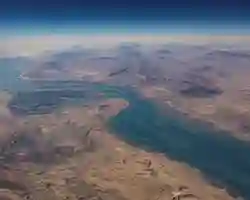
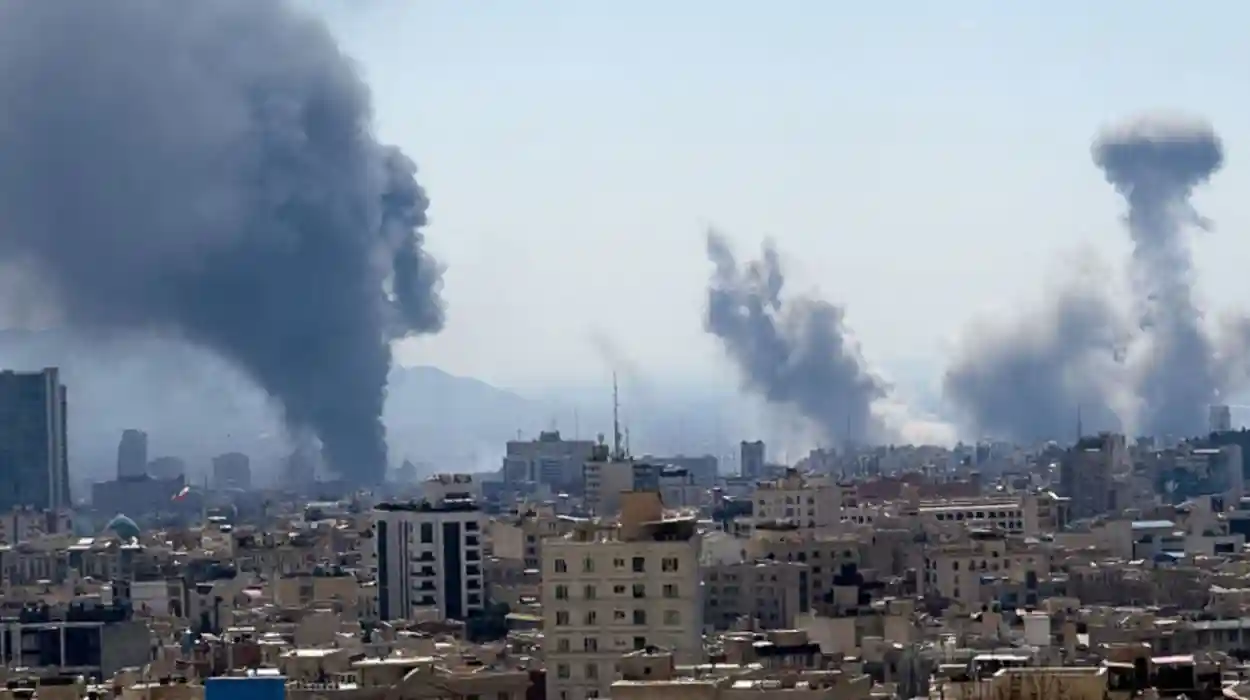
Tensions in the Middle East have escalated as Iran reaffirmed its decision not to reopen the Strait of Hormuz while a naval blockade imposed by the United States Navy remains in effect, despite an extended ceasefire.
The situation intensified after Iran announced the seizure of two vessels attempting to pass through the vital shipping route, a narrow corridor responsible for nearly one fifth of global oil transport. The Iranian Revolutionary Guards said the ships were intercepted for violating restrictions, underscoring Tehran’s firm stance amid ongoing tensions.
At the same time, the US Central Command confirmed it had redirected dozens of vessels, instructing at least 31 ships to turn back or return to port as part of its blockade strategy aimed at increasing pressure on Iran.
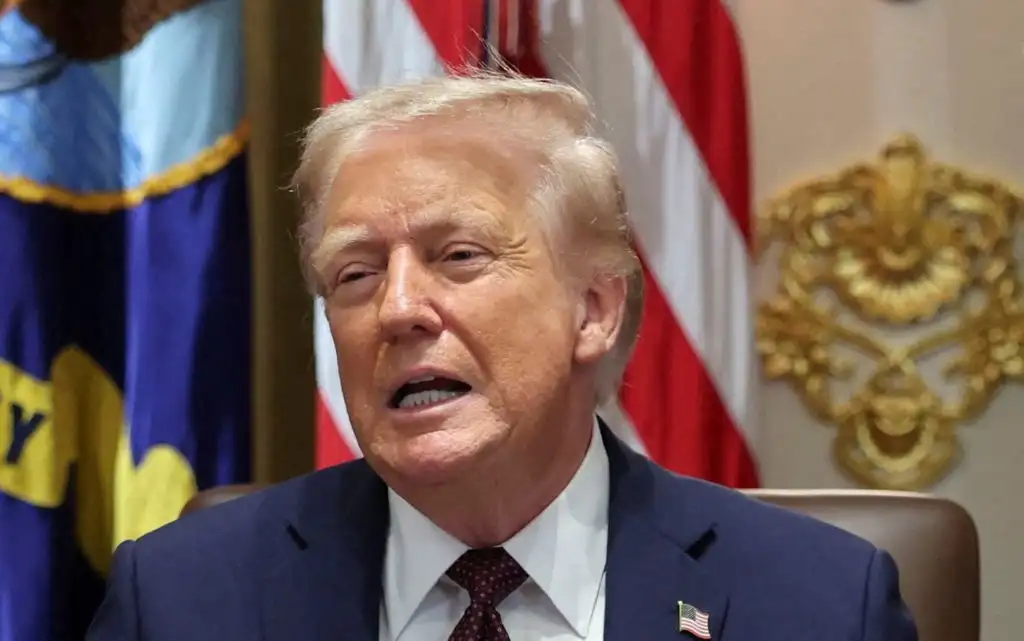
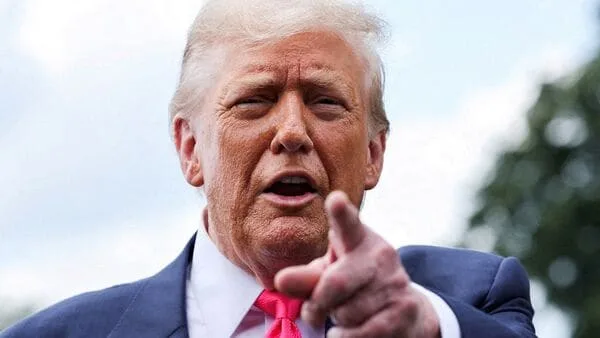
Donald Trump, who announced an extension of the ceasefire, said the move was intended to allow room for diplomatic negotiations reportedly being facilitated by Pakistan. However, Iran has not formally confirmed its participation in the proposed talks.
Iranian parliament speaker Mohammad Bagher Ghalibaf stated that reopening the Strait of Hormuz would only be possible if the ceasefire is fully respected, including the removal of the naval blockade. He argued that the continued restriction of maritime access undermines the meaning of any truce.
The standoff has already had global economic implications, with oil prices briefly surging. Benchmark crude prices jumped by more than three percent before ilizing, reflecting market concerns over disruptions to energy supply.
Meanwhile, conflicting narratives have emerged from both sides. Trump claimed Iran had halted planned executions of detained protesters at his request, an assertion Iran’s judiciary dismissed as false.
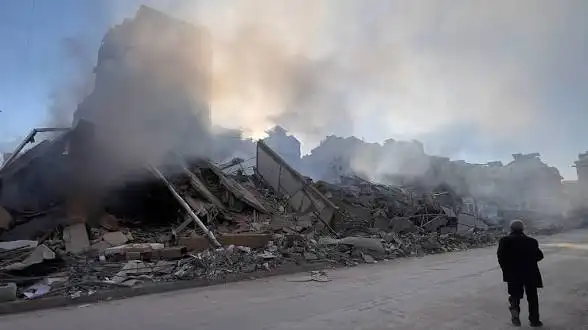
The crisis extends beyond the Gulf, with renewed violence reported in Lebanon despite a separate ceasefire involving Hezbollah and Israel. Casualties were reported following fresh strikes, highlighting the fragile nature of the truce.
As diplomatic efforts continue, global attention remains fixed on the Strait of Hormuz, a critical chokepoint whose closure could have far reaching consequences for international trade and energy markets.













Leave a comment