
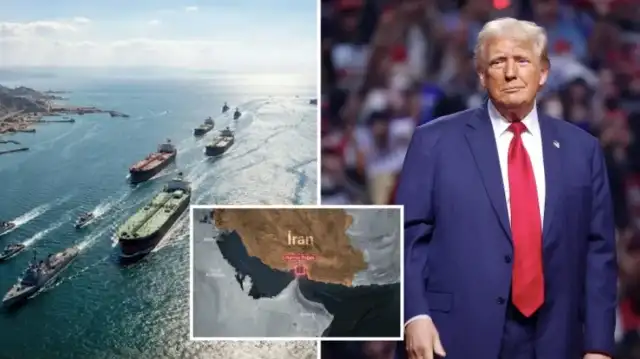
Diplomatic tensions between Iran and the United States escalated sharply this weekend as Tehran’s chief negotiator declared that the Islamic Republic will not trust Washington or accept any agreement that fails to fully protect Iranian interests. The warning from Mohammad Bagher Ghalibaf comes amid reports that President Donald Trump has sent a harder line proposal back to Iran, further complicating efforts to end the Middle East conflict and reopen the strategically vital Strait of Hormuz after weeks of difficult negotiations punctuated by violence and inflammatory rhetoric.
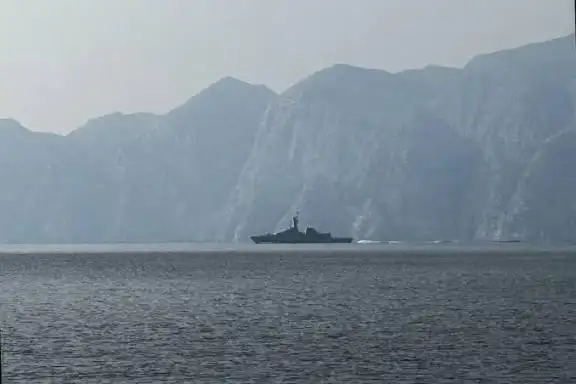
Adding to the volatility, Iran’s state broadcaster IRIB reported that Revolutionary Guards had shot down a US military drone allegedly approaching Iranian territorial waters, though Washington has yet to confirm the incident. The alleged downing underscores the fragile nature of the current ceasefire and the continued potential for military escalation even as diplomats work to find common ground. Any modifications to the draft agreement could significantly delay a comprehensive deal to formally conclude hostilities and restore freedom of navigation through one of the world’s most critical shipping chokepoints.
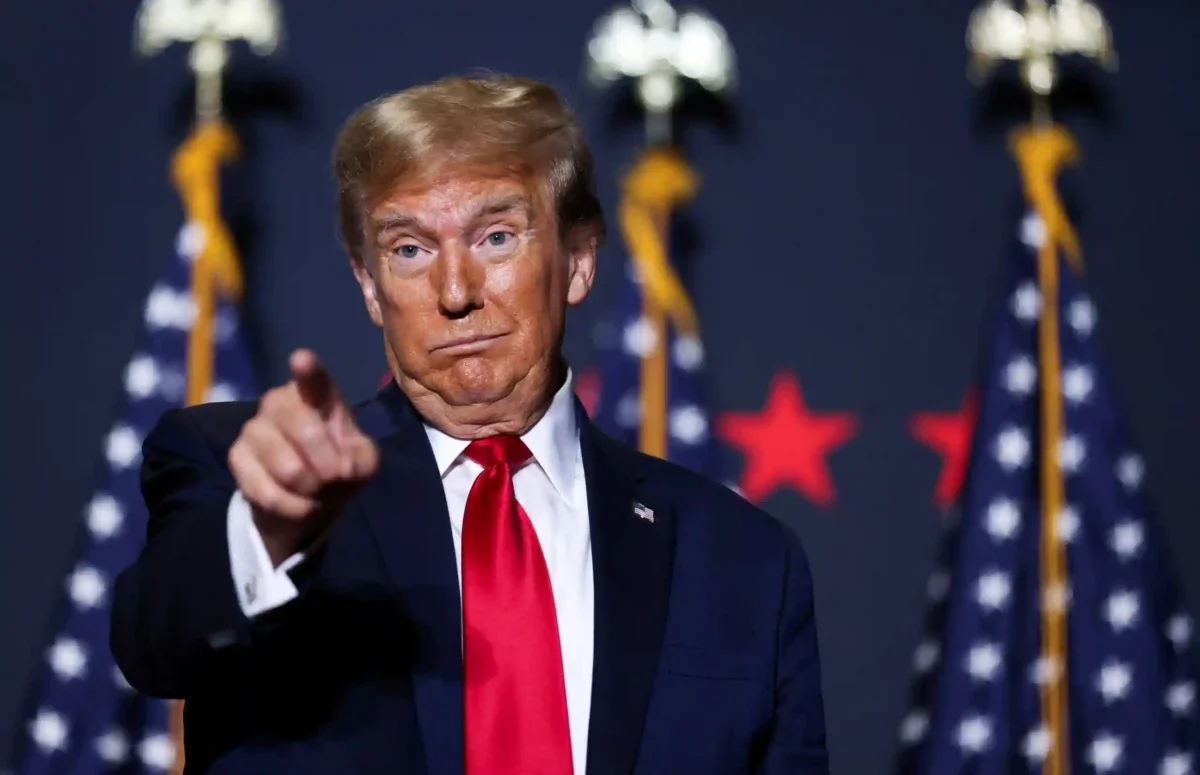
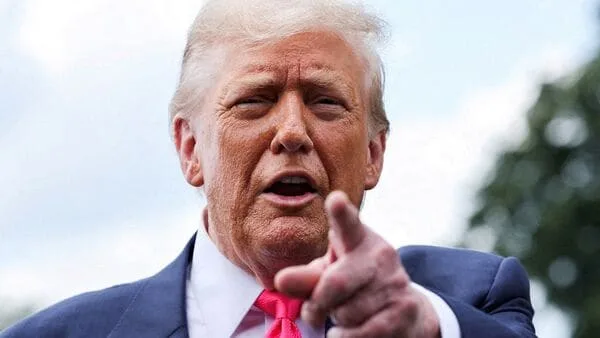
According to reporting from The New York Times and Axios, Trump transmitted a revised framework featuring tougher conditions for Iran to consider, though specific details of the amendments remain undisclosed. Speaking in an interview with his daughter in law Lara Trump on Fox News, the president emphasized his non negotiable demand that Iran abandon any nuclear weapons ambitions. “The one guarantee that I have to have is that there will be no nuclear weapons. They’ve agreed to that, and it was very interesting,” Trump stated. His priorities center on preventing nuclear proliferation and reopening the Hormuz shipping lane, which Iran has blockaded since hostilities commenced.
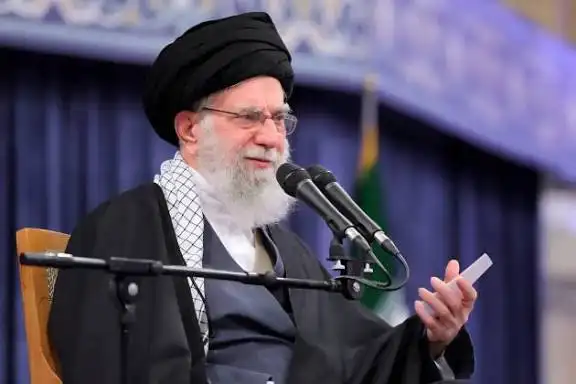
Tehran, however, sharply disputes Trump’s characterization of the negotiations and maintains a fundamentally different position on several critical issues. “We will not approve any agreement until we are certain that the rights of the Iranian people have been upheld,” Ghalibaf said in a video statement broadcast on state television. Iranian Foreign Minister Abbas Araghchi urged caution about premature conclusions, telling state media that “until a clear conclusion is reached, everything that is being said now is speculation.” Iran has insisted on the release of $12 billion in frozen assets as a precondition for substantive nuclear talks and has dismissed Trump’s suggestions about destroying its enriched uranium stockpile as baseless.
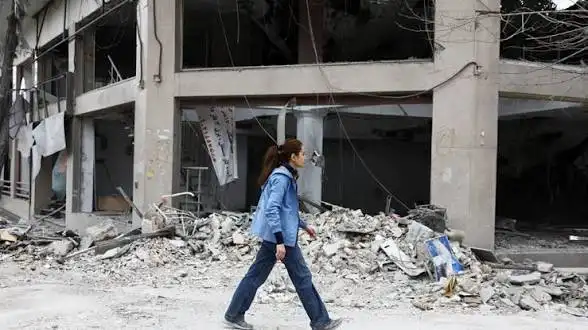
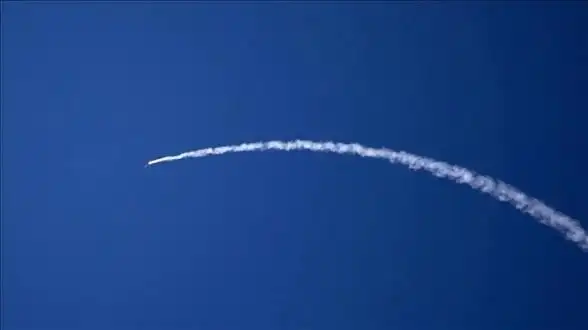
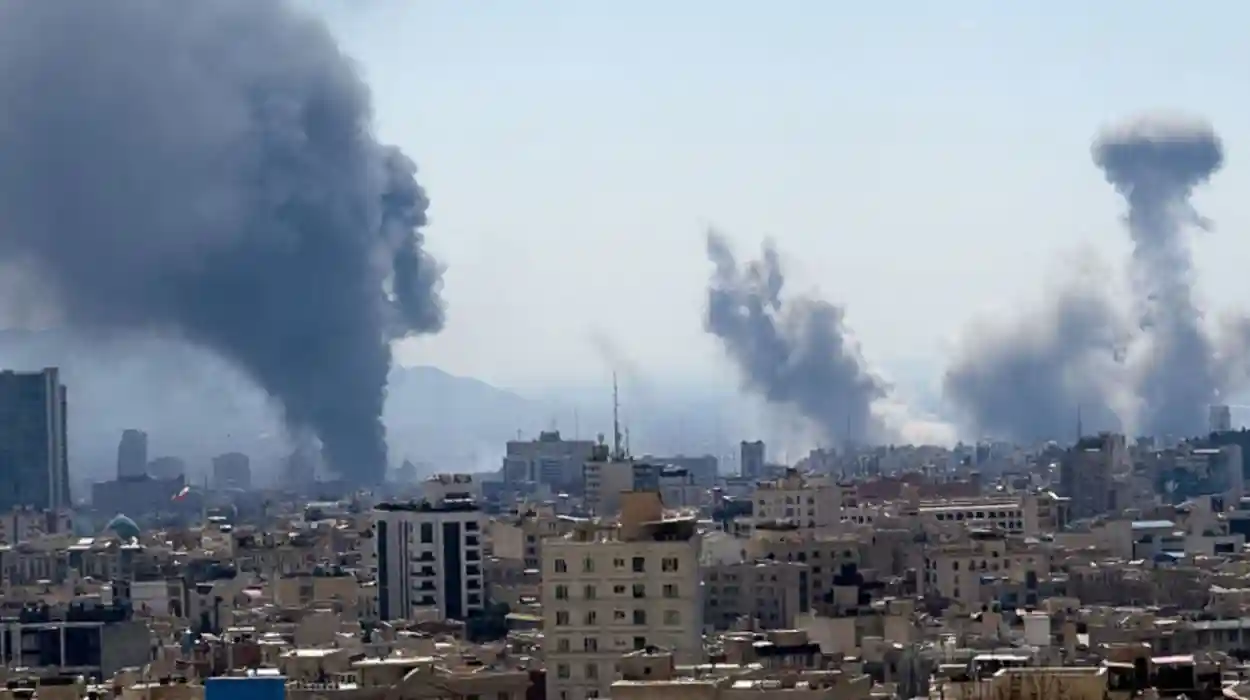
Behind the diplomatic maneuvering lies a complex military reality shaped by months of conflict. One of Washington’s stated objectives was dismantling Iran’s ballistic missile capabilities, with General Dan Caine, the top US military officer, estimating in April that American and Israeli strikes had destroyed more than 80 percent of Iranian missile facilities. Yet satellite imagery analysis reported by CNN reveals Tehran has since managed to excavate 50 out of 69 tunnel entrances that were damaged at 18 underground missile sites, suggesting the program’s resilience despite extensive ing campaigns. While the temporary ceasefire agreed in April halted the daily barrage of strikes across Iran and the Gulf region, sporadic s continue to threaten the fragile pause in hostilities.
As negotiations continue with both sides regularly proposing amendments according to Iran’s Tasnim news agency, pressure mounts on Trump to broker a comprehensive settlement that would lift the competing American and Iranian blockades choking commerce through the Strait of Hormuz. Whether Tehran and Washington can bridge their substantial differences on nuclear enrichment, sanctions relief, missile programs, and regional security guarantees remains deeply uncertain. What is clear is that any path to a durable agreement will require significant compromises from both capitals, concessions that domestic politics and national pride may make extremely difficult to deliver in the weeks ahead.




Leave a comment