

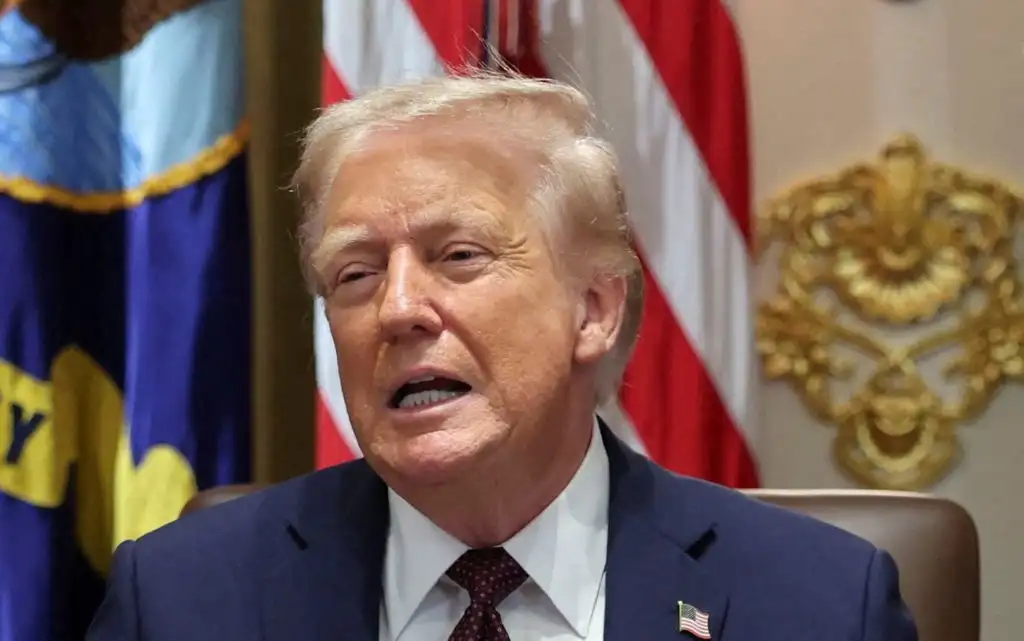
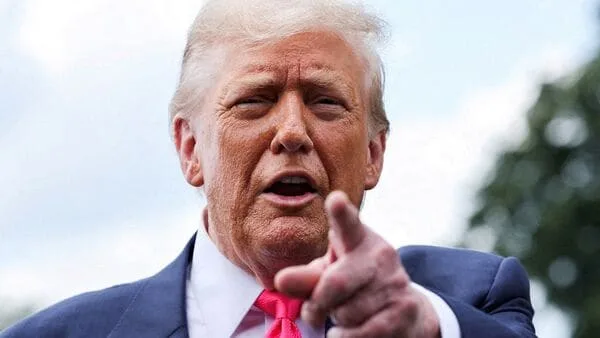
US President Donald Trump unleashed a blistering on America’s European allies during the NATO summit in Ankara, declaring he was “very upset” with the military alliance and insisting the United States has been treated unfairly by partner nations. Speaking at the high stakes gathering in Turkey’s capital, Trump aired grievances about longstanding defense spending imbalances and accused several European countries of blocking American military access during critical operations against Iran.
The president’s remarks represent his most direct confrontation with NATO allies since returning to office, reviving tensions that have simmered throughout his political career. Trump specifically called out European nations for refusing to grant US forces access to their airspace and military bases during recent operations related to the Iran conflict, a claim that underscores deeper fractures within the transatlantic alliance. His comments drew immediate concern from defense analysts who warn that public discord among NATO members could embolden adversaries and undermine collective security arrangements that have anchored Western defense policy for more than seven decades.

Defense spending disparities have long been a source of friction within NATO, with the United States shouldering roughly 70 percent of total alliance military expenditures despite representing only about half of combined NATO economies. Trump has repeatedly demanded that European allies meet the agreed upon target of spending at least two percent of their gross domestic product on defense, a benchmark many members have historically failed to achieve. While several nations have increased their defense budgets in recent years, particularly following Russia’s invasion of Ukraine, the pace of growth has failed to satisfy American demands for greater burden sharing.
European diplomats at the summit pushed back against Trump’s characterization, noting that alliance members have contributed substantial resources to joint operations and made significant progress toward meeting spending commitments. Several officials speaking on background pointed to increased troop deployments in Eastern Europe, enhanced intelligence sharing, and billions in military aid to Ukraine as evidence of European commitment to collective defense. Yet Trump’s willingness to air these complaints so publicly reflects a fundamental disagreement about the value and purpose of the NATO alliance itself.
Military strategists warn that Trump’s confrontational approach risks weakening deterrence against potential adversaries at a particularly volatile moment. With ongoing conflicts in the Middle East, continued Russian aggression in Ukraine, and rising tensions in the Indo Pacific region, experts argue that NATO unity remains essential to maintaining global ility. Any perception of division among member states could invite miscalculation by adversaries who might test alliance resolve through limited provocations or territorial incursions. Intelligence assessments suggest that both Russia and China closely monitor signs of discord within Western alliances to identify potential vulnerabilities.
Looking ahead, Trump’s comments set the stage for difficult negotiations over defense commitments, command structures, and burden sharing formulas that will dominate alliance discussions in coming months. European leaders face mounting domestic pressure to justify increased military spending amid competing demands for social programs and infrastructure investment, while American policymakers grow increasingly skeptical about open ended security commitments overseas. Whether NATO can bridge these differences or fracture under the weight of diverging strategic priorities may well determine the future of transatlantic security cooperation for generations to come.













Leave a comment