

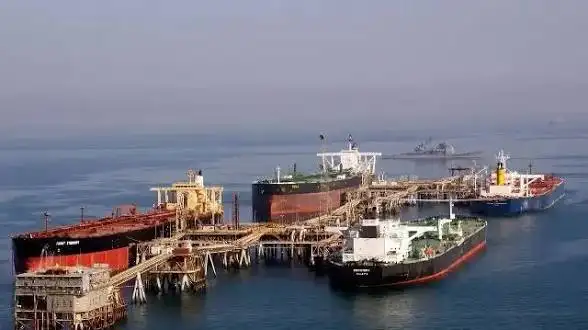
Iraqi oil exports have been disrupted as tanker movements near key terminals faced growing maritime concerns linked to rising tensions in the Persian Gulf. Shipping operators and energy officials report that several vessels scheduled to load crude from Iraqi ports have altered their routes or delayed departures as security conditions in surrounding waters continue to evolve. The disruption has created uncertainty for global energy markets that rely heavily on steady flows of oil from the region.
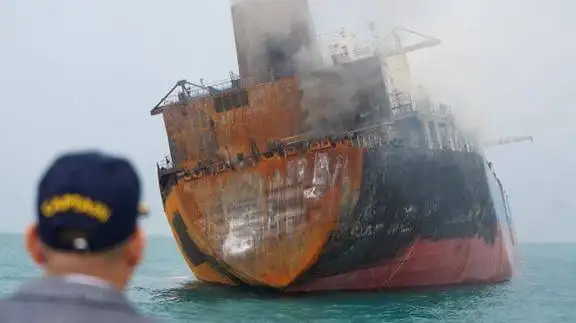
Officials connected to Iraq’s energy sector said that some tanker operators temporarily withdrew vessels from loading schedules due to safety concerns raised by maritime incidents in nearby shipping lanes. While export infrastructure at major Iraqi terminals remains operational, the hesitation from commercial shipping companies has slowed the normal pace of deliveries. Industry observers say the situation illustrates how regional tensions can influence commercial decisions even when physical facilities remain intact.
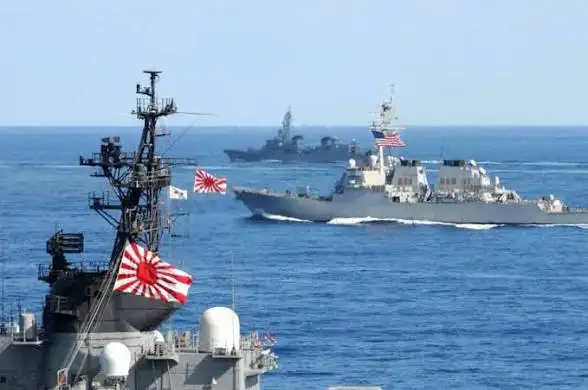
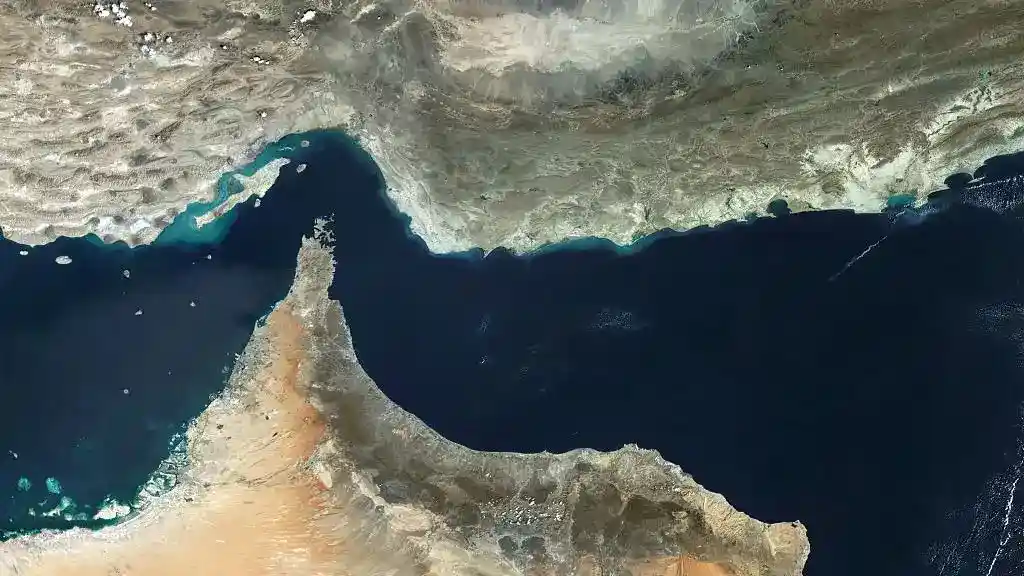
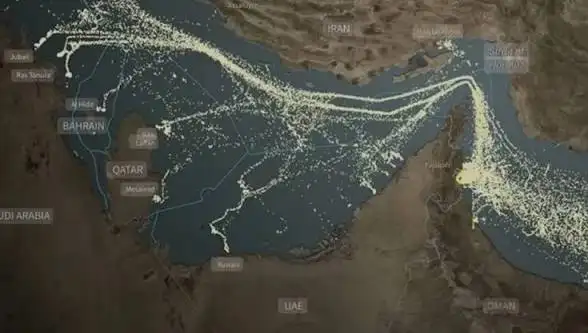
The Gulf region serves as a critical gateway for oil shipments traveling from Middle Eastern producers to international buyers. Iraq is among the largest exporters in the area, and any interruption to tanker operations can have immediate consequences for supply availability. Energy traders are closely monitoring shipping data to assess whether delays will significantly affect global supply levels in the coming weeks. Even temporary disruptions can influence prices and market expectations.
Shipping companies must consider several factors when deciding whether to operate in regions experiencing security challenges. Insurance costs often rise sharply during periods of geopolitical tension, and crew safety becomes a central concern for maritime operators. Some tanker companies have chosen to wait for clearer conditions before committing vessels to certain routes, while others are exploring alternative logistics arrangements to maintain deliveries.
Energy analysts believe the situation surrounding Iraqi exports highlights the interconnected nature of global oil markets. When shipping routes face uncertainty, the effects can spread quickly through energy pricing, transportation planning, and international trade. Governments and industry leaders are therefore watching developments in the Gulf closely as they attempt to ensure that vital supply routes remain open and secure for the continued flow of energy to global markets.















Leave a comment