


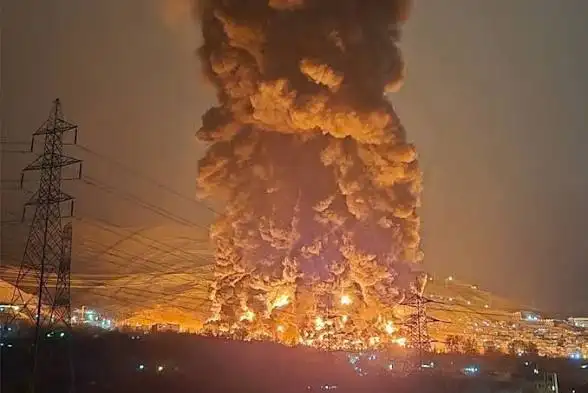
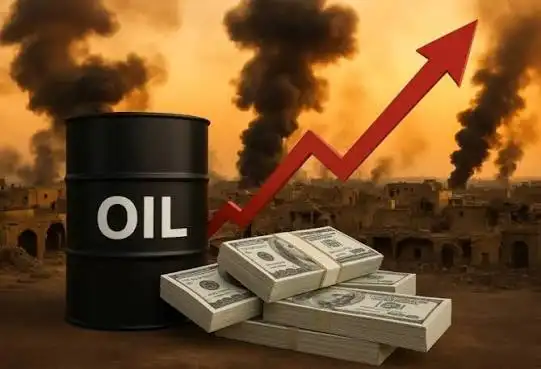
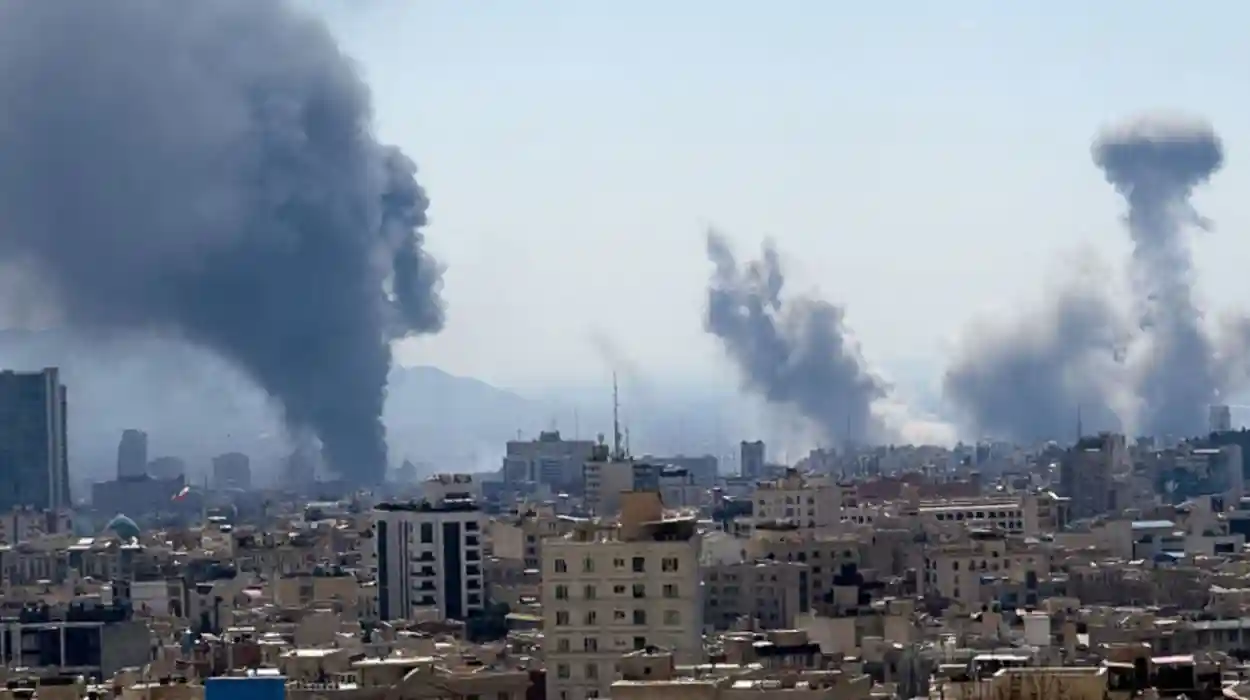
Global energy markets are experiencing severe volatility as the ongoing war involving Iran and Israel continues to raise concerns about potential disruptions to oil and fuel supplies. Traders and energy analysts say the uncertainty surrounding production facilities and critical transport routes has created rapid price fluctuations across international markets. The inility has drawn the attention of governments and financial institutions that rely on predictable energy supplies to support economic ility.
Market data from major trading hubs show that oil and refined fuel prices have moved sharply in recent days. Analysts attribute the fluctuations to investor reactions to developments in the Middle East, particularly any sign that infrastructure or shipping routes could be affected. Because the region accounts for a substantial portion of the world’s energy exports, even limited disruptions can quickly influence expectations about global supply levels.

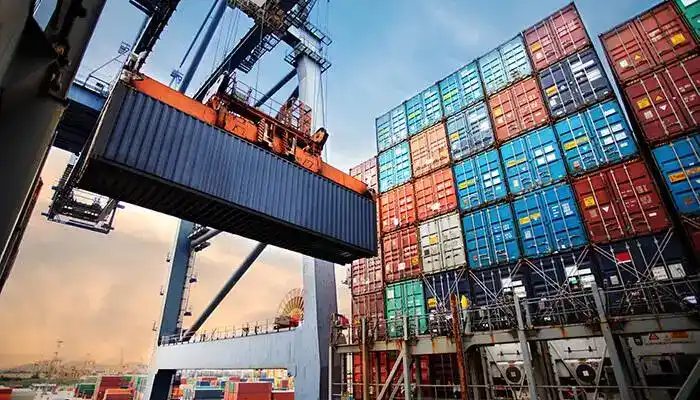
Energy traders have been closely monitoring developments around key maritime corridors, including the Strait of Hormuz, which serves as a major pathway for oil shipments. Security concerns in the area have prompted shipping companies and insurers to reassess operational risks. Higher insurance costs and precautionary route adjustments are already influencing the cost of transporting energy resources to international markets.
The volatility has also affected financial markets linked to the energy sector. Energy companies, commodity funds and investors are adjusting positions as they attempt to manage exposure to sudden price movements. Economists warn that prolonged inility in energy markets could eventually influence broader economic indicators such as inflation, manufacturing costs and consumer energy prices.
Governments and international energy agencies are now closely observing the situation to determine whether emergency measures might be needed to ilize supply. Strategic petroleum reserves and increased production from other regions are among the potential responses if disruptions deepen. Until the conflict subsides and shipping routes ilize, analysts expect energy markets to remain sensitive to every development in the Middle East.
















Leave a comment