

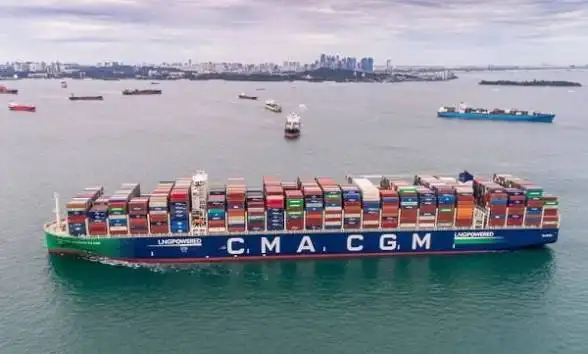
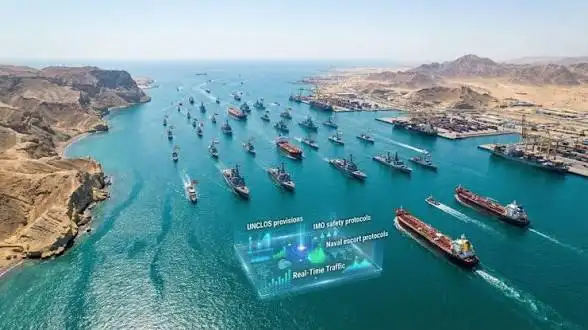
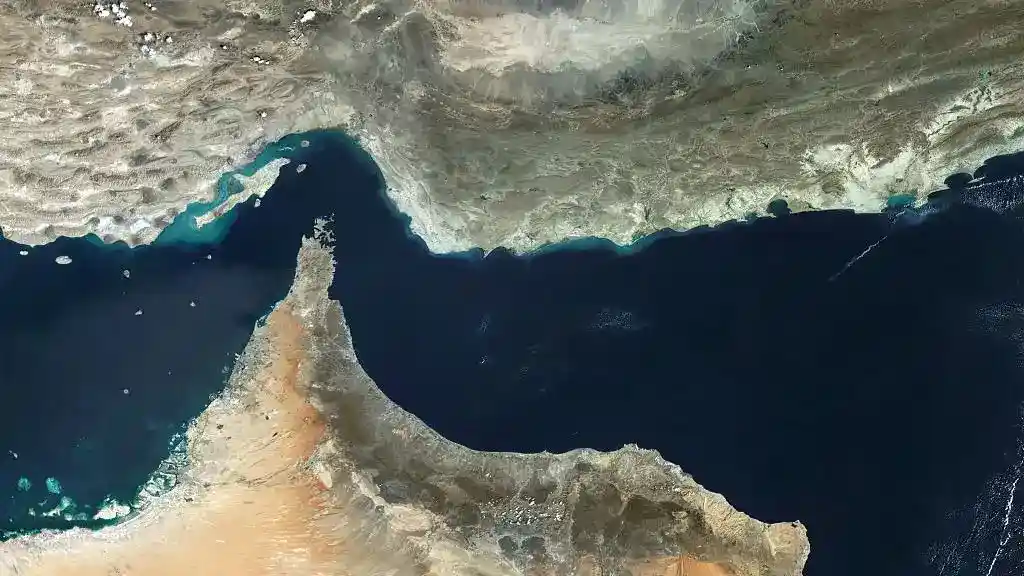
Shipping insurers are raising premiums for vessels traveling through the Persian Gulf as rising regional tensions increase the perceived risk to maritime trade. Insurance providers that specialize in covering commercial shipping say the cing security environment has prompted a reassessment of policies covering tankers, cargo ships, and other vessels operating in the region. The adjustments reflect growing concern among underwriters about potential disruptions along one of the world’s most important shipping corridors.
Marine insurance plays a critical role in global trade, providing financial protection for vessels, cargo, and operators in the event of accidents or security incidents at sea. When risk levels increase in a particular region, insurers often revise their pricing models to reflect the greater possibility of financial loss. The Persian Gulf is currently attracting heightened scrutiny due to its importance for oil transportation and its proximity to ongoing regional tensions.
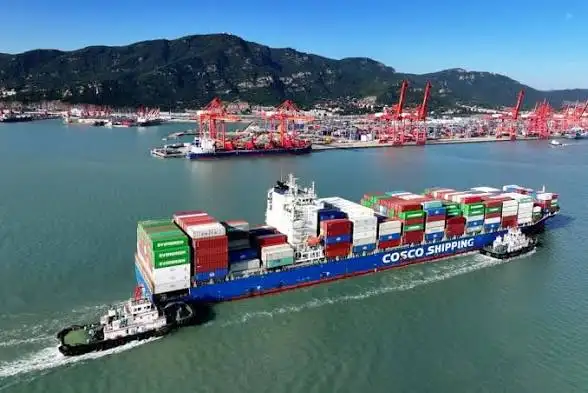
Industry specialists explain that insurers evaluate several factors when determining premium levels for vessels traveling through high risk zones. These include the frequency of military activity in nearby waters, the potential for disruptions to shipping routes, and the availability of naval patrols capable of providing security. When these factors indicate an elevated risk environment, shipping companies may be required to pay significantly higher insurance costs before entering certain maritime areas.
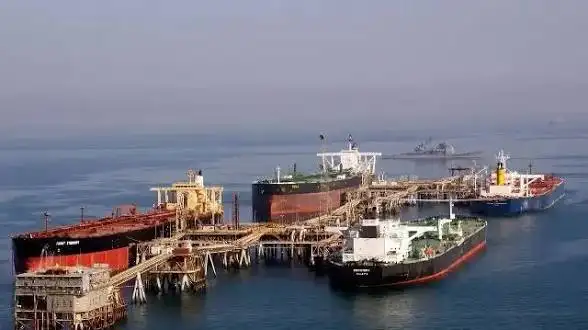
The rise in premiums is expected to affect shipping companies that transport oil and other goods through the region. Many tanker operators rely on marine insurance coverage as a condition for entering international ports or securing financing for cargo shipments. Higher insurance costs could therefore increase overall transportation expenses, which may ultimately influence the price of commodities moving through global supply chains.
Shipping analysts note that insurance markets often respond quickly to geopolitical developments because maritime trade depends heavily on le and predictable conditions. If tensions continue to intensify, insurers may introduce additional requirements such as enhanced safety protocols or specialized risk coverage. For now, shipping companies are closely monitoring the situation as they evaluate how rising insurance costs could influence their operations in the Persian Gulf.















Leave a comment