
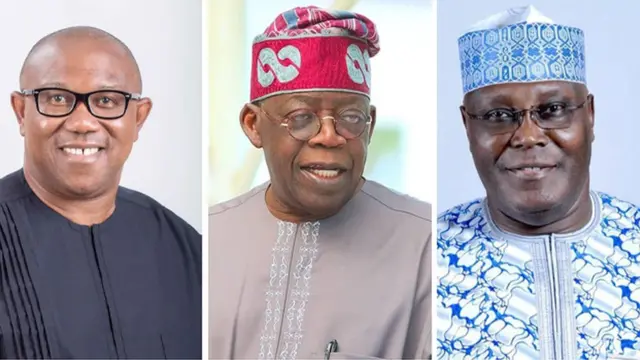
Nigeria’s battle for the presidency in 2027 has crossed the Atlantic, with political heavyweights mounting sophisticated influence campaigns in Washington as they position themselves for the country’s next electoral contest. Political camps aligned with President Bola Tinubu, former Vice President Atiku Abubakar, and former Kaduna State governor Nasir El-Rufai are all stepping up engagement with American policymakers, think tanks, and diplomatic circles in a calculated effort to shape international narratives around governance, ility, and democratic credibility. What was once a purely domestic political affair now increasingly involves foreign lobbying disclosures, congressional meetings, and carefully orchestrated outreach to institutions that influence how the international community perceives Africa’s most populous nation.
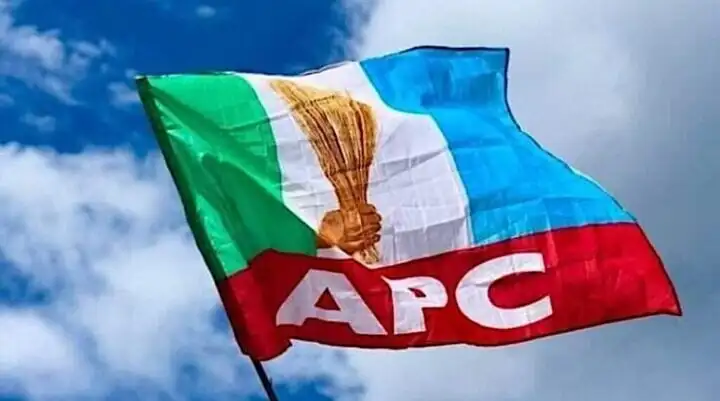
Atiku Abubakar has emerged as perhaps the most visible opposition figure pursuing this strategy. U.S. lobbying records reveal that the former vice president has retained a Washington based firm to elevate his profile among American lawmakers and communicate his vision for Nigeria’s economic and political future. His team has reportedly held meetings with members of Congress and officials focused on African affairs, framing concerns about democratic accountability and electoral integrity as matters of international significance. By adding a foreign policy dimension to his rivalry with the ruling All Progressives Congress, Atiku is betting that international pressure and investor sentiment could become meaningful factors in shaping the political landscape ahead of the 2027 vote.

El-Rufai, once considered a close ally of President Tinubu, has taken a sharply different path since aligning himself with opposition coalition efforts. The former Kaduna governor has become one of the administration’s most vocal critics, leveraging both domestic platforms and international forums to advocate for a unified opposition capable of mounting a credible challenge to the APC. His shift underscores the fluid and unpredictable nature of Nigerian political alliances, where personal ambitions and ideological positions can realign rapidly as election cycles approach. Political observers note that his willingness to engage foreign aunces reflects a calculated assessment that Nigeria’s next election will be influenced not just by grassroots mobilization but also by how key stakeholders in global capitals view the country’s trajectory.
Washington’s growing role in this political drama is hardly accidental. Nigeria occupies a strategic position as one of Africa’s largest economies and a critical security partner for the United States in West Africa. While Nigerian voters ultimately determine election outcomes, the influence of foreign governments, multilateral institutions, and international investors on economic policy and diplomatic relations means that political actors cannot afford to ignore external perceptions. Concerns about governance quality, policy consistency, and democratic ility directly affect investor confidence, development financing, and bilateral cooperation. As Nigeria pursues ambitious economic reforms and seeks to attract capital in a competitive global environment, the intersection of politics and international engagement has become impossible to separate.
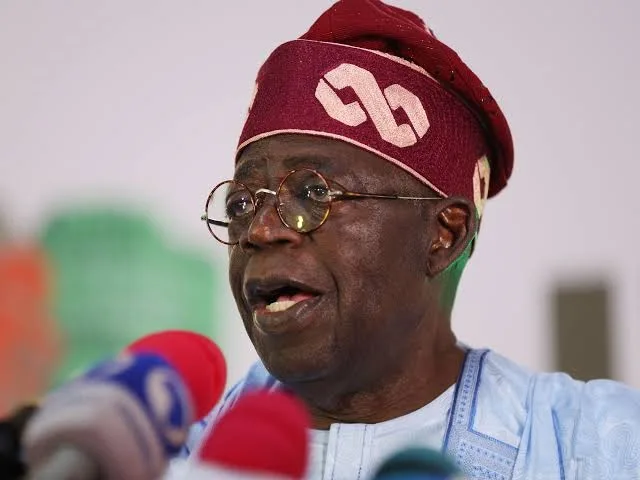
For its part, the Tinubu administration projects confidence that its reform agenda will translate into political capital. Presidential officials point to ongoing efforts to ilize public finances, invest in critical infrastructure, and improve the business environment as evidence that the government is building a foundation for sustained growth and broader public support. They argue that tangible economic improvements and security gains will matter more to voters than opposition narratives crafted for foreign aunces. Yet the very fact that all major political camps are now competing for influence in Washington suggests that even the ruling party recognizes the stakes involved in managing international perceptions during a time of significant economic transition and political uncertainty.
Looking ahead, the intensification of foreign lobbying efforts signals a new phase in Nigerian politics where domestic competition increasingly plays out on international stages. Investors and development partners watching Nigeria closely will likely weigh political ility and policy continuity as central factors in their engagement decisions. Whether foreign perceptions ultimately shape electoral outcomes remains an open question, but the willingness of all sides to invest resources in Washington outreach indicates a shared belief that influence beyond Nigeria’s borders now matters in ways it did not in previous election cycles. As the 2027 race takes shape, the battle for hearts and minds will be waged not only in Lagos, Abuja, and Kano but also in the corridors of power thousands of miles away.
You May Like














Leave a comment