
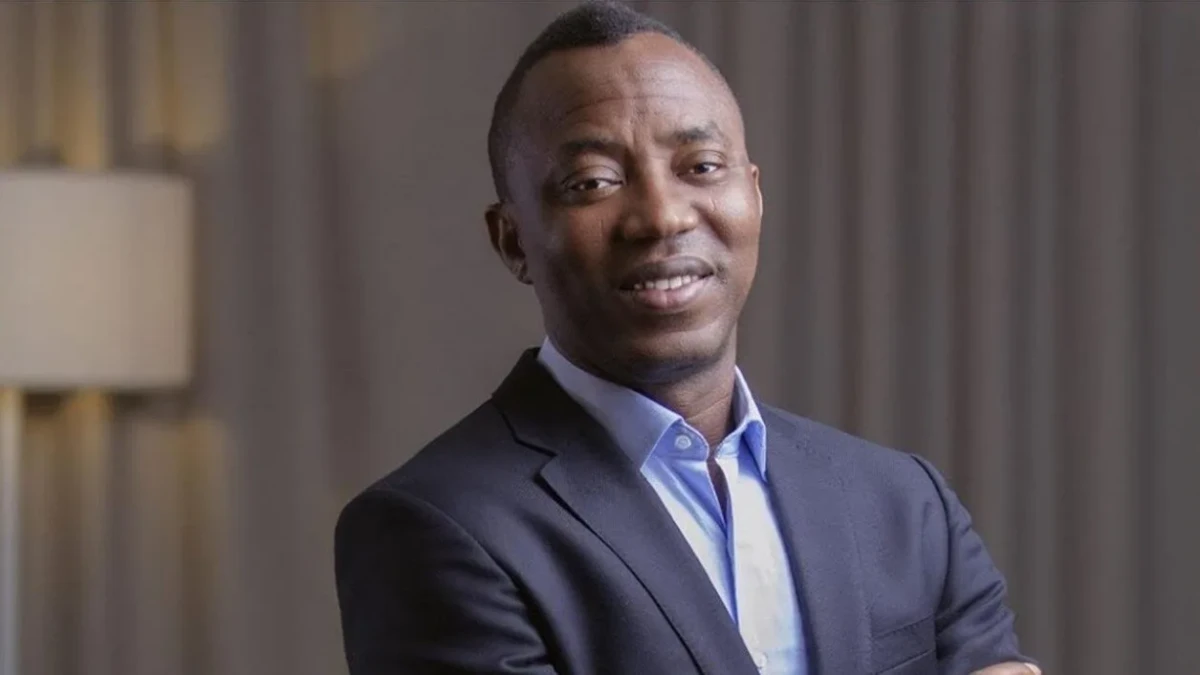
Activist and politician Omoyele Sowore has publicly declared he will never apologise to President Bola Tinubu for calling him a criminal, throwing down a gauntlet that challenges the very notion of political accountability in Nigeria. Speaking to journalists on Monday in Abuja, the African Action Congress presidential candidate turned the tables on demands for contrition, arguing that if authorities want an apology from him, they should first arrest former Vice President Atiku Abubakar, who has levelled even more serious accusations against the sitting president. Sowore’s defiant stance comes amid reports that he faces potential legal consequences for his public statements about Tinubu.
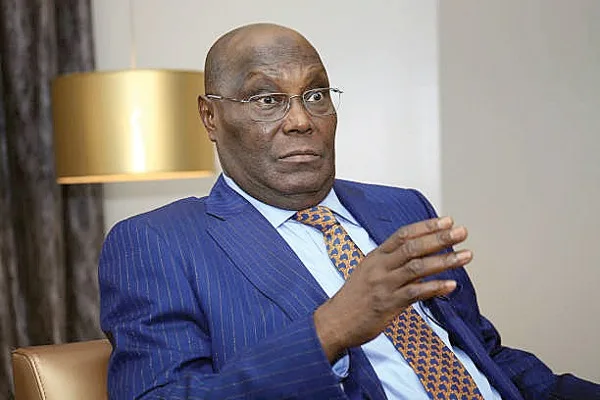
The activist politician framed his refusal as a matter of principle rather than personal vendetta. He questioned why he should be singled out when other prominent political figures have made comparable or stronger allegations without facing similar pressure. Sowore specifically pointed to recent statements by Atiku Abubakar, the African Democratic Congress presidential candidate, who reportedly called Tinubu a forger and a drug baron. “Let them go and carry Atiku,” Sowore challenged, suggesting that selective enforcement reveals the political motivations behind demands for his apology. His rhetorical question about whether he apologised to former President Buhari further underscored his position that criticizing sitting presidents is both his right and responsibility as an opposition figure.
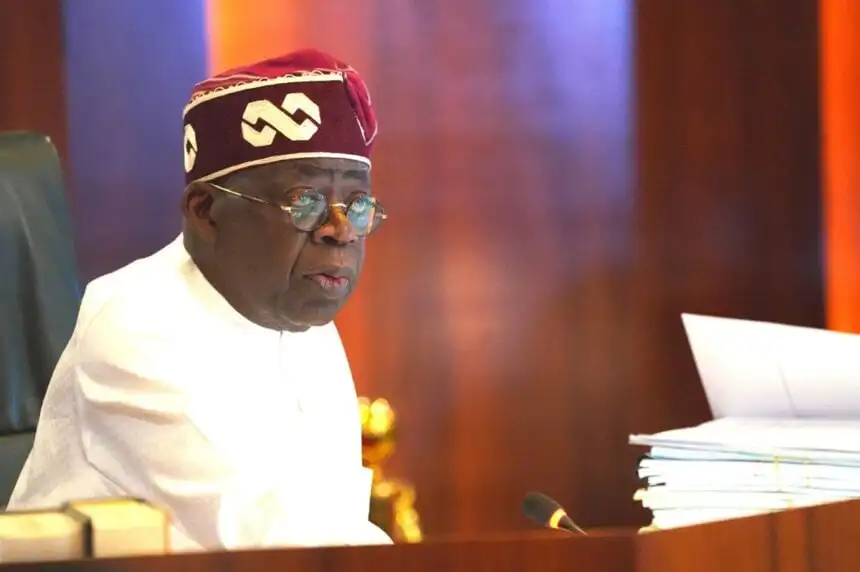
Rather than showing remorse, Sowore inverted the narrative entirely by insisting that Tinubu owes Nigerians the apology. According to the AAC candidate, the president should be apologising for presenting himself for an office for which he is not qualified. Sowore elaborated that Tinubu should be making daily apologies for claiming worthiness for the presidency despite allegedly knowing himself to be unworthy. This reversal transforms what might have been a defensive posture into an offensive one, shifting focus from Sowore’s conduct to questions about presidential legitimacy and qualification that have dogged Tinubu since before his election.
Political analysts note that Sowore’s approach reflects a broader tension in Nigerian politics between respect for public office and accountability of public officials. While libel and defamation laws exist to protect individuals from false accusations, critics argue these same laws are sometimes weaponized to silence legitimate political criticism. Sowore himself has a history of confrontational activism, having been detained multiple times under previous administrations for his outspoken criticism of government policies and leaders. His current stance appears consistent with a political philosophy that prioritizes unfettered speech over diplomatic niceties, particularly when addressing those in power.
Sowore’s remarks also touch on a sensitive issue in Nigerian political discourse regarding the qualifications and background of President Tinubu. Allegations about his past, including questions about his educational credentials and previous legal issues in the United States, surfaced repeatedly during the 2023 election campaign. While Tinubu and his supporters have consistently denied or explained away these allegations, opposition figures continue to reference them as evidence of unsuitability for office. Atiku’s recent comments calling Tinubu a forger and drug baron represent a continuation of these lines, suggesting that such rhetoric remains a staple of opposition strategy despite potential legal ramifications.
Going forward, Sowore’s refusal to back down sets up a potential confrontation that could test the boundaries of free speech and political criticism in Nigeria. If authorities proceed with charges against him while ignoring similar statements from more prominent opposition figures like Atiku, it could fuel perceptions of selective justice and political persecution. Conversely, if no action is taken, it may embolden other critics to speak more freely about the president and his administration. As Nigeria navigates economic challenges and political tensions, the question of how much criticism leaders must tolerate, and how much critics must moderate their language, remains unresolved. Sowore’s defiant stance ensures that this debate will continue to simmer in the public arena, with implications for democratic norms and political discourse in Africa’s most populous nation.




Leave a comment