

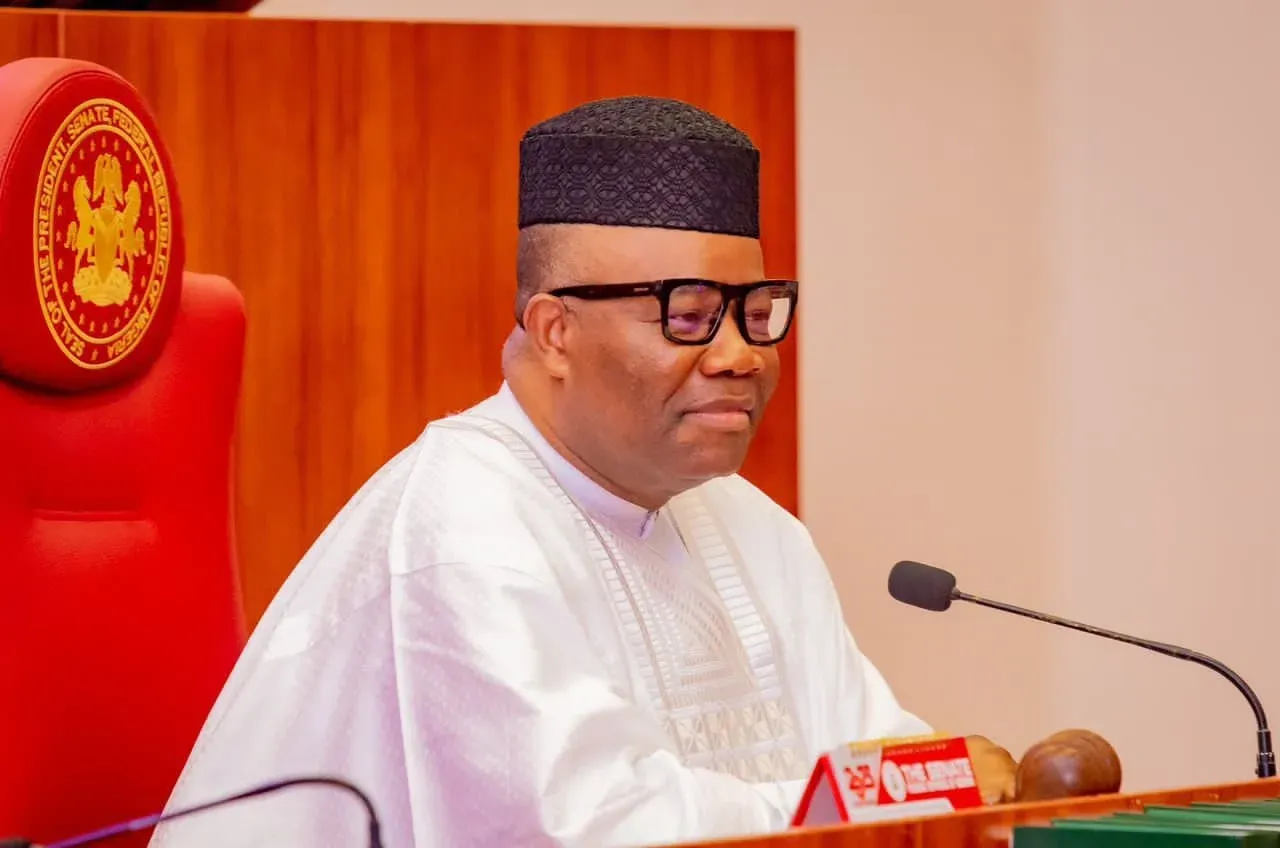
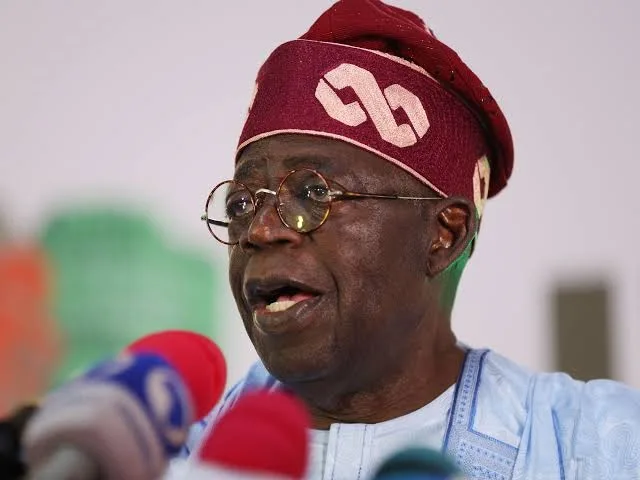
Nigerian Senate passed two of President Bola Tinubu’s four tax reform bills: the Nigeria Revenue Service (Elishment) Bill and the Joint Revenue Board (Elishment) Bill, marking a significant step toward modernizing Nigeria’s tax framework. The approval followed a detailed clause-by-clause review by the Committee of the Whole, based on a report from an ad hoc committee chaired by Senator Sani Musa, as reported by Daily Post and Nairametrics. Senate President Godswill Akpabio, announcing the passage after a majority voice vote, stated, “These bills will add immense value to governance and transform how taxes are collected and distributed in Nigeria.” He committed to passing the remaining two bills—the Nigeria Tax Administration Bill and the Nigeria Tax Bill—on Thursday, May 8, even if it required extended hours, saying, “We are committed to concluding the outstanding bills tomorrow, even if we have to remain here until 10 pm.”
The Nigeria Revenue Service Bill repeals the Federal Inland Revenue Service (FIRS) Act, elishing a new Nigeria Revenue Service (NRS) to streamline federal revenue collection, including royalties and excise duties previously handled by other agencies, per Omaplex Law Firm. The Joint Revenue Board Bill creates a body to harmonize tax administration, replacing the Joint Tax Board, and introduces a tax tribunal and ombudsman to protect taxpayer rights and resolve disputes, as noted by Naija News. The Senate rejected a proposed Value-Added Tax (VAT) increase from 7.5% to 10%, maintaining the current rate while allowing VAT input claims on fixed assets and overhead costs, addressing concerns from northern governors and stakeholders about regional inequities, per Tribune Online.
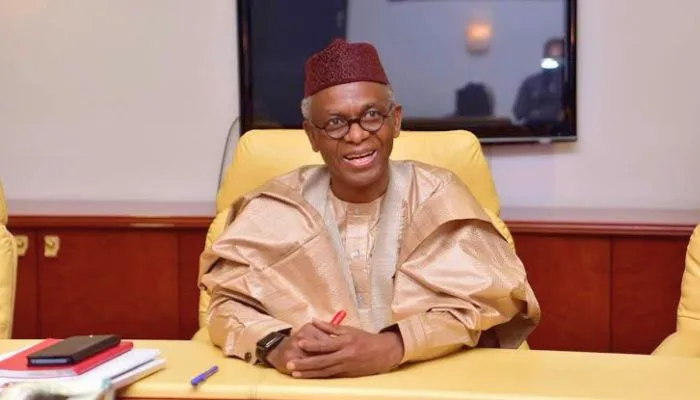
The bills, transmitted by Tinubu in October 2024, sparked debate, with initial opposition from northern leaders over VAT revenue-sharing formulas favoring derivation-based distribution. The Senate adopted a revised formula—50% equality, 30% place of consumption, 20% population—aligned with the Nigerian Governors’ Forum’s proposal, reducing the federal share to 10% and increasing states’ to 55%, per Legit.ng. Deputy Senate President Barau Jibrin praised the Finance Committee and a special elders’ committee, led by former Senate Leader Yahaya Abdullahi, for resolving contentious issues through stakeholder consultations, including religious and regional groups, per Blueprint Newspapers.
Sentiment on X, reflected in posts like @channelstv’s announcement and @KanoChronicle’s note on the bills’ third reading, shows cautious optimism, with @docneto suggesting Tinubu’s influence ensured passage despite controversy. Critics, including @Nairametrics, note the House of Representatives’ March 2025 passage softened some measures, like retaining VAT at 7.5% and exempting minimum wage earners, to ease burdens on low-income groups. The reforms aim to boost Nigeria’s 10.8% tax-to-GDP ratio, among the world’s lowest, but face scrutiny over enforcement and equity, with Sahara Reporters highlighting ongoing harmonization with the House’s version. As the Senate prepares for Thursday’s session, the bills’ final passage could reshape Nigeria’s fiscal landscape, though public skepticism persists amid economic challenges like 24.23% inflation.














Interesting move by the Nigerian Senate! Do you think rejecting the VAT increase was the right decision or a missed opportunity?
Wow, I cant believe they rejected the VAT increase! Do you think its a good or bad move for the economy?
I cant believe they rejected the VAT increase! How will they make up for lost revenue? Seems short-sighted to me.
Interesting move by the Nigerian Senate, but will these tax reform bills actually benefit the people or just the government? 🤔
I think the Nigerian Senate made a smart move by rejecting the VAT increase. It shows they are considering the impact on the people.