

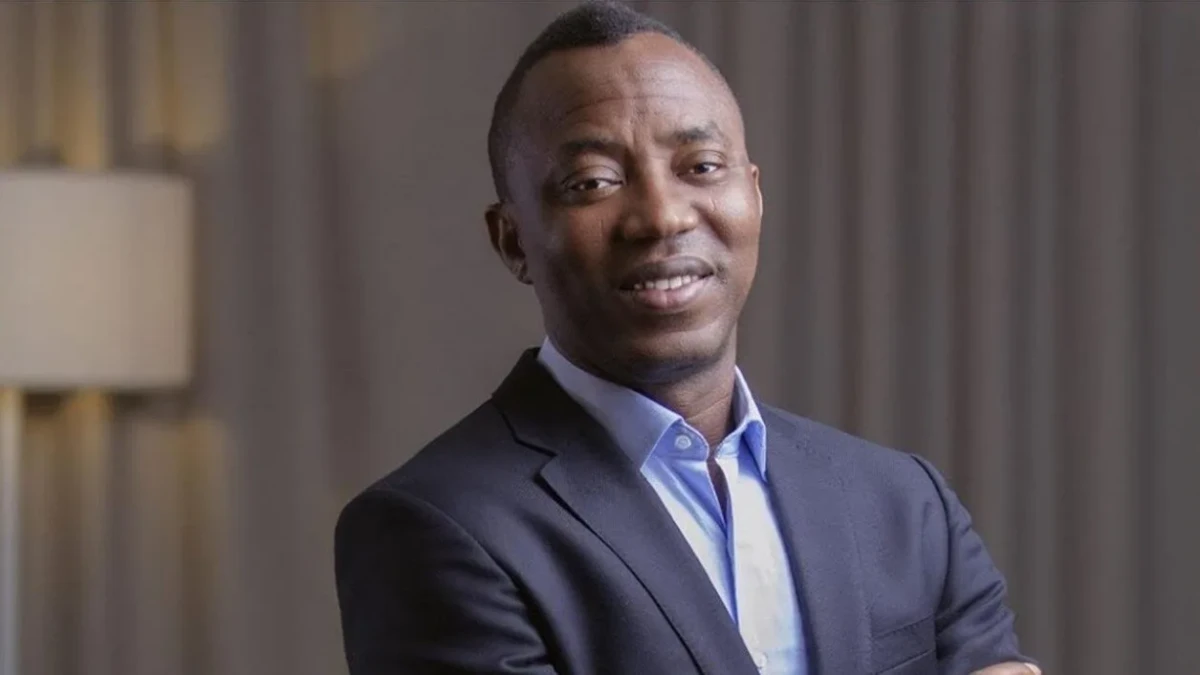
Presidential hopeful Omoyele Sowore has made a sweeping pledge to abolish examination fees for Nigerian students, promising that no child will pay for WAEC, NECO, or any other public examination under his administration. The African Action Congress candidate unveiled what he termed a revolutionary education blueprint on Monday, positioning free and accessible education as the cornerstone of his 2027 campaign platform.
Sowore’s proposal extends far beyond examination fees, encompassing free education across all levels from early childhood through university. Speaking to supporters and observers, he emphasized that educational access should never be determined by a family’s economic circumstances. His vision includes modern classrooms equipped with virtual learning capabilities, improved teacher compensation, student grants, and what he describes as equal opportunities for every Nigerian child regardless of their background or location.
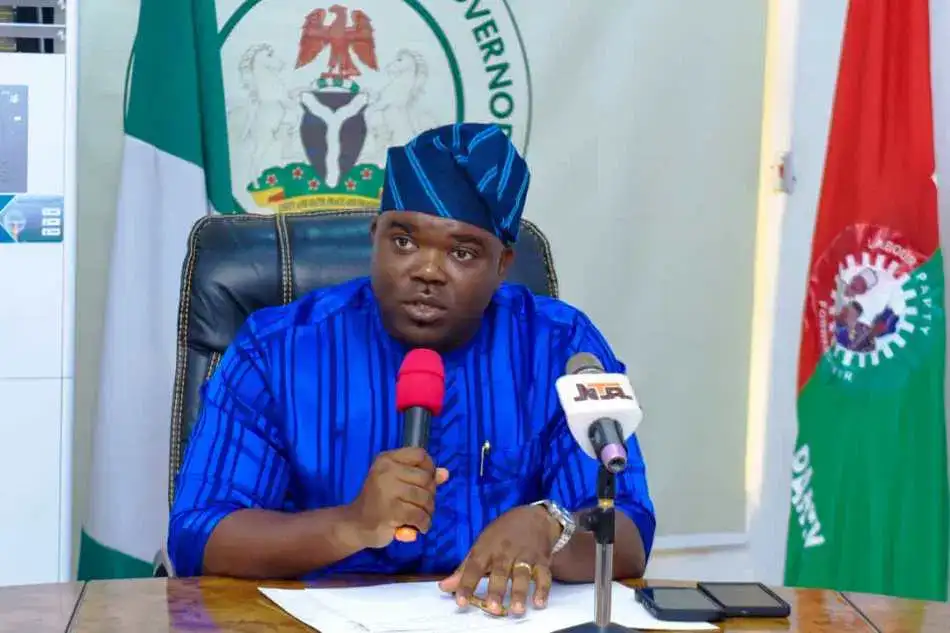
The timing of this announcement comes amid ongoing national debate over educational costs and accessibility in Nigeria. Examination fees for WAEC and NECO have long represented a significant financial burden for many Nigerian families, particularly those in rural areas and lower income brackets. Recent attempts by examination bos to increase fees have sparked public outcry and temporary government intervention, highlighting the politically sensitive nature of education financing in Africa’s most populous nation.
Sowore framed his education policy as a fundamental departure from conventional political promises, calling it a revolutionary commitment rather than mere campaign rhetoric. He argued that knowledge should be treated as a basic right rather than a privilege reserved for those who can afford it. According to the candidate, poverty should never determine the trajectory of a child’s future, a message that resonates with millions of Nigerian families struggling with the rising cost of education.
Critics may question the fiscal feasibility of such an ambitious program, particularly given Nigeria’s current economic challenges and competing budget priorities. Implementing free education at all levels while simultaneously upgrading infrastructure, incorporating technology, and raising teacher salaries would require substantial government expenditure and likely significant restructuring of national budget allocations. Questions about funding sources and implementation timelines remain central to evaluating the practicality of such proposals.
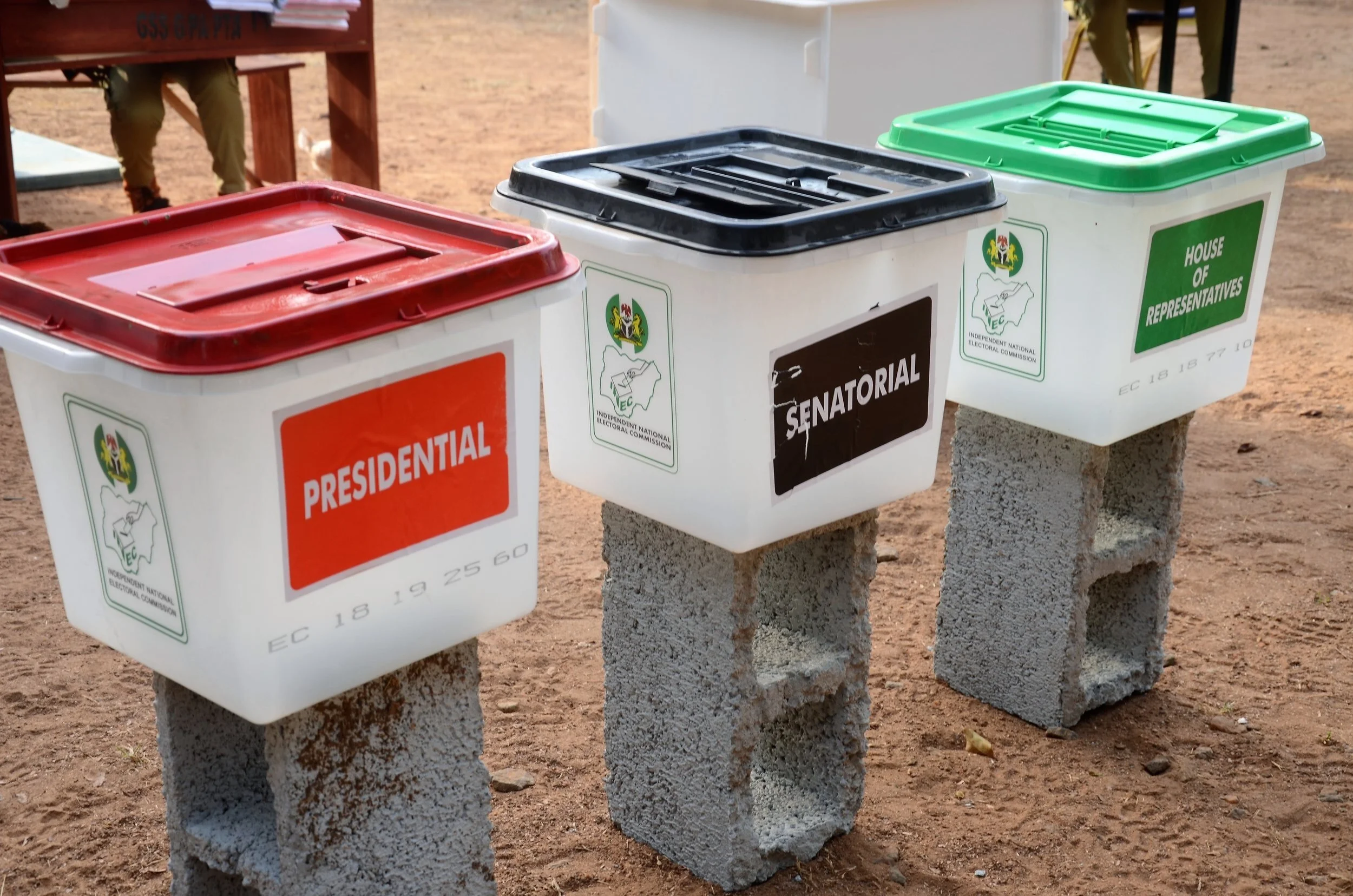
As Nigeria approaches the 2027 general elections, education policy appears poised to become a key battleground for candidates seeking to differentiate themselves. Sowore’s bold stance on eliminating examination fees and guaranteeing free education sets a benchmark that other candidates may feel pressured to address. Whether this vision translates into electoral success or policy implementation remains to be seen, but it has already succeeded in refocusing national conversation on educational accessibility and the role of government in ensuring every child has the opportunity to learn.









Leave a comment