

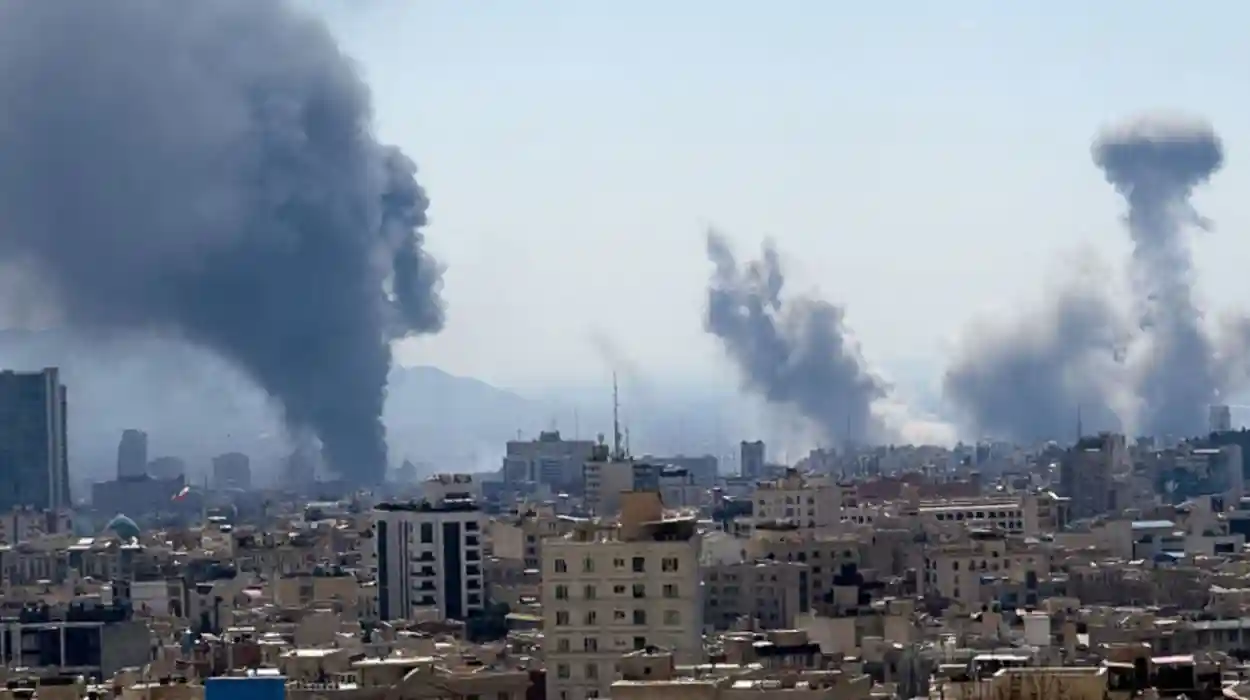
Rising tensions between Israel and Iran are creating significant uncertainty in global energy markets, with fears that disruptions around the strategic Strait of Hormuz could push oil prices above $100 per barrel, worsen inflation, and slow economic growth worldwide.
In an interview, former Dele Kelvin Oye warned that Nigeria must brace for tougher economic conditions as the conflict exacerbates oil price volatility, exposes the country’s reliance on crude exports and imported fuel, and intensifies pressure on households.
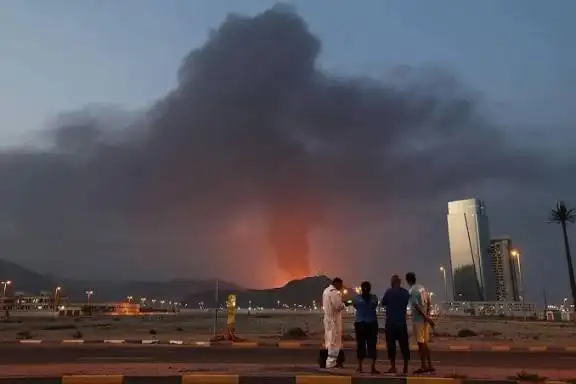
Oye highlighted that Hormuz carries roughly one fifth of the world’s oil supply and any prolonged disruption could trigger major ripple effects. Oil production in Iraq Kuwait and Saudi Arabia could decline, refineries may shut down, shipping costs could rise due to detours, and food prices might spike as sel-dependent agriculture is affected.
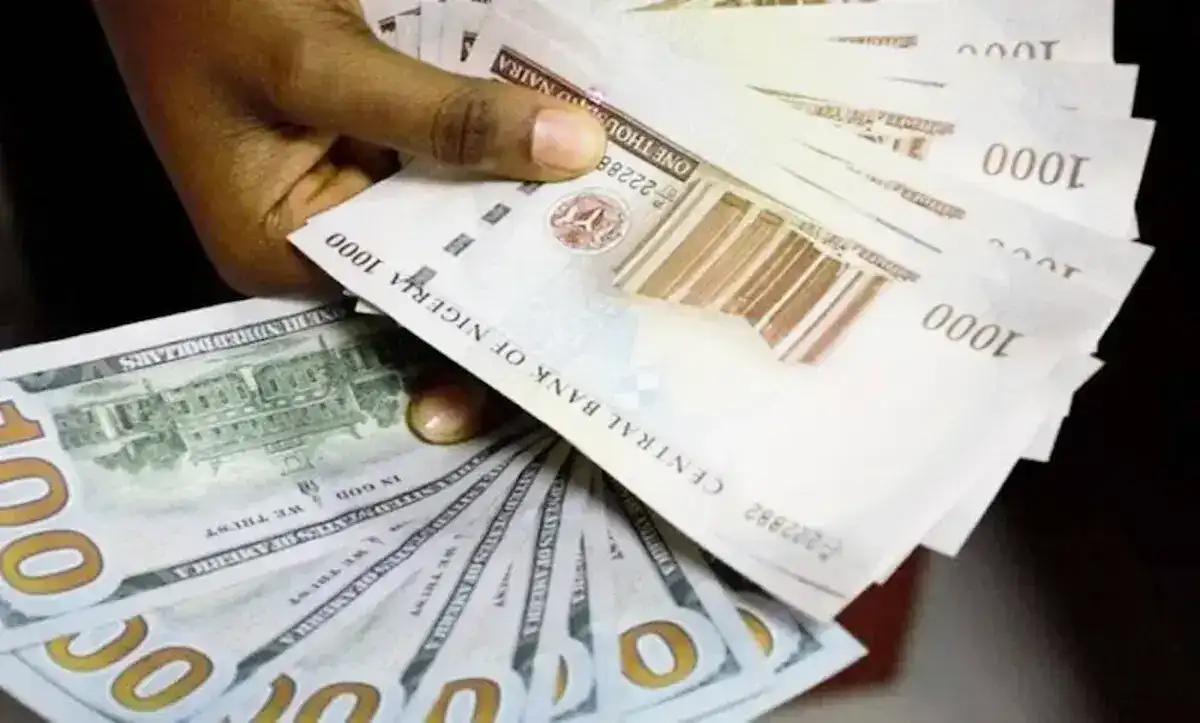
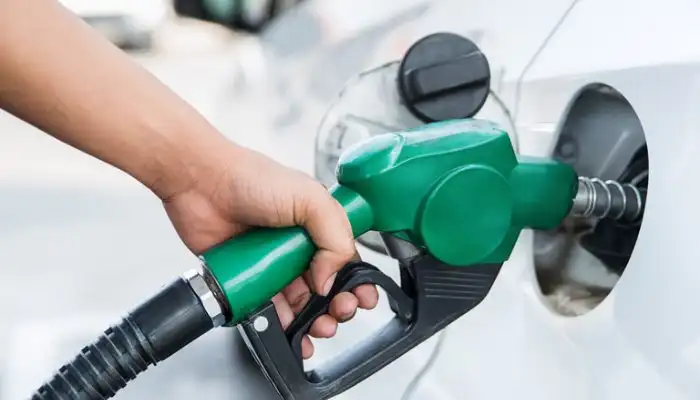
For Nigeria, the situation presents a paradox: higher oil prices may increase export earnings, but also raise the cost of importing refined fuel. Despite the operation of the Dangote Refinery, the country still imports significant volumes of fuel. This could push up domestic petrol prices and trigger inflation, putting ordinary Nigerians under pressure while requiring careful management of any oil revenue windfalls.
Practical impacts for Nigerians may include transport fare increases of 20 to 30 percent, food price rises of 15 to 25 percent, and higher operating costs for businesses using sel generators, potentially leading to job cuts. Households could face fewer meals delayed medical care and difficulty affording education.
Oye urged the government to implement short term relief measures such as expanding cash transfers ilising fuel supply through crude-for-product swaps and temporarily restricting non essential imports. Over the medium term deeper reforms are required including privatising and rehabilitating state refineries boosting solar home systems reducing sel dependency saving windfalls in the sovereign wealth fund and providing targeted subsis and support to farmers.
He stressed that structural reforms paired with transparent policy and social protection are critical to protect households and sustain economic ility amid rising global energy uncertainty.















Leave a comment