

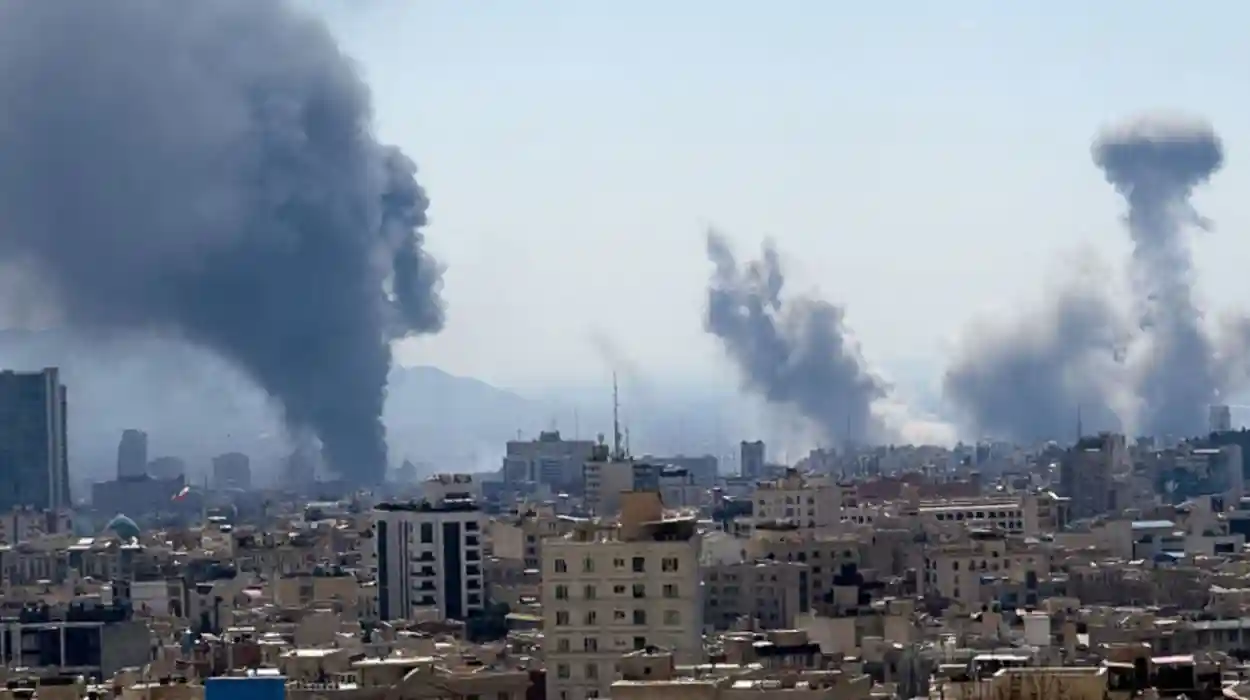
Concerns are mounting across Nigeria over a possible increase in petrol prices as global crude oil markets react sharply to escalating tensions involving United States and Iran.
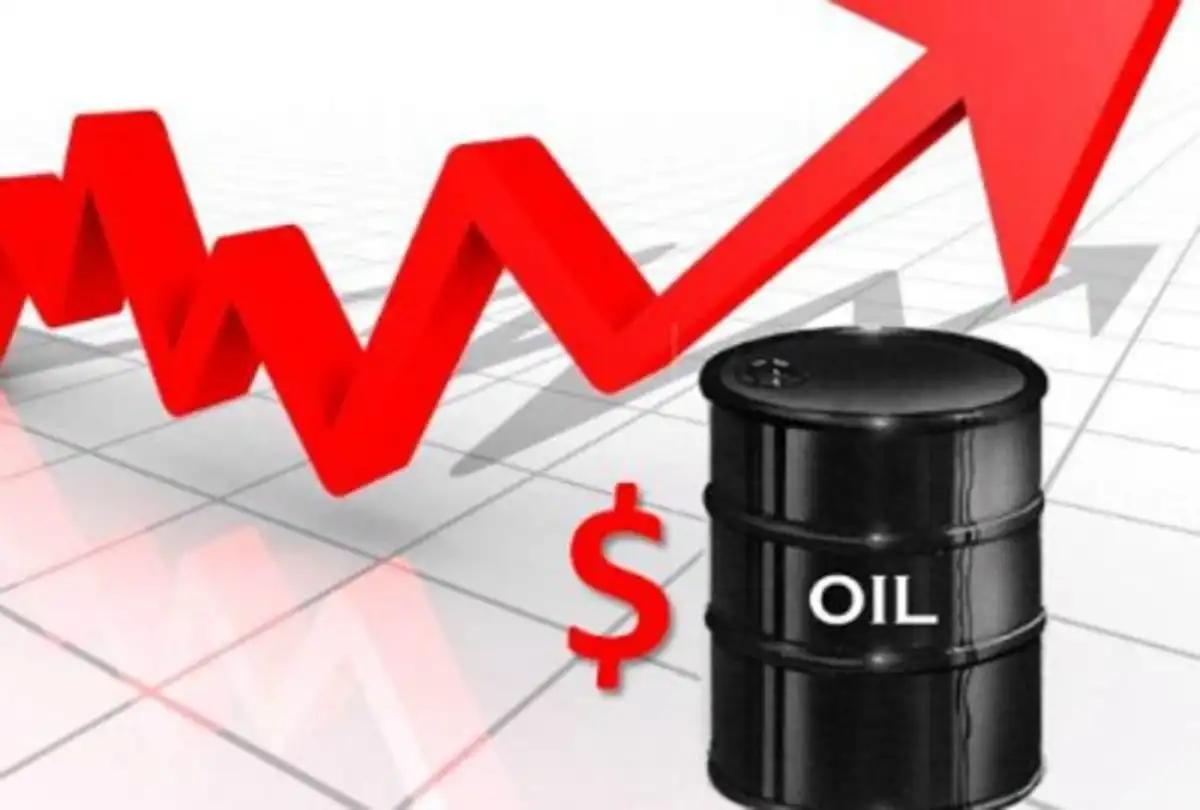
Crude oil prices have surged significantly, with Murban crude jumping to 146.4 dollars per barrel from 120 dollars, marking a 21 percent increase. Meanwhile, Brent crude rose to 112.2 dollars, while Nigeria’s Bonny Light also recorded gains, climbing to 114 dollars per barrel. These increases are already triggering concerns about higher fuel costs in import dependent economies like Nigeria.
Speaking on the development, Billy Gillis Harry of the Petroleum Products Retail Outlets Owners Association of Nigeria warned that prolonged conflict would continue to drive volatility in petroleum prices.
“As long as the war persists, crude oil prices will fluctuate, leading to inility in fuel prices. Nigerians should avoid panic buying, as it could worsen the situation,” he said.
Energy experts note that crude oil remains a key input in fuel production, meaning any spike in global prices quickly affects local pump prices. Wumi Iledare explained that such global shocks could translate into a 5 to 8 percent increase in petrol prices in West Africa.
However, he pointed out that the Dangote Refinery could help cushion the impact by refining domestic crude, reducing reliance on imports and lowering logistics costs.
Economic analysts are also raising concerns about inflation. Muda Yusuf of the Centre for the Promotion of Private Enterprise warned that rising energy costs could worsen the cost of living crisis.
He noted that higher fuel prices would directly affect transportation, food prices and production costs, placing additional strain on households and businesses. He added that Nigeria’s dependence on petrol and sel for power generation further amplifies the impact of global oil price shocks.
Yusuf urged policymakers to adopt cautious fiscal and monetary strategies, emphasizing the need to strengthen foreign reserves and support productive sectors to protect the economy from external shocks.
















Leave a comment