

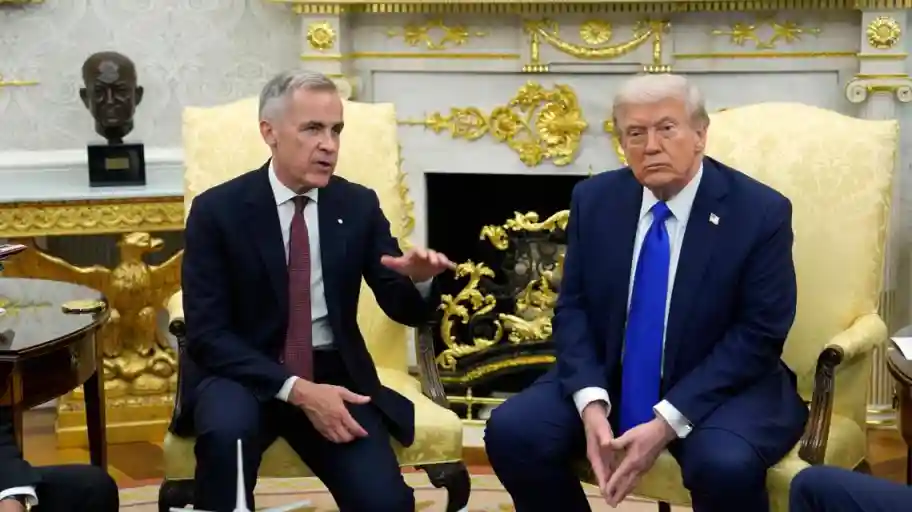
Trade negotiations between the United States and Canada collapsed dramatically just before a midnight deadline Friday, triggering unprecedented 50 percent tariffs on approximately $20 billion worth of Canadian goods and escalating tensions between the longtime allies. The punitive measures were imposed under Section 338 of the Tariff Act of 1930, a rarely invoked provision, following what American officials characterized as last minute demands and reversals by the Canadian government.
According to the United States Trade Representative, Canada declined to finalize a trade deal despite being offered what American negotiators described as the most favorable treatment available to any major exporter. The statement accused Canadian Prime Minister Mark Carney of introducing new demands and walking back previously agreed commitments, upending a carefully negotiated balance reached earlier in the week. American officials also noted that Canada has maintained prolonged retaliatory measures against the United States, including outright prohibitions on certain American goods and services.

The failed agreement would have provided significant tariff reductions on key sectors including steel, aluminum, automobiles, and lumber while elishing what officials described as a historic economic and national security partnership. Proposed cooperation included export controls coordination, enhanced digital trade provisions, supply chain alignment in aerospace, critical minerals partnerships, and strengthened enforcement against forced labor imports.
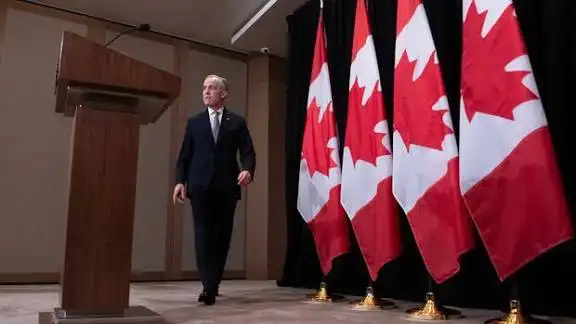
Canadian Prime Minister Carney has promised equivalent retaliatory measures in response to the American tariffs, setting the stage for an extended trade conflict between the neighbors. The breakdown represents a significant departure from decades of favorable trade relations and raises questions about the future of continental economic integration as both nations face mounting domestic political pressures.






















Leave a comment