

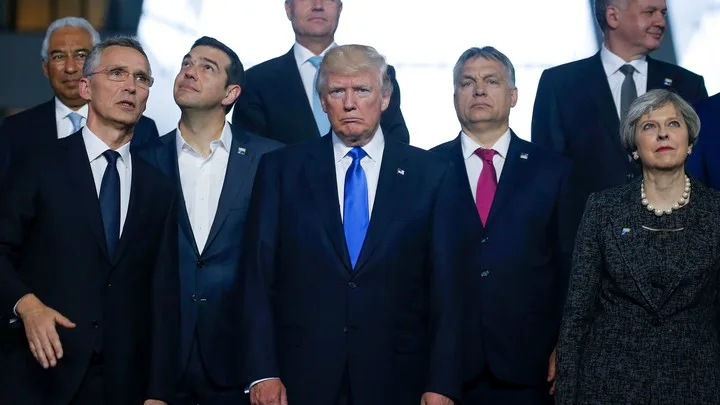
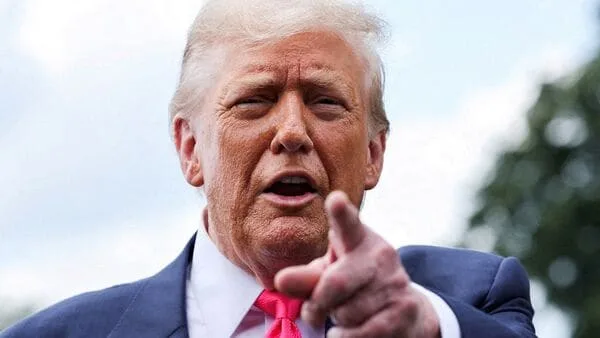
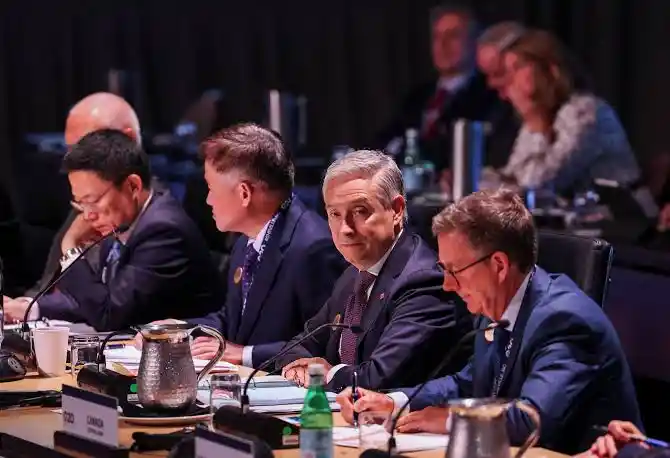
A sharp divide has opened between the United States and its European allies over the feasibility of swiftly reopening the Strait of Hormuz, casting a shadow over what was meant to be a display of Western unity at the G7 summit in France. President Trump’s confident assertion that the critical shipping lane can resume operations by June 19 has been met with skepticism and outright disagreement from European leaders, who view the timeline as unrealistic given the complex security and diplomatic challenges at play.
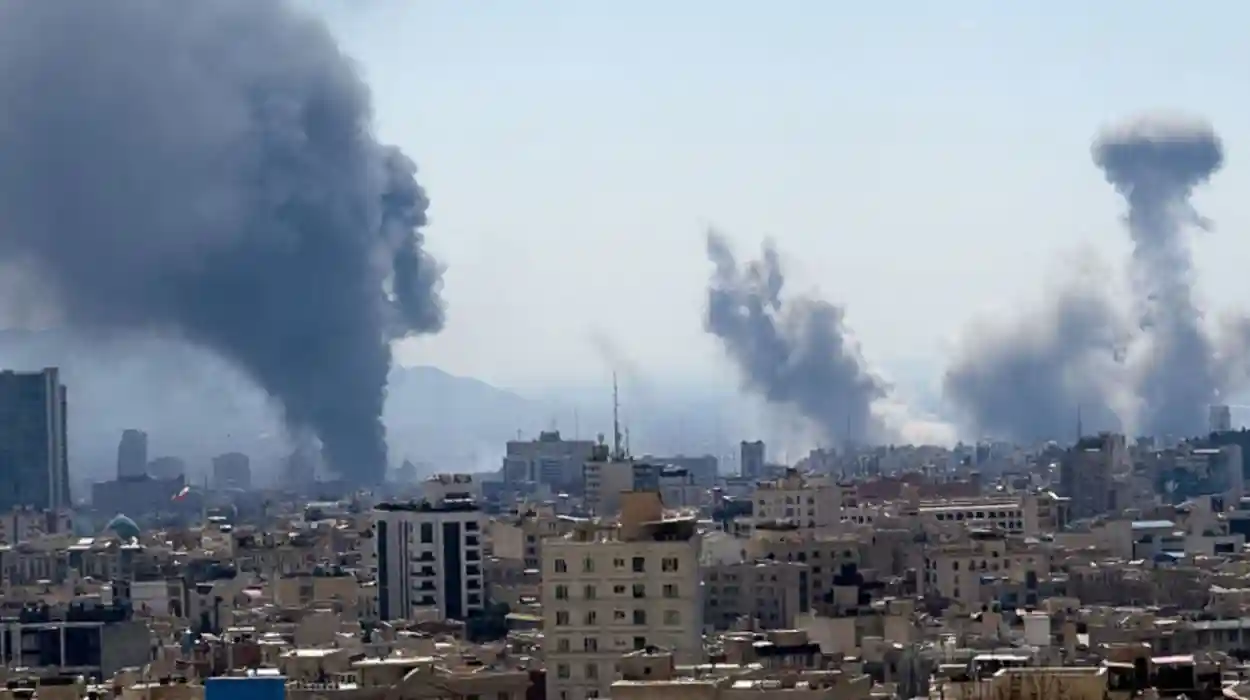
European officials at the summit have privately and publicly questioned the American assessment, pointing to ongoing tensions in the region and the intricate logistics involved in securing one of the world’s most vital maritime chokepoints. Approximately one fifth of global oil supplies pass through the narrow waterway between Iran and Oman, making any disruption a matter of international economic concern. France, Germany, and the United Kingdom have all expressed doubts about the proposed timeline, suggesting that coordinated military and diplomatic efforts would require weeks, if not months, to ensure safe passage for commercial vessels.
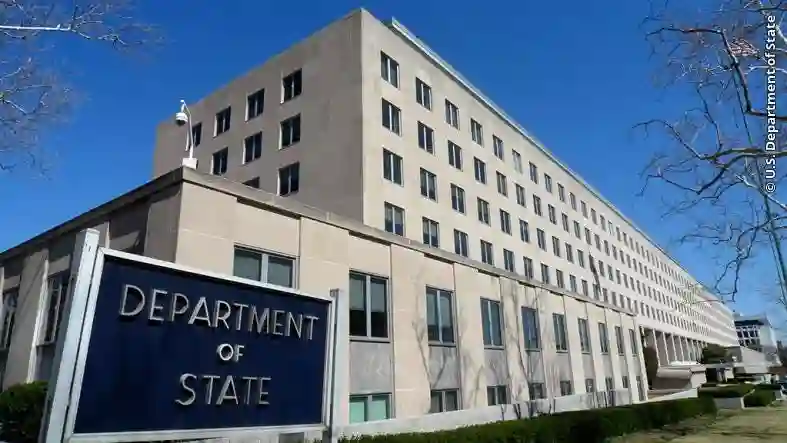
Diplomatic sources indicate that the disagreement reflects broader tensions over American foreign policy in the Middle East and competing visions for how Western democracies should respond to regional crises. European leaders have grown increasingly wary of what they perceive as overly optimistic assessments from Washington that fail to account for the complex realities on the ground. Intelligence sharing between allies has reportedly been affected by these differing threat assessments, complicating efforts to formulate a unified response strategy.
Security experts have weighed in on the debate, with maritime analysts suggesting that reopening the strait requires not just military capability but sustained diplomatic engagement with regional powers. Past closures and disruptions have taken considerable time to resolve, even with international cooperation. Iran’s continued military presence in the area and recent provocations have added layers of complexity that cannot be addressed through unilateral action or wishful thinking, according to naval strategists familiar with the situation.
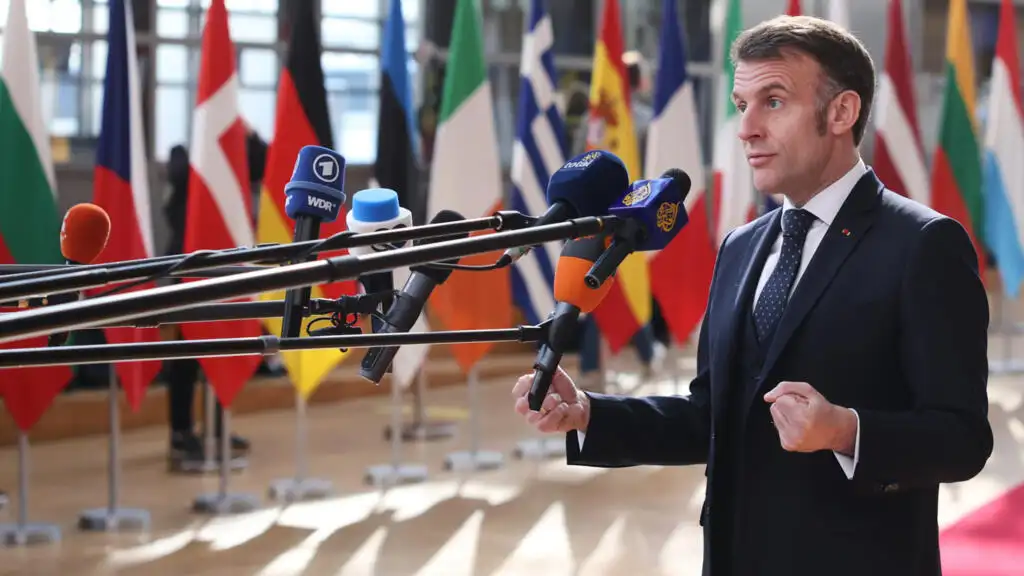
Behind closed doors at the summit, European delegations have reportedly pressed their American counterparts for more detailed operational plans and realistic timelines. French President Emmanuel Macron has been particularly vocal about the need for multilateral coordination and has offered to lead diplomatic outreach to regional stakeholders. German officials have emphasized the economic consequences of premature announcements that could deilize energy markets and create false expectations among global shipping companies that rely on accurate intelligence.
Looking ahead, the disagreement threatens to undermine broader G7 cooperation on security matters and could signal growing transatlantic divergence on Middle Eastern policy. Whether President Trump’s timeline proves achievable or European skepticism is vindicated will have significant implications not only for global energy markets but also for the credibility of Western intelligence assessments and the strength of the Atlantic alliance. All eyes now turn to the coming days as the June 19 deadline approaches, with shipping companies, oil markets, and allied governments watching closely to see which assessment proves correct.
You May Like











Leave a comment