
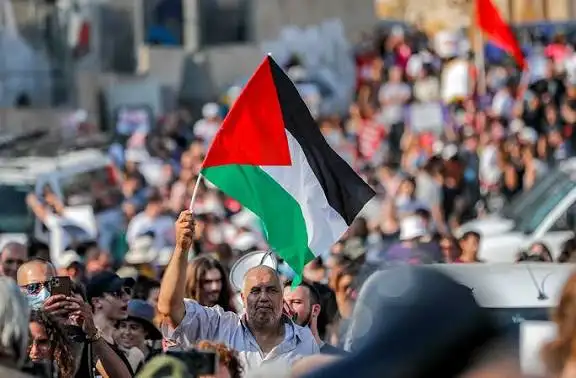
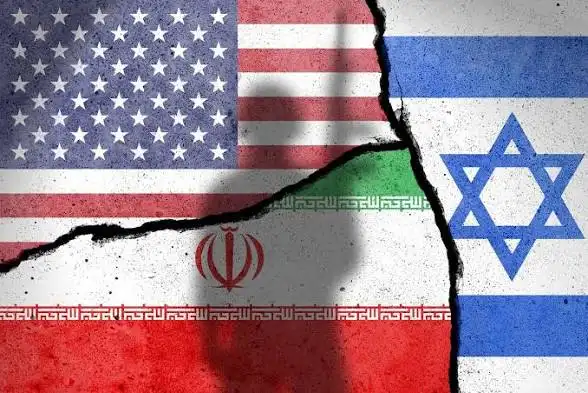
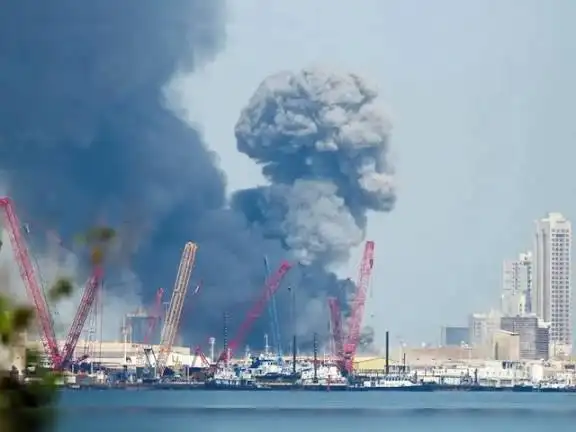
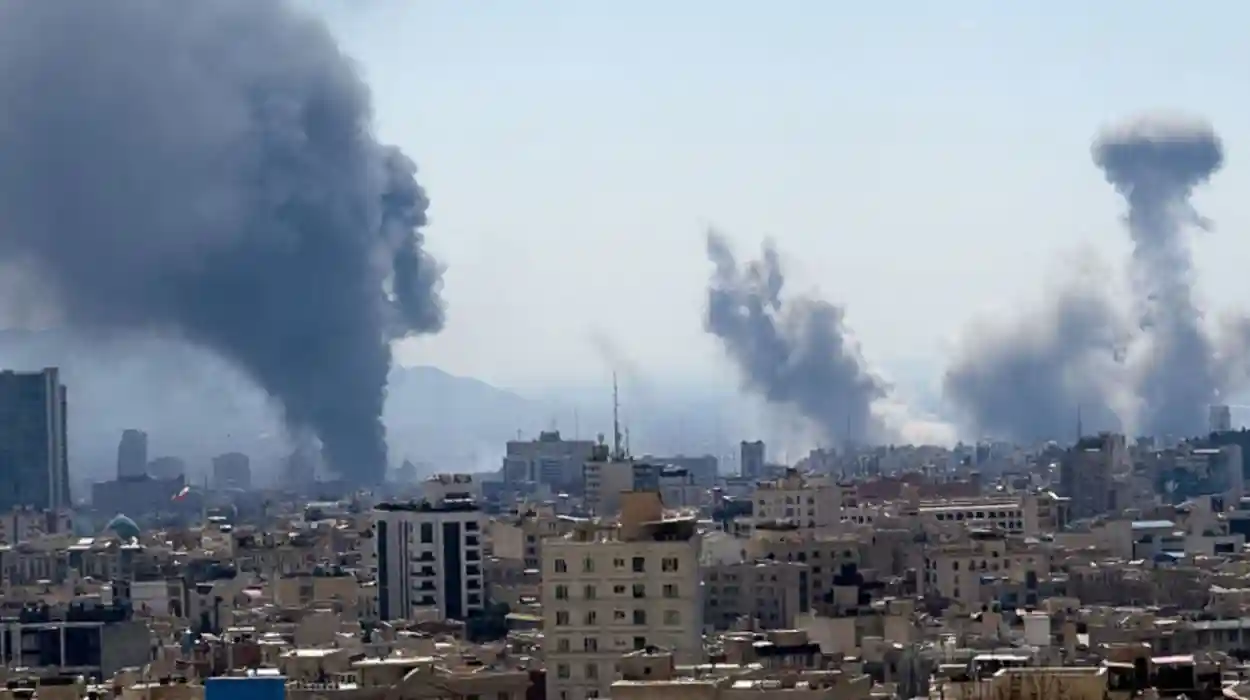
Global diplomatic pressure is intensifying as world leaders call for restraint and a return to negotiations amid the expanding conflict in the Middle East. Governments and international institutions have issued coordinated appeals urging all parties to de escalate military operations and prevent further regional deilization.
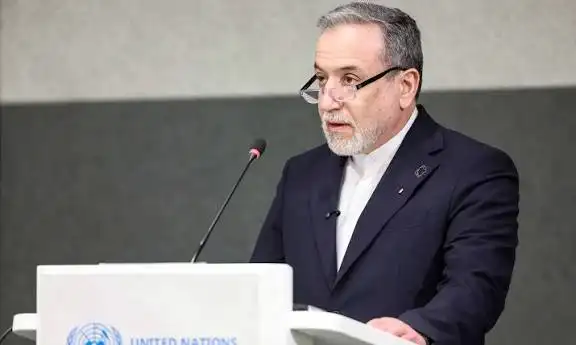
The United Nations has taken a central role in efforts to calm tensions, with senior officials warning that continued hostilities risk triggering broader humanitarian and economic consequences. In an emergency briefing, representatives emphasized the need for immediate dialogue and respect for international law. Diplomatic channels remain active in several capitals, though prospects for rapid breakthroughs appear uncertain.
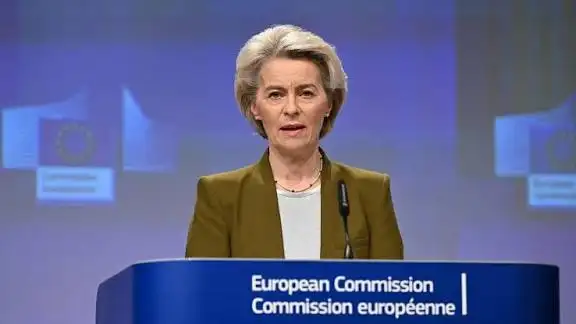
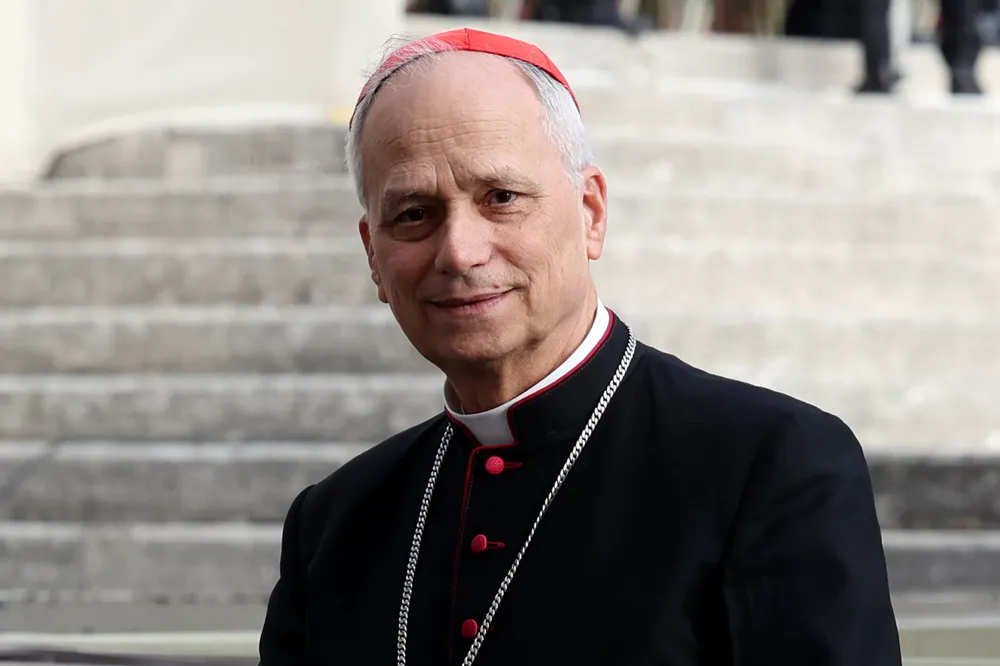
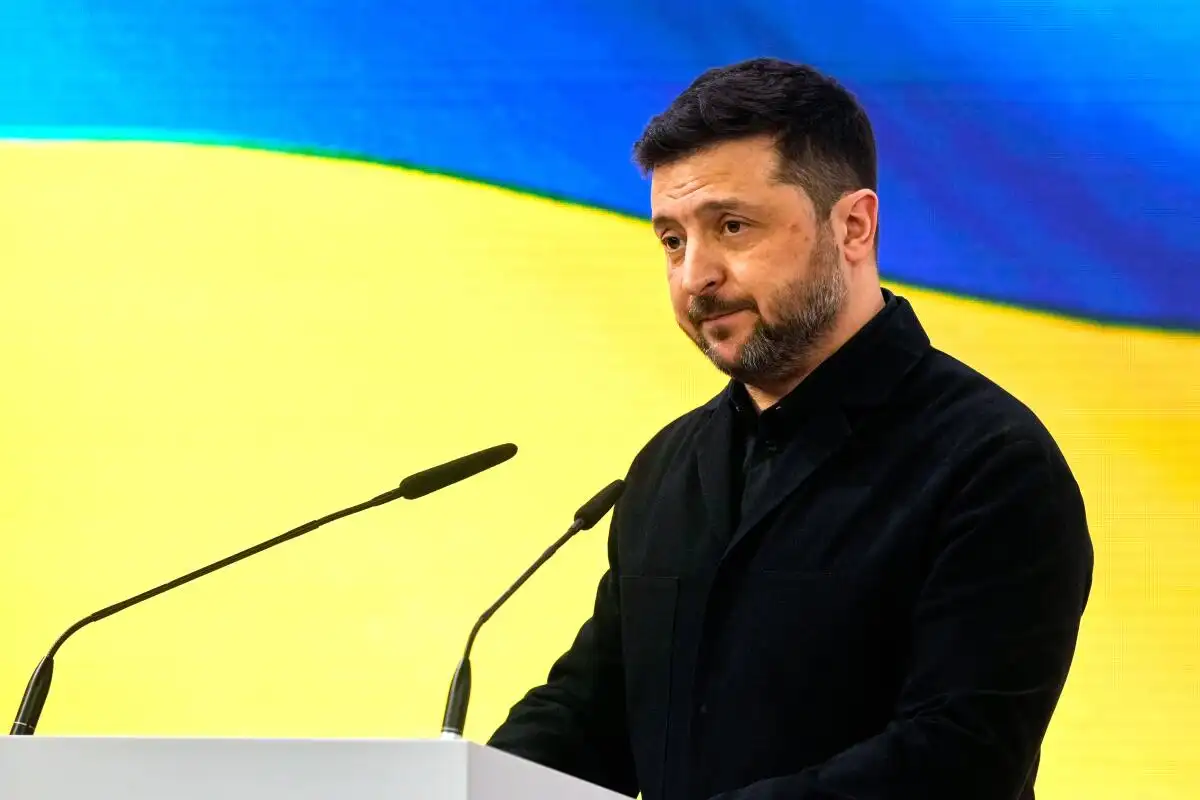
Leaders from Europe, Asia and the Americas released statements expressing concern about civilian safety and the impact of the conflict on global ility. The European Union urged a cessation of strikes and reiterated support for diplomatic solutions, while officials in major Asian economies highlighted the potential disruption to energy supplies and trade routes.
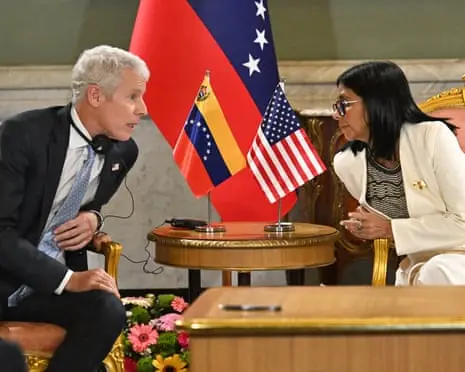
In Washington, policymakers acknowledged the seriousness of the situation while emphasizing alliance commitments and regional security objectives. Meanwhile, Middle Eastern governments have engaged in behind the scenes discussions aimed at preventing the conflict from spilling across additional borders. Analysts say these quiet diplomatic efforts could prove crucial in reducing the risk of miscalculation.
Energy markets and financial institutions are closely monitoring developments, adding economic urgency to political appeals for calm. Economists warn that sustained inility could affect commodity prices, inflation trends and investor confidence worldwide. This broader impact has strengthened calls for immediate negotiations to contain the crisis.
Humanitarian organizations have also voiced alarm over potential civilian displacement and infrastructure damage should the confrontation continue. Aid agencies are preparing contingency plans to support communities that may be affected by prolonged violence.
Despite strong rhetoric from multiple sides, observers note that diplomatic initiatives often gather momentum during periods of heightened risk. The coming days are expected to test whether international mediation can slow the pace of escalation and create space for constructive engagement.
As military operations persist, the collective voice of global leaders underscores a shared recognition that prolonged conflict carries significant costs. Whether these appeals translate into tangible de escalation measures remains to be seen.








Leave a comment