

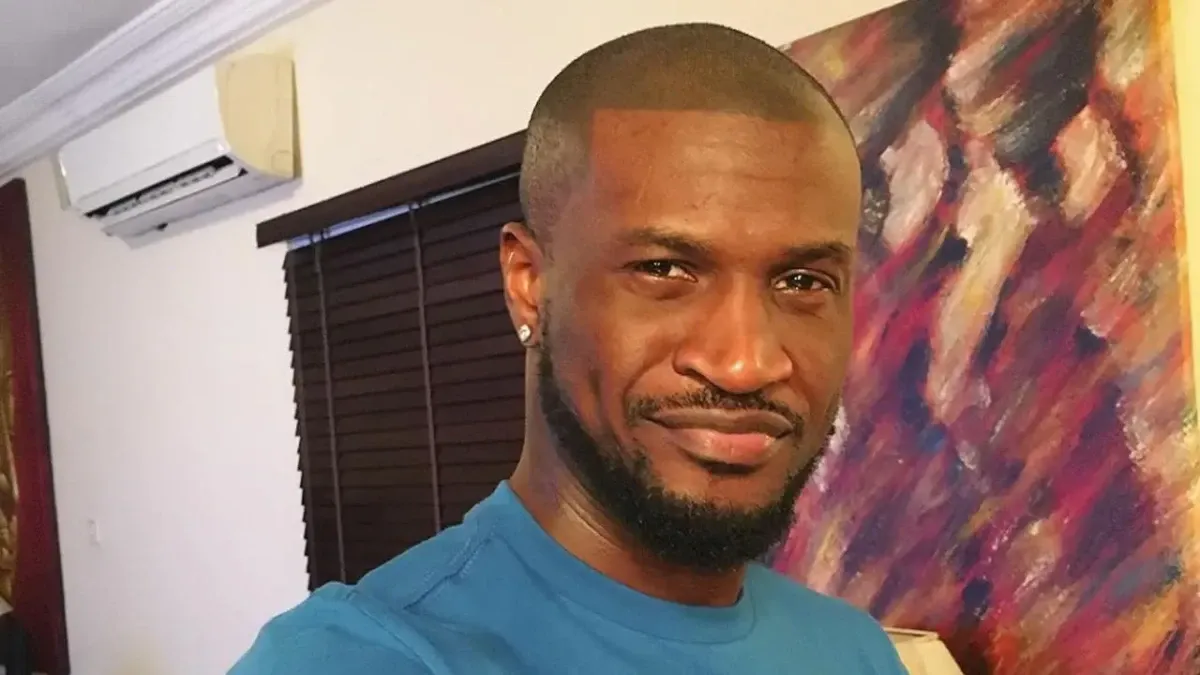
Afrobeats sensation Peter Okoye has ignited a firestorm of controversy after publicly dismissing the value of Nigerian indigenous languages, despite having built a lucrative music career partly on the commercial appeal of those very tongues. The artist, who performs as Mr P and comprises one half of the now defunct P-Square duo, made the contentious remarks during an exce with fans on social media platform X while vacationing in Paris with his family.
Okoye’s troubles began innocently enough when he shared his admiration for his children’s fluency in French, posting that watching them speak the language effortlessly made him consider purchasing property in the French capital. A fan quickly responded by asking whether his children could also speak Igbo, the indigenous language of southeastern Nigeria where Okoye traces his roots. His response proved inflammatory. Using Nigerian Pidgin English, the singer replied dismissively, asking rhetorically who Nigerian languages have ever helped and telling the commenter to be quiet.
The backlash was swift and severe. Critics across social media platforms pointed out the glaring contradiction between Okoye’s statements and his professional practice. Throughout his career with P-Square and as a solo artist, Okoye has regularly incorporated Igbo, Yoruba, and other Nigerian languages into his songs, leveraging the cultural authenticity and local appeal these linguistic elements provide. Many observers noted that the very fans who have supported his music career and enabled his wealth are the same people whose languages he now appears to denigrate.
Language preservation advocates and cultural commentators have expressed deep concern over the statement, particularly given Okoye’s influence as a prominent public figure. Nigeria is home to over 500 languages, representing one of the most linguistically diverse nations on earth. Yet many of these languages face existential threats as younger generations increasingly favor English and other international languages for perceived economic and social advantages. Comments from high profile celebrities dismissing indigenous languages can accelerate this erosion of cultural heritage.

The controversy also highlights broader tensions within African creative communities about cultural identity, globalization, and commercial success. While Okoye clearly values multilingualism for his children, his apparent hierarchy placing French above Igbo raises uncomfortable questions about internalized colonial attitudes and the perceived prestige of European languages over African ones. Several cultural critics have pointed out that countries like France have strict language preservation policies while simultaneously benefiting from Africans who elevate French at the expense of their mother tongues.
As the debate continues to rage online, Okoye has yet to issue any clarification or apology for his remarks. Whether this incident will have any lasting impact on his career remains to be seen, though it has certainly reopened important conversations about language, identity, and cultural pride in contemporary Nigeria. For a nation grappling with how to balance global integration with cultural preservation, the words of its most visible ambassadors carry weight that extends far beyond a single social media post.









Leave a comment