


Nigerian Afrobeats sensation David Adeleke, globally recognized as Davido, has pulled back the curtain on the extraordinary financial demands of celebrity life, revealing that he spends between $200,000 and $300,000 every month. Converting to Nigerian currency, this amounts to approximately N300 million to N400 million in monthly expenditures, a figure that underscores the often hidden costs of maintaining status at the pinnacle of African entertainment.
During a candid conversation on a recent livestream with popular content creator Davrel, the award winning artist emphasized that these staggering figures represent only his personal expenses. The monthly budget does not account for the spending of his wife, Chioma Adeleke, or any other household related costs. Furthermore, Davido clarified that major purchases such as luxury vehicles and high end jewelry fall outside this regular monthly allocation, suggesting his actual annual expenditure likely reaches astronomical heights when factored in completely.
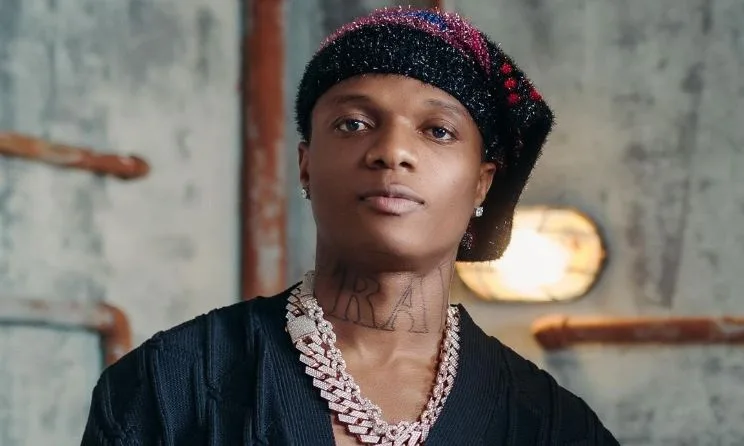
The disclosure offers rare insight into the financial ecosystem surrounding Africa’s biggest music exports. While Davido’s success is undeniable, with multiple chart topping hits and international collaborations, his revelation highlights a reality often obscured by social media glamour. Maintaining relevance in the global entertainment industry requires substantial investment in personal branding, security, travel, entourage salaries, and the constant refresh of image that fans and the industry alike have come to expect from A list performers.
Entertainment industry analysts have long noted that African artists breaking into international markets face unique financial pressures. Unlike their Western counterparts who benefit from elished infrastructure and endorsement ecosystems, artists like Davido often shoulder greater personal costs for everything from production quality to international touring logistics. The monthly figures he cited likely encompass expenses ranging from private aviation and luxury accommodation to styling, personal staff, and the maintenance of multiple properties across continents.
Davido’s transparency arrives at a moment when conversations about wealth, sustainability, and financial literacy within the entertainment sector have intensified across Africa. Young artists entering the industry often chase the visible trappings of success without understanding the financial machinery required to sustain such lifestyles. His candid admission serves as both a testament to his commercial success and potentially a cautionary tale about the treadmill of luxury that successful entertainers find themselves navigating.
As African music continues its global ascent, with Afrobeats now a fixture on international charts and streaming platforms, the business models supporting these artists will face increased scrutiny. Whether Davido’s spending reflects sustainable wealth management or the pressures of maintaining celebrity status in an increasingly expensive global market remains an open question. What remains clear is that behind the performances and platinum records lies a complex financial reality that demands as much strategic planning as artistic talent.
You May Like


















Leave a comment