

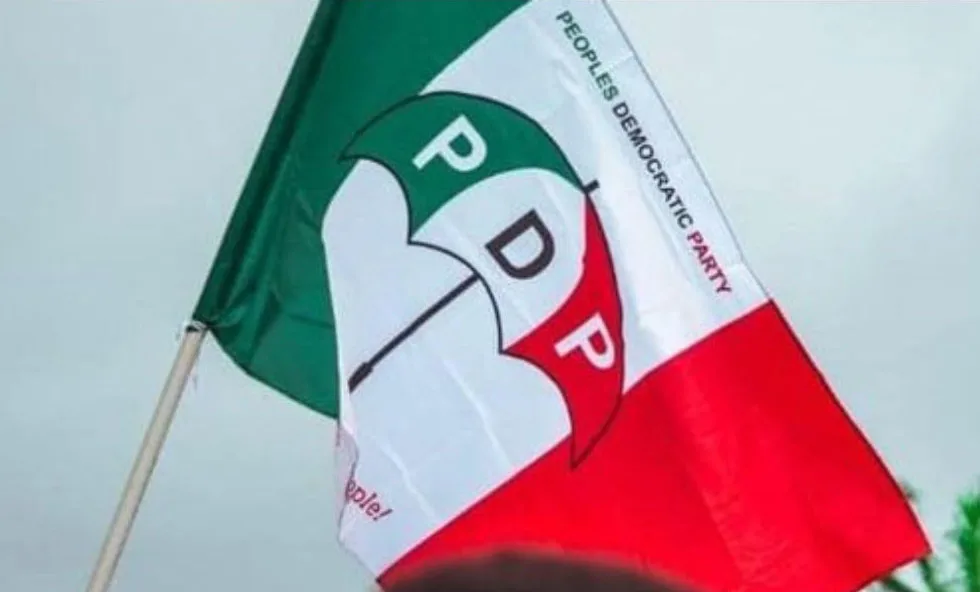
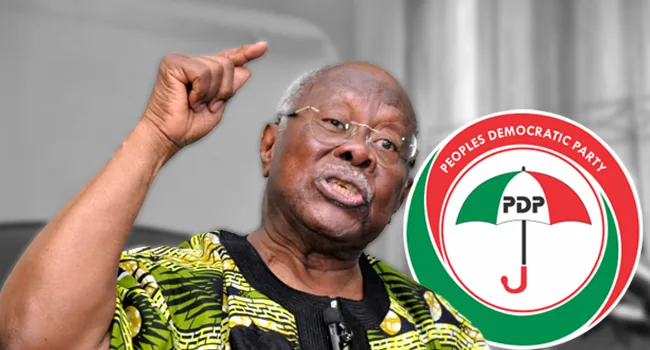
A senior member of the Peoples Democratic Party has issued a stern rebuke to Nigerian police following their alleged blockade of roads leading to a party convention venue, describing the action as a direct assault on the country’s democratic foundations. Fred Agbedi, who serves as the PDP caucus leader in the House of Representatives, told Arise Television on Sunday that the incident represented a troubling attempt to constrict the political space available to opposition parties.
Police operatives on Saturday reportedly barricaded access routes to the venue where a faction of the PDP, led by Taminu Turaki, had planned to ratify former President Goodluck Jonathan as its presidential candidate. According to Agbedi, security forces blocked the entire route and denied ordinary Nigerians access to public roads while preventing the party from utilizing a facility it had legally secured. The blockade forced party officials and supporters to stand their ground to ensure the convention could proceed despite what they perceived as deliberate obstruction.
Agbedi’s condemnation highlights growing concerns about the shrinking space for legitimate political activity in Nigeria. Speaking with evident frustration, the lawmaker emphasized that in any functioning democracy, citizens should view such incidents as deeply troubling signs. He argued that attempts to restrict lawful political gatherings undermine core democratic values and call into question the nation’s commitment to free and fair political participation. Such actions, he warned, set dangerous precedents for how authorities interact with opposition movements.
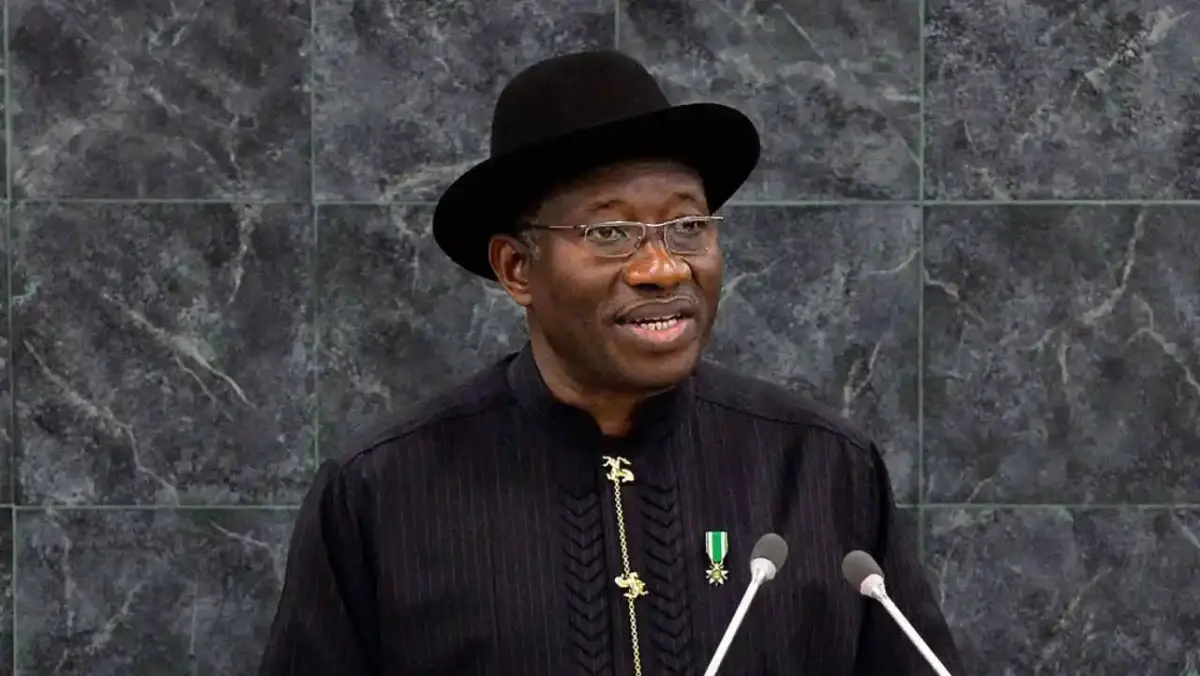
The incident occurs against a backdrop of increasing tensions within Nigerian politics, particularly as the country navigates complex electoral dynamics. Jonathan, who served as president from 2010 to 2015, remains a significant figure in Nigerian political life, and any potential return to the presidential race would carry substantial implications. The Turaki faction represents one segment of a party that has experienced internal divisions in recent years, complicating its efforts to present a unified front against the ruling party.
Beyond the immediate controversy, Agbedi’s statements reflect broader anxieties about the health of Nigerian democracy. His call for citizens to remain vigilant in defending democratic space and constitutional freedoms resonates with civil society groups and international observers who have noted concerning patterns in how authorities sometimes handle political opposition. When security forces prevent legally organized political activities, it raises fundamental questions about whether democratic institutions can function without interference from state apparatus.
Looking ahead, this confrontation between the PDP and law enforcement is likely to fuel further debate about the boundaries of political freedom in Nigeria. Whether authorities will face accountability for the blockade remains uncertain, but the incident has already energized discussions about protecting democratic norms. As Nigeria continues its political journey, incidents like this will test whether the country can maintain robust political competition and whether opposition parties can operate without undue interference from security forces tasked with maintaining order rather than choosing political sides.










Leave a comment