

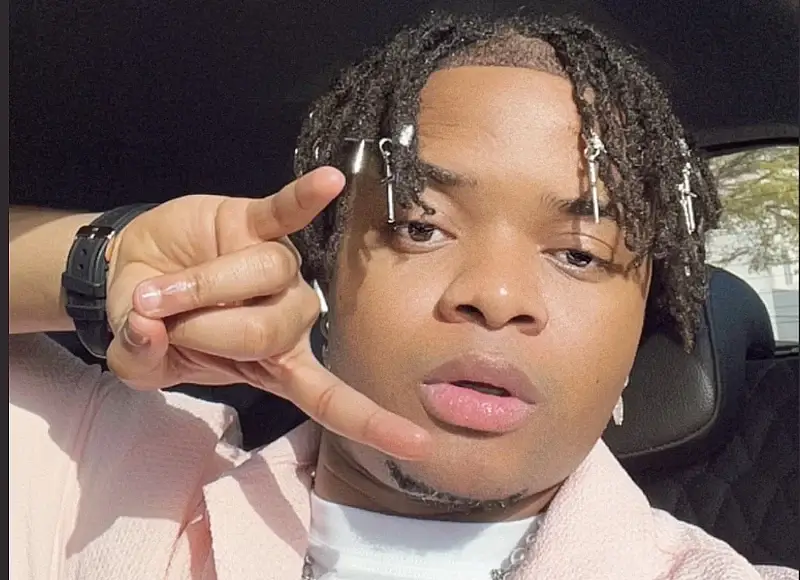
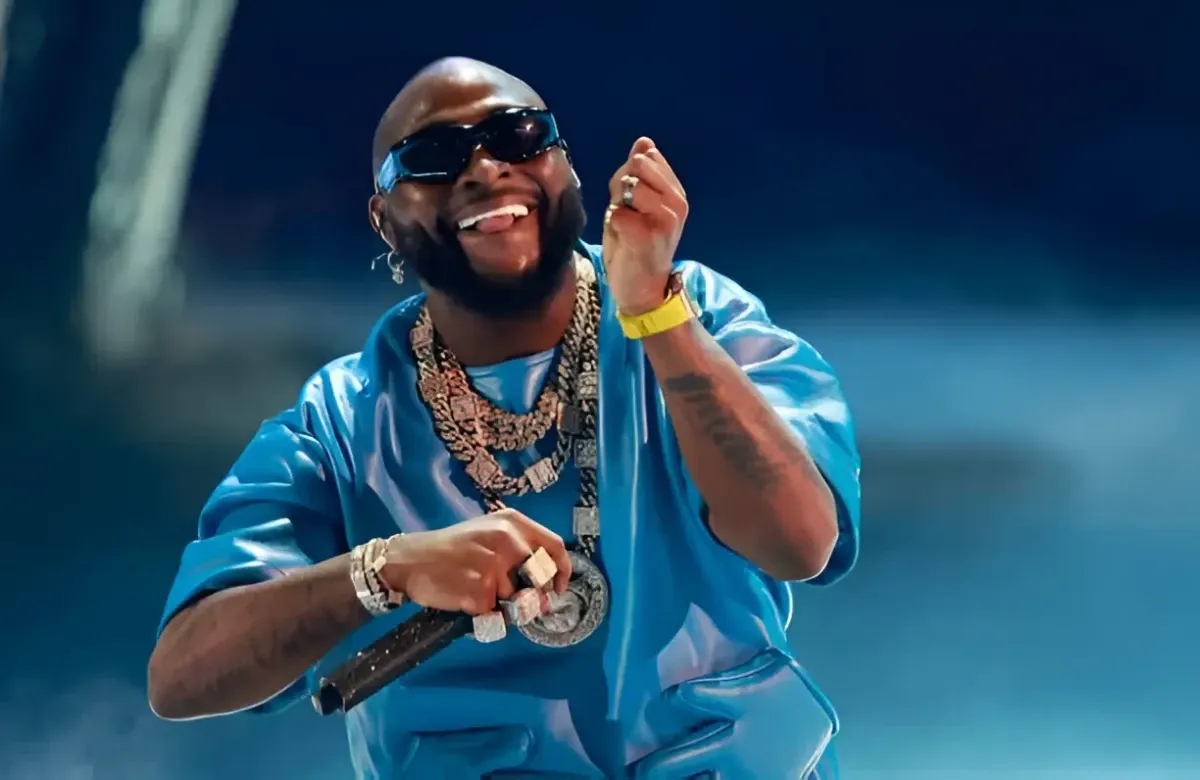
When Charles Chibueze Chukwu, known professionally as Crayon, exploded onto Nigeria’s music scene under Mavin Records in 2019, he embod the dreams of countless aspiring artists seeking their breakthrough moment. Yet by March of this year, that same relationship had soured dramatically. In a series of raw, unfiltered social media posts that sent shockwaves through the industry, Crayon accused his label of unequal support, stalled career development, unpaid royalties, and what he described as a suffocating system that controlled his artistic voice. His claim that the label collected around $200 million from recent investments without distributing his share illuminated a deeper conflict playing out across Nigeria’s booming music industry.
Crayon’s public grievance represents just one flashpoint in a broader reckoning between Nigerian artists and the traditional label system. Oniyide Azeez, performing as Zinoleesky, recently parted ways with Marlian Music to launch his own imprint, Zinodict Music, signaling his determination to chart an independent path. While the separation appeared amicable on the surface, industry observers noted underlying tensions that reflected longstanding questions about label practices and artist treatment. These high profile departures mark a decisive shift in how Nigerian musicians approach their careers, with younger artists increasingly prioritizing ownership and direct control over their creative output.

At the heart of these disputes lies a fundamental misunderstanding about master recording ownership. Many artists believe that uploading their songs to streaming platforms automatically grants them full ownership and control over those recordings. Reality proves far more complex. When a record label owns the master recording, it possesses the specific rights to that particular sound recording, which remains entirely separate from the underlying composition consisting of lyrics, melody, and musical structure. Master ownership confers sweeping powers including distribution rights across physical and digital formats worldwide, monetization rights for streams and downloads, YouTube Content ID management, synchronization licensing for film and television placements, and neighbouring rights that collect royalties from public performances.
Revenue flows through a deceptively straightforward but frequently misunderstood pipeline. Once a master recording reaches streaming platforms like Spotify, Apple Music, or YouTube, those services generate income from user subscriptions, advertising, and per stream payments. Crucially, that revenue flows first to whoever owns the master recording, typically the label rather than the performing artist. From there, the label deducts recoupable expenses such as production costs, marketing budgets, and advances previously paid to the artist before distributing any remaining profits according to the terms negotiated in the original recording contract. For artists who signed disadvantageous deals early in their careers, this arrangement can mean receiving only a small fraction of the total revenue their music generates, even as streaming numbers climb into the millions.
Industry professionals acknowledge that the traditional label model, while providing crucial infrastructure and financial backing for emerging artists, often creates imbalanced power dynamics that favor corporate interests over individual creators. Labels argue they shoulder significant financial risk by investing in unproven talent, funding expensive recording sessions, and deploying marketing resources without guarantee of commercial success. Artists counter that once their music achieves profitability, the contractual terms that seemed reasonable during their struggle for recognition become exploitative arrangements that trap them in unfavorable conditions for years or even decades. As digital distribution has lowered barriers to entry and artists can now reach global aunces without traditional gatekeepers, the value proposition of signing away master rights has diminished considerably.
Looking forward, Nigeria’s music industry stands at a crossroads between old and new models of artist development and revenue distribution. Younger musicians entering the scene today possess far greater awareness of intellectual property rights, streaming economics, and alternative pathways to success than previous generations. Independent distribution platforms, direct to fan marketing through social media, and the rise of artist friendly financing options have created viable alternatives to traditional label deals. Whether elished labels will adapt by offering more equitable partnership structures or continue losing top talent to independent ventures remains an open question. What seems certain is that the era of artists blindly signing away their master rights in exce for uncertain promises of stardom is rapidly coming to an end, replaced by a generation demanding transparency, fair compensation, and control over the music they create.
You May Like















Leave a comment