

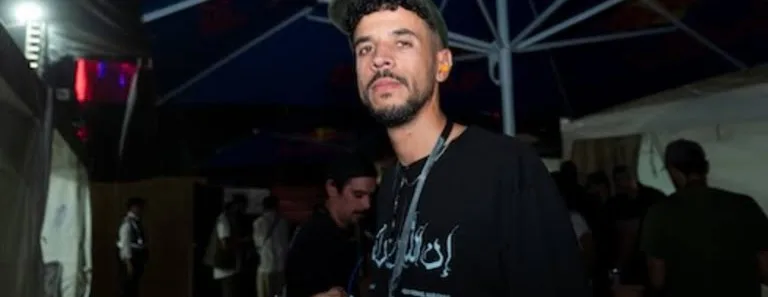
A prominent Moroccan rapper and documentary filmmaker known for his fierce criticism of the country’s political elishment has been ordered into pre-trial detention, according to human rights organizations and judicial sources familiar with the case. El Mahdi Lyoubi, whose work has increasingly challenged government policies and social inequalities, was detained Wednesday by order of Casablanca’s public prosecutor. The move has sparked immediate concern among civil liberties advocates who view the detention as the latest example of authorities targeting artists and activists who dare to speak out against the status quo.
Lyoubi has built a reputation over recent years as one of Morocco’s most unflinching cultural voices, using both music and film to document social issues and challenge what he describes as systemic injustices. His documentary work has focused on marginalized communities and government accountability, while his rap lyrics often contain pointed commentary on corruption and political repression. Such direct criticism of Moroccan authorities remains risky in a country where red lines around discussion of the monarchy and state institutions are closely guarded, despite constitutional provisions guaranteeing freedom of expression.
Human rights groups monitoring the case have not yet received detailed information about the specific charges being brought against the artist. Authorities in Morocco have historically employed a range of legal provisions to prosecute critics, including laws relating to national security, public morality, and defamation. Pre-trial detention can extend for months under Moroccan law, often leaving defendants in legal limbo while investigations proceed. Legal experts note that the vagueness of certain statutes gives prosecutors considerable latitude in how they apply the law to cases involving political speech.
Morocco’s cultural scene has experienced growing tensions in recent years as a new generation of artists, rappers, and social media influencers push boundaries that previous generations largely respected. Authorities have responded with a crackdown that has seen numerous arrests and prosecutions of musicians, journalists, and activists. Rights organizations have documented dozens of cases where individuals faced legal consequences for social media posts, song lyrics, or public statements deemed offensive to state institutions. The trend has created a chilling effect that many observers believe threatens the country’s reputation as one of North Africa’s more progressive societies.
International human rights organizations have repeatedly called on Moroccan authorities to respect constitutional guarantees of free expression and to cease using criminal prosecution as a tool to silence dissent. Freedom of artistic expression has become a particular flashpoint, with rap music emerging as a powerful medium for young Moroccans to voice frustrations about unemployment, inequality, and limited political freedoms. Several high profile cases in recent years have seen rappers sentenced to prison terms for lyrics that authorities deemed insulting or threatening to public order, drawing condemnation from advocacy groups worldwide.
Lyoubi’s detention is likely to intensify scrutiny of Morocco’s human rights record at a time when the government seeks to maintain its image as a moderate, reform minded partner to Western democracies. Legal proceedings in the case will be closely watched by both domestic civil society organizations and international observers who see it as a bellwether for the space available to critical voices in the kingdom. Whether prosecutors proceed with formal charges and what penalties they might seek remains unclear, but the outcome will send a powerful signal about the limits of permissible dissent in contemporary Morocco.
You May Like














Leave a comment