

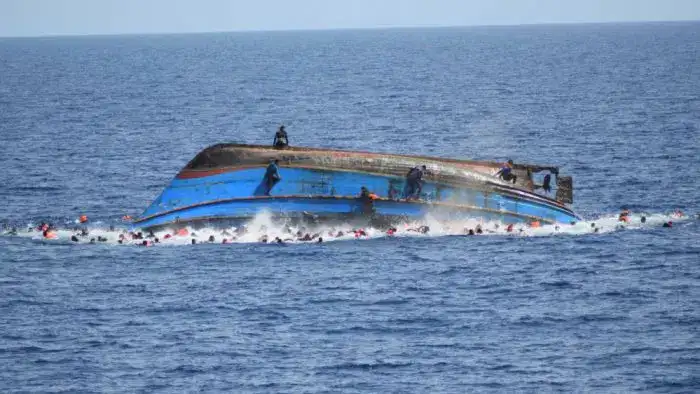
At least 50 migrants are feared dead or missing after a boat carrying approximately 60 people capsized off the coast of eastern Libya on Tuesday, marking yet another catastrophic loss of life in the Mediterranean Sea. Among those aboard were women and children seeking passage to European shores, a journey that has claimed hundreds of lives already this year. Only 10 survivors managed to swim to safety on nearby Bardaa Island, near the coastal city of Tobruk, according to Coast Guard authorities in the region.
The tragedy unfolds against a grim backdrop of mounting casualties along one of the world’s most dangerous migration routes. More than 800 migrants were reported dead or missing in the central Mediterranean between January 1 and May 16 this year, according to the International Organization for Migration. Last year’s toll was even higher, with more than 1,300 people perishing or disappearing on the same route. Search and rescue operations continue as authorities hold little hope of finding additional survivors from Tuesday’s capsizing.
Libya has emerged as the dominant transit point for migrants fleeing conflict and poverty across Africa and the Middle East, despite the country’s own descent into chaos following the 2011 NATO backed uprising that toppled longtime ruler Moammar Gadhafi. Years of political inility and the absence of a functioning central government have created ideal conditions for smuggling networks to flourish. Criminal organizations now operate with near impunity, packing desperate migrants into vessels wholly inadequate for Mediterranean crossings.
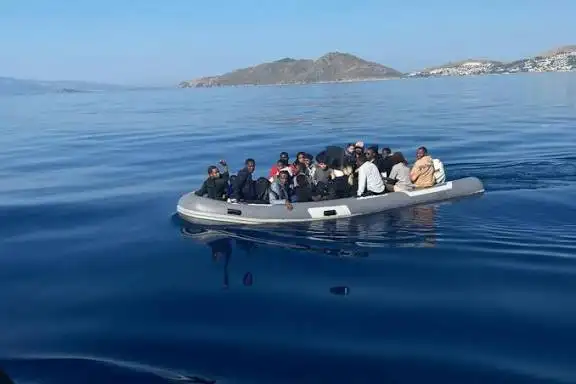
Human smugglers routinely overload small, unseaworthy boats with far more passengers than safety regulations would permit, prioritizing profit over human life. Many vessels lack basic safety equipment such as life jackets, communication devices, or adequate fuel for the journey. Migrants often depart with little understanding of the risks they face, having paid their life savings for passage on boats that frequently break down, capsize, or run out of fuel far from shore. Last month, another shipwreck off eastern Libya resulted in 51 migrants dead or missing, a stark reminder that each attempted crossing carries the possibility of tragedy.
European Union nations have struggled to develop a coherent response to the migration crisis, torn between humanitarian obligations and domestic political pressures to restrict arrivals. While some advocate for expanded legal pathways to migration and enhanced search and rescue operations, others push for border enforcement and partnerships with North African governments to prevent departures. Libya’s fractured political landscape complicates any coordinated international effort, as multiple authorities claim jurisdiction over different parts of the country’s extensive coastline.
As summer weather improves crossing conditions, migration experts anticipate further attempts and likely additional trages in the months ahead. International organizations continue to call for safer migration channels and increased support for countries hosting displaced populations, arguing that enforcement alone cannot address the root causes driving people to risk their lives at sea. Until meaningful alternatives emerge, the Mediterranean will likely continue to serve as both pathway and graveyard for those seeking refuge and opportunity in Europe.




















Leave a comment