

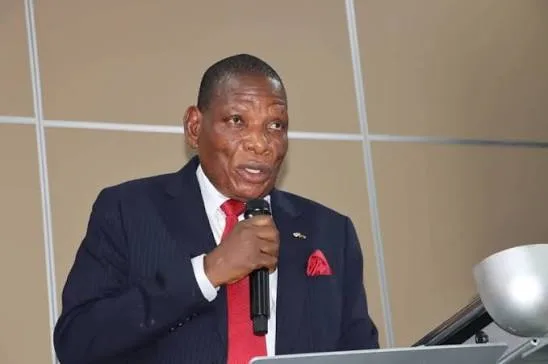
Malawi’s government has introduced a domestic financing strategy to protect its social safety nets as the nation prepares for a steep decline in foreign aid. Finance Minister Joseph Mwanamvekha launched the Social Protection Financing Strategy aimed at mobilising local revenue and reducing dependence on international donors, with key foreign partners expected to significantly scale back funding beyond 2030.
The new framework targets revenue generation through restructured fuel levies, improved mining sector revenue capture, and stricter pension compliance enforcement. Cash transfers, public works projects, and school meal programs currently support millions of vulnerable Malawians. The government says it’s racing against time to secure sustainable funding before external assistance dries up.
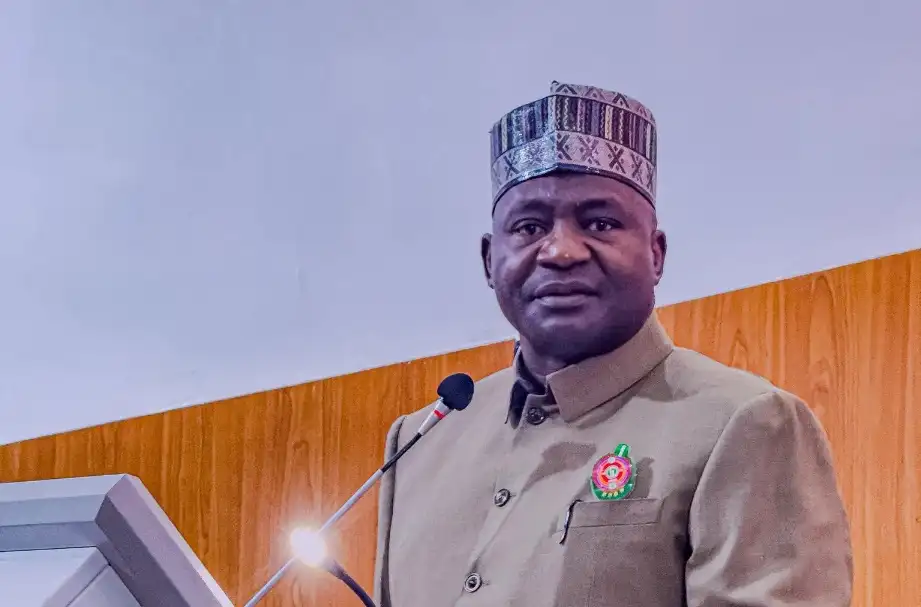
Speaking at the launch, Mwanamvekha framed social protection as an economic imperative rather than fiscal burden. “Social protection is not just a cost, it is an investment in human capital,” he said, noting that programs directly reduce poverty, improve nutrition, and enhance long-term productivity.
Mary Navicha, Minister of Gender, Children and Social Welfare, stressed that a self-sustaining funding mechanism is critical to preventing humanitarian shortfalls. The strategy also promises better coordination between government ministries and private stakeholders to streamline distribution and reduce inefficiencies. Whether Lilongwe can generate sufficient domestic resources remains the central question facing policymakers.
















Leave a comment