

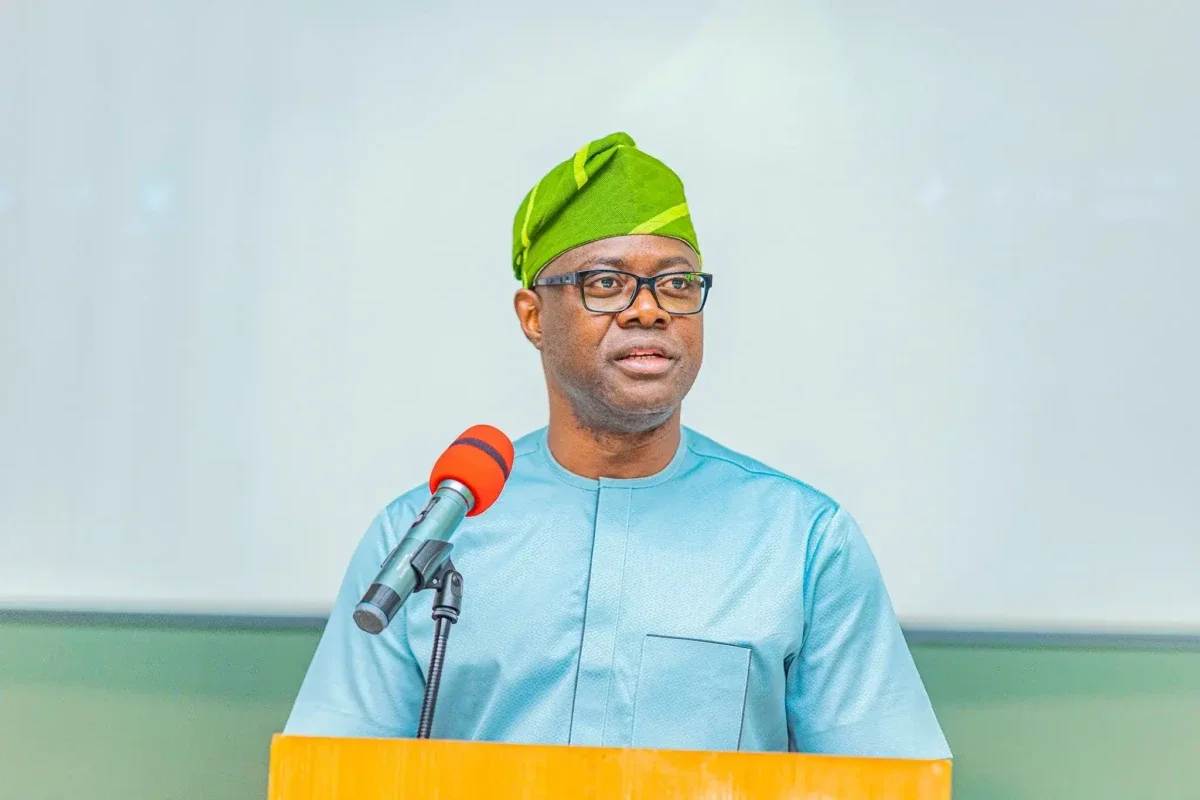
Governor Seyi Makinde has warned against the dangers of one party dominance in Nigeria’s political system, drawing historical lessons from the violent “Operation Wetie” crisis that shook the South West in the mid 1960s.
Speaking at a national summit of opposition leaders in Ibadan, Makinde referenced the aftermath of the disputed 1965 Western Region elections, which triggered widespread unrest known as Operation Wetie. The term, derived from Yoruba, described the brutal practice of setting political opponents and their property ablaze.

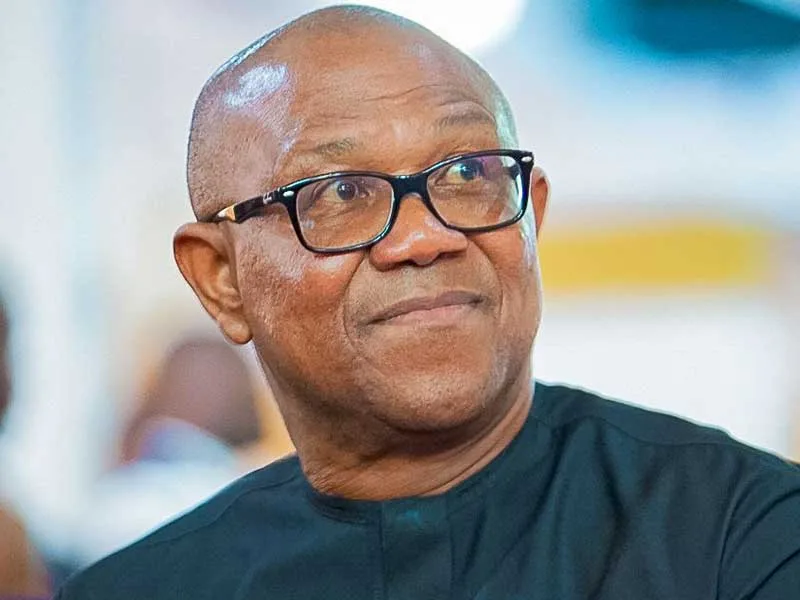
The summit brought together prominent political figures including Atiku Abubakar, Rabiu Musa Kwankwaso, Rotimi Amaechi, Peter Obi, and Rauf Aregbesola.
Makinde cautioned that current political trends show signs of attempts to consolidate legislative power under a single party, while opposition groups struggle with internal divisions and legal disputes. According to him, such developments pose a serious threat to democratic ility.
He stressed that democracy thrives on viable alternatives, warning that when opposition parties become ineffective, citizens lose meaningful choices. He added that democratic erosion happens gradually, often unnoticed until public confidence is deeply weakened.
Highlighting Ibadan’s historical role in shaping Nigeria’s political evolution, Makinde noted that past constitutional discussions in the city were driven by necessity and a shared vision for the country’s future. He urged political actors to approach current challenges with the same sense of responsibility.
Also speaking at the event, political economist Pat Utomi painted a grim picture of Nigeria’s economic reality. He shared a personal experience of spending nearly 250000 naira on fuel, contrasting it with reports that many Nigerians survive on less than 100000 naira monthly.
Utomi pointed to rising food prices, insecurity affecting agriculture, and widespread hardship as signs of a deeper systemic crisis. He argued that beyond economic issues, Nigeria faces a moral leadership challenge, emphasizing that sustainable national development requires integrity and vision.













Leave a comment