

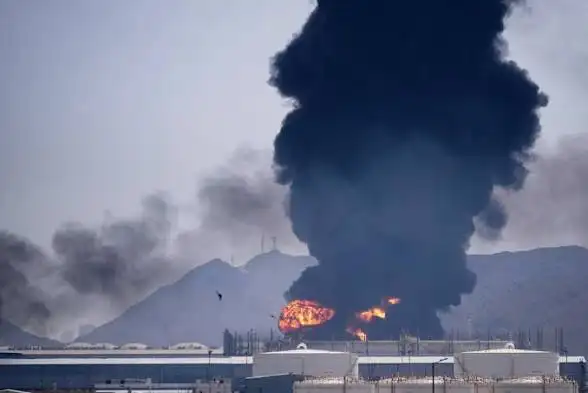
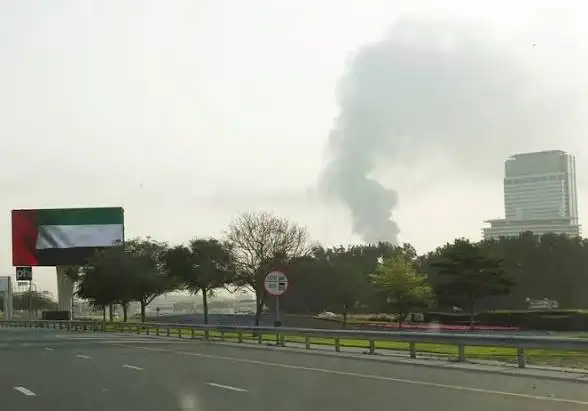
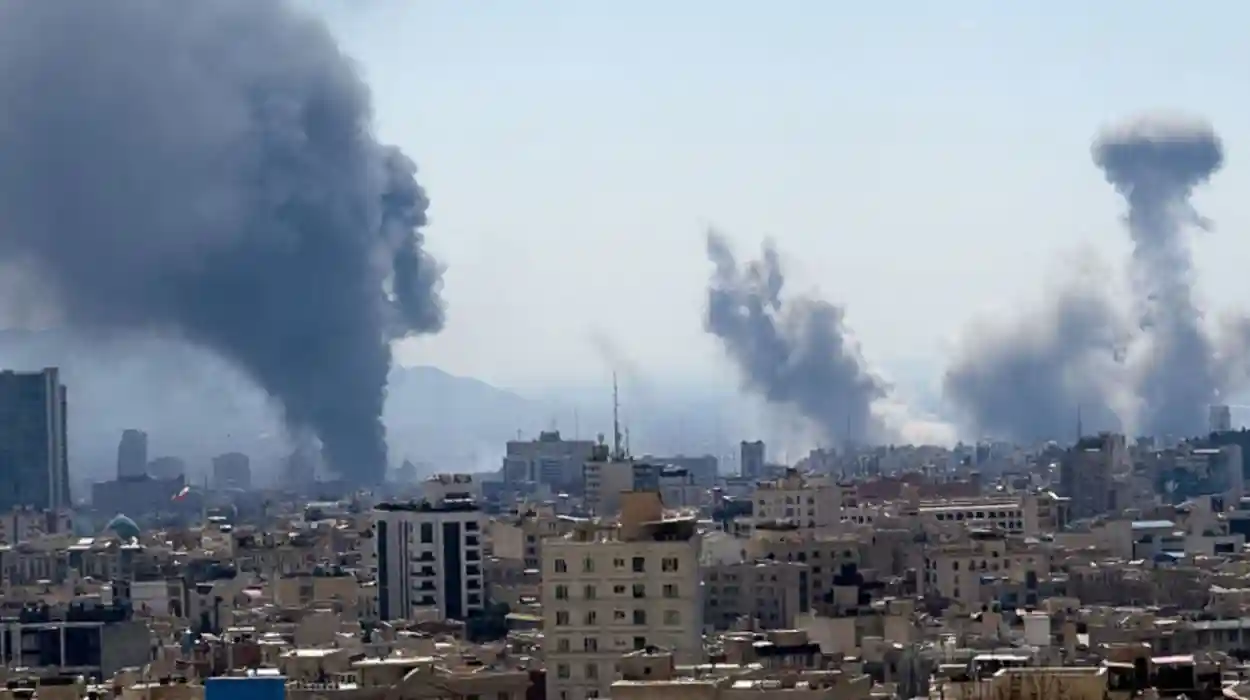
Iranian missile and drone operations have extended across several Gulf states, causing significant disruption to infrastructure and forcing temporary airspace closures in parts of the region. Authorities in the United Arab Emirates confirmed that key areas experienced damage, while aviation regulators implemented precautionary measures to ensure passenger safety. The incidents have heightened concerns over the vulnerability of critical facilities and the growing reach of the ongoing regional conflict.
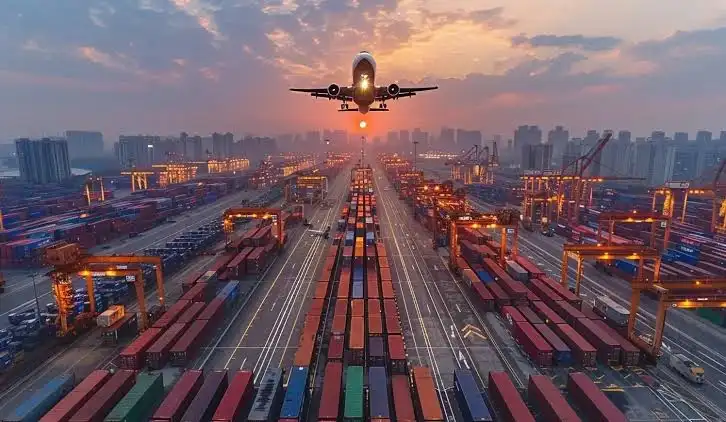
Officials in affected countries reported that emergency systems were activated as incoming projectiles were detected, with air defense units working to intercept threats. Despite these efforts, some infrastructure sustained damage, prompting swift responses from local authorities to contain the impact and restore essential services. Airports in several locations halted or redirected flights for a period, leading to delays and logistical challenges for international travel and trade.
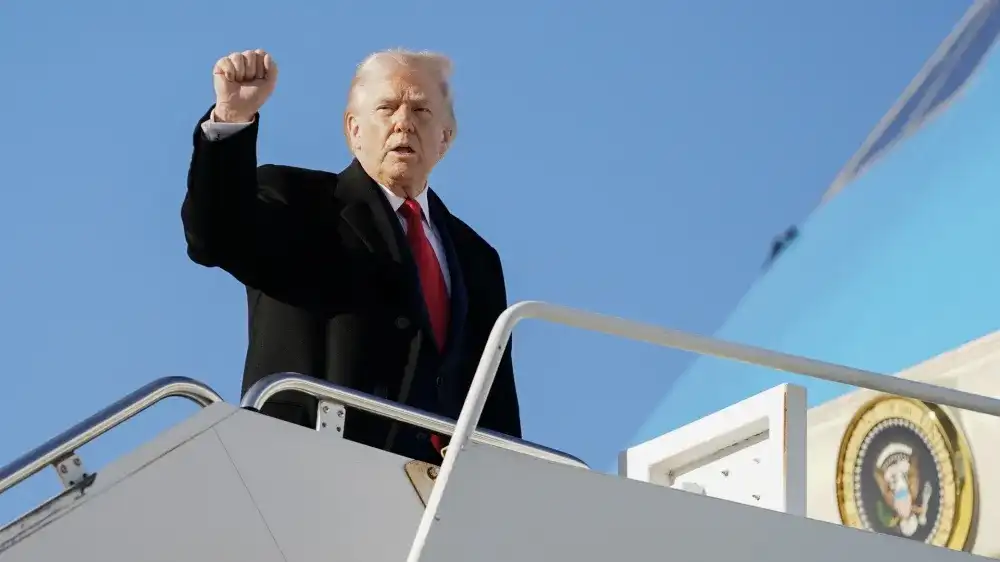
The escalation underscores the increasing complexity of the conflict, as military activities move beyond traditional battle zones into economically vital areas. Analysts note that targeting or impacting infrastructure in Gulf states carries broader implications for global energy markets and regional security arrangements. The disruption of air travel and concerns over energy facilities have already contributed to rising uncertainty among investors and policymakers worldwide.
Regional governments have issued strong statements condemning the incidents and reaffirming their commitment to protecting national sovereignty. At the same time, they have called for international cooperation to address the growing threat environment. Defense coordination among Gulf countries is expected to intensify, with a focus on improving detection systems and response capabilities in light of recent events.
As tensions continue to rise, the situation remains fluid, with the potential for further disruptions if hostilities persist. Observers emphasize the importance of diplomatic efforts to reduce risks and prevent the conflict from expanding even further. For now, authorities across the Gulf are balancing immediate security concerns with efforts to maintain economic ility and public confidence in the face of ongoing uncertainty.













Leave a comment