
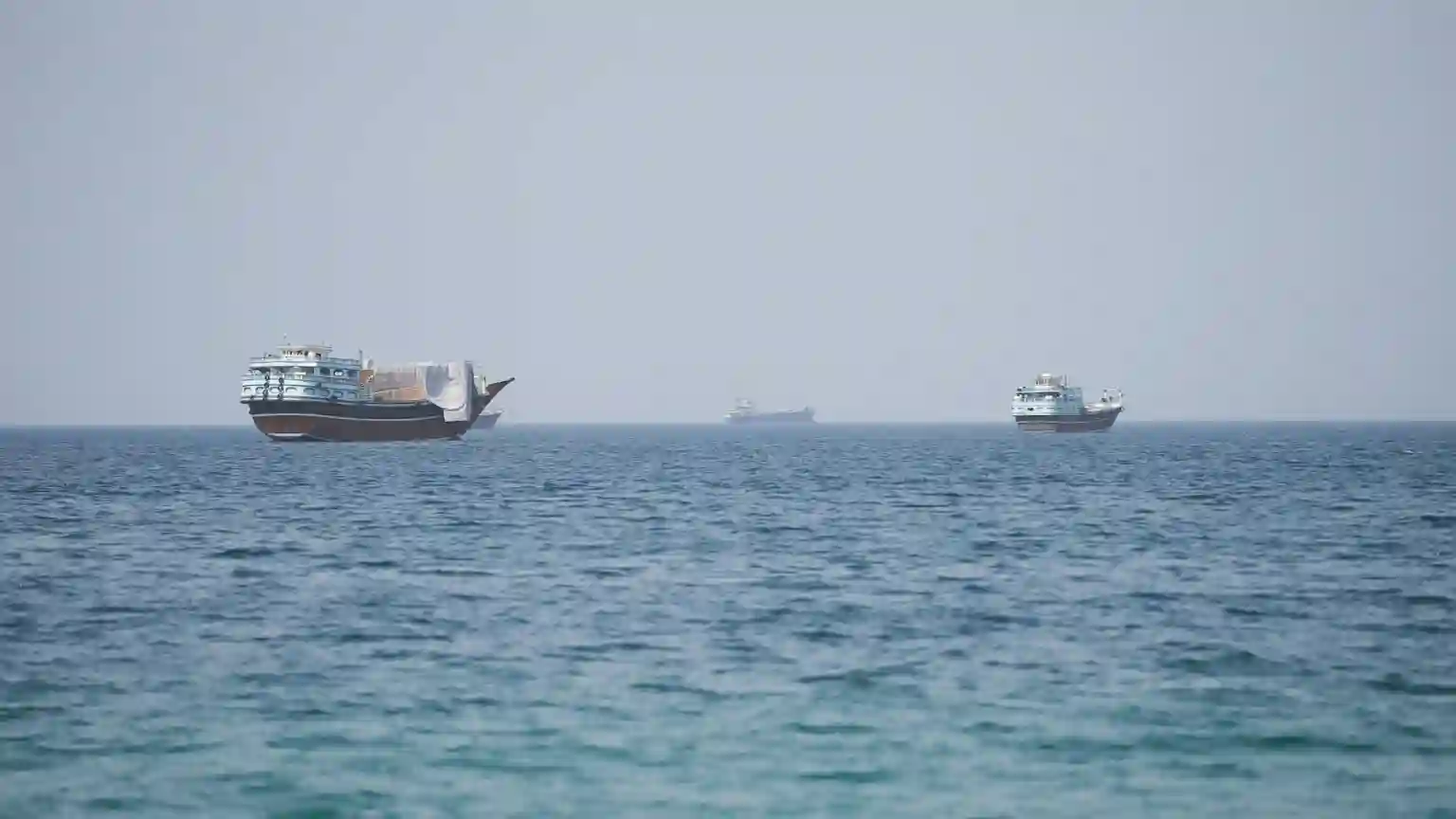
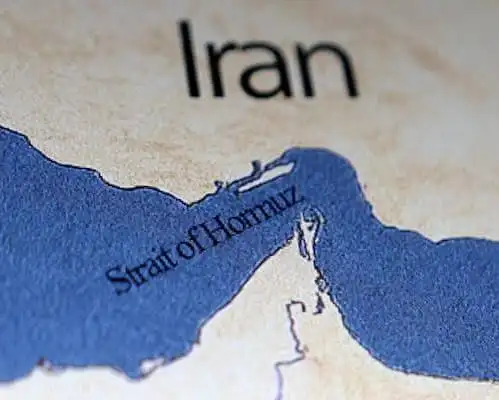
Iran has presented a new set of demands aimed at reopening the strategically vital Strait of Hormuz, signaling that both Tehran and Washington are beginning to feel the economic strain of their ongoing confrontation over one of the world’s most critical oil shipping lanes. The demands come as global energy markets remain volatile and international pressure builds for a diplomatic resolution to a crisis that threatens to deilize the global economy.
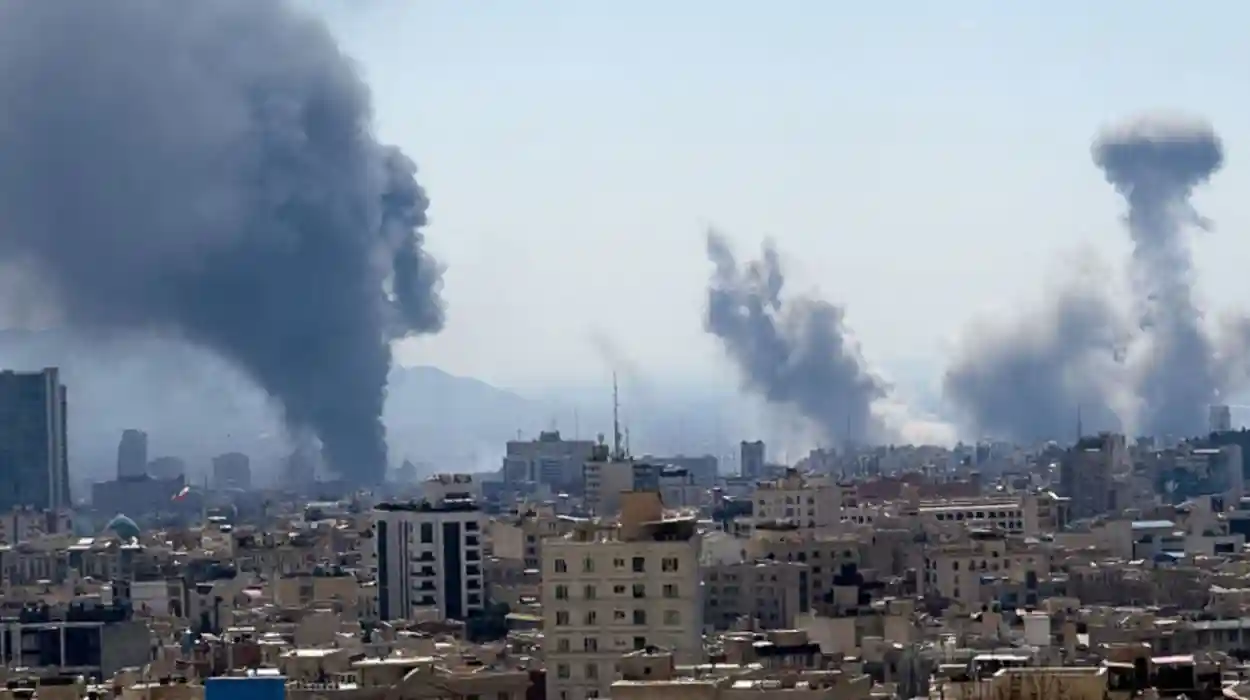
Nearly one fifth of the world’s petroleum passes through the narrow Strait of Hormuz, making it an economic chokepoint of extraordinary importance. Any prolonged closure sends shockwaves through energy markets worldwide, driving up fuel costs and threatening economic growth across both developed and developing nations. Iran’s decision to effectively blockade the waterway has already resulted in significant disruptions to global oil supplies, with prices fluctuating wildly as traders assess the likelihood of a prolonged standoff.
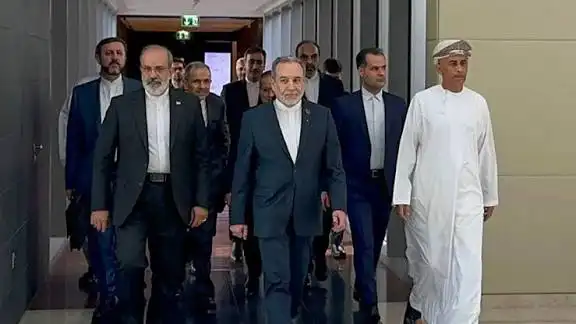
While specific details of Tehran’s latest demands have not been fully disclosed, officials familiar with the negotiations suggest they likely include calls for sanctions relief, security guarantees, and recognition of what Iran describes as its sovereign rights in the Persian Gulf region. Washington faces a delicate balancing act between maintaining pressure on Iran through economic sanctions and avoiding a full scale military confrontation that could draw in regional allies and adversaries alike. The economic costs are mounting on both sides, with Iran’s already struggling economy facing further deterioration while American consumers and businesses contend with higher energy prices.
Regional security experts warn that the situation remains deeply unle despite the apparent willingness of both parties to engage in indirect negotiations. Previous attempts to resolve similar standoffs have collapsed amid accusations of bad faith and miscalculation. International shipping companies continue to reroute vessels at considerable expense, while insurance premiums for tankers operating in the region have skyrocketed. European and Asian nations that depend heavily on Middle Eastern oil imports have begun exploring alternative supply routes, though none can fully replace the volume that typically flows through Hormuz.
The diplomatic chess match over the strait reflects broader tensions that have defined relations between Washington and Tehran for decades. Energy security concerns, nuclear proliferation fears, and competing visions for regional influence all factor into the current crisis. Neither side appears willing to make the kind of significant concessions that might break the deadlock, even as the economic pain intensifies. Analysts note that domestic political considerations in both countries complicate efforts to find common ground, with hardliners on each side warning against any appearance of weakness.
Looking ahead, the international community faces a narrow window to broker a face saving compromise that allows both nations to step back from the brink without appearing to capitulate to pressure. Gulf states, European powers, and Asian economic giants all have stakes in seeing normal shipping resume through the strait. Whether Tehran’s latest demands represent a genuine opening for negotiation or merely another tactical move in a longer game of brinkmanship remains unclear. What is certain is that the economic costs of continued closure will only accelerate, forcing difficult decisions in capitals from Washington to Tehran and beyond.
You May Like









Leave a comment