


Hungary has vetoed a proposed sanctions package by the European Union against Russia, citing concerns linked to an oil pipeline dispute and energy security implications.
The decision, announced during a meeting of EU foreign ministers in Brussels, has temporarily stalled the adoption of new measures aimed at tightening economic pressure on Moscow over its war in Ukraine. Sanctions packages require unanimous approval among member states, giving individual governments significant leverage.
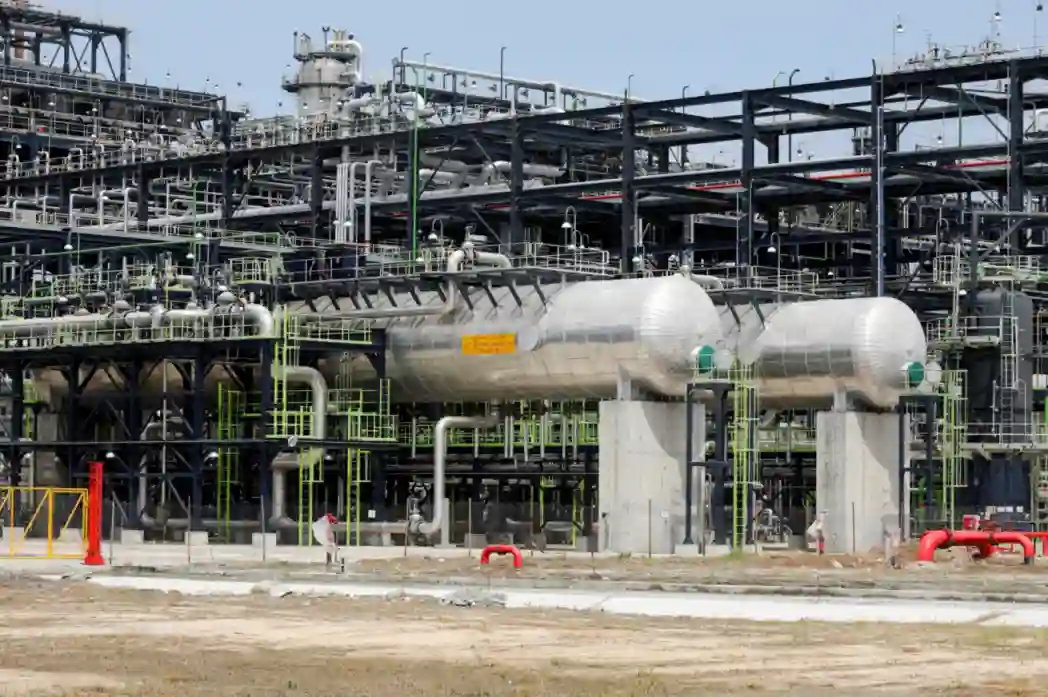
Hungarian officials argued that additional restrictions could jeopardize national energy supplies, particularly given the country reliance on pipeline imports. Budapest has previously sought exemptions or adjustments to EU energy related sanctions, emphasizing domestic economic considerations.
Other member states expressed disappointment at the impasse, stressing the importance of maintaining unity in response to Russian actions. Several diplomats indicated that negotiations would continue in an effort to address Hungarian concerns while preserving the overall sanctions framework.
The oil pipeline dispute at the center of the disagreement highlights broader tensions within the bloc over balancing geopolitical objectives with energy security. Since the start of the conflict, the EU has worked to diversify supply sources and reduce dependence on Russian hydrocarbons, but disparities remain among member states.
Analysts say the veto underscores the complexity of coordinating collective foreign policy within a union of diverse economies and political priorities. It also raises questions about the pace and scope of future sanctions initiatives.
European officials have reiterated their commitment to supporting Ukraine and sustaining pressure on Russia. Discussions are expected to resume in the coming days as diplomats explore potential compromises.
The episode reflects ongoing diplomatic wrangling within the EU as it navigates the intersection of energy needs, economic resilience and strategic alignment.



















Leave a comment