

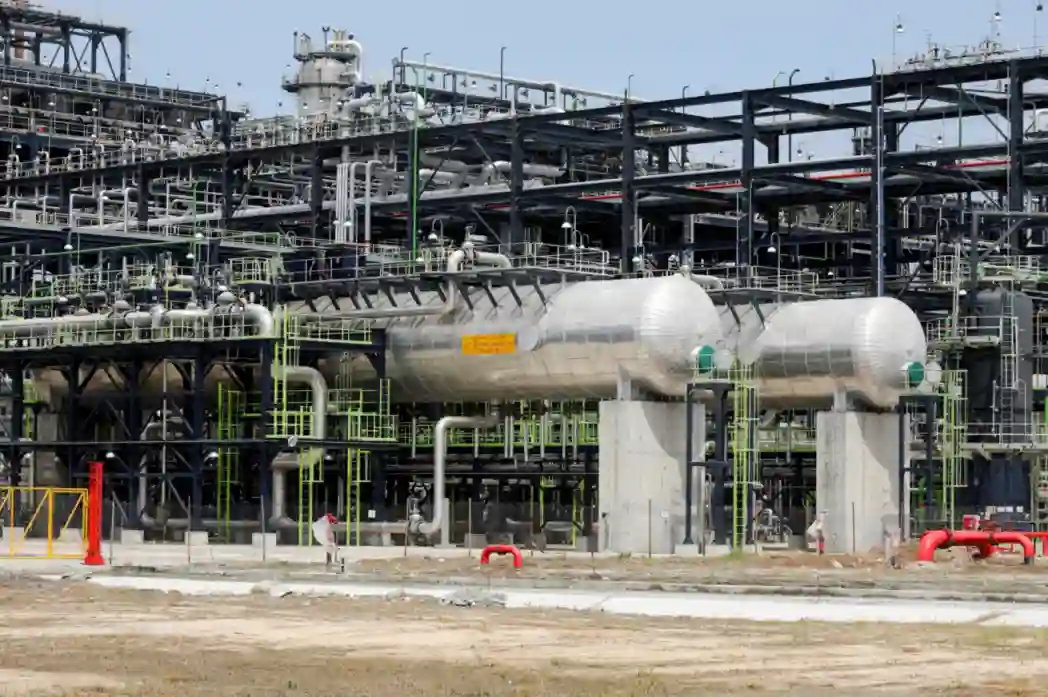
Nigeria local refineries received only 28.5 million barrels of crude oil in the first quarter of 2026 despite higher volumes offered by producers under the Domestic Crude Supply Obligation framework according to new data from the Nigerian Upstream Petroleum Regulatory Commission.
Figures released by the Commission show that 61.9 million barrels were allocated to domestic refineries during the period while producers collectively offered 68.7 million barrels however actual deliveries were much lower with refiners lifting just 28.5 million barrels representing a conversion rate of 36 to 46 per cent.

This situation highlights ongoing concerns about the gap between crude availability and refinery intake raising questions about Nigeria refining capacity and energy security goals.
In a statement the Commission said enforcement of the Domestic Crude Supply Obligation continues under the Petroleum Industry Act and that producers have shown willingness to meet supply targets but market realities affect final delivery outcomes.
The Commission added that pricing differences between producers and domestic refiners remain a major factor influencing the volume of crude actually delivered under the willing buyer willing seller arrangement.
Despite the challenges the regulator reaffirmed its commitment to improving crude supply for local refineries and supporting national energy sufficiency through the existing policy framework.
The Domestic Crude Supply Obligation introduced under the Petroleum Industry Act is designed to prioritize local refining but data from the first quarter of 2026 shows persistent gaps between allocation and actual supply.
This development underscores the need for stronger coordination between producers and refineries as well as more effective pricing mechanisms to ensure that allocated crude volumes translate into actual deliveries that support Nigeria refining ambitions and reduce dependence on imported petroleum products in the coming years.
It also highlights importance of transparency and investment in local refining capacity to achieve long term energy security objectives.






















Leave a comment