

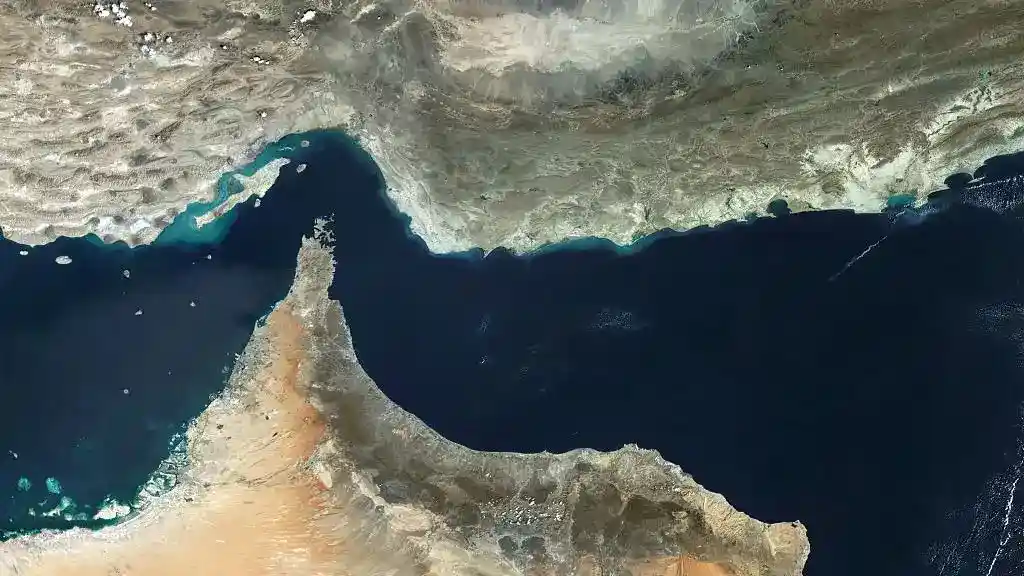
Rising tensions involving Iran and threats against oil tankers passing through the Strait of Hormuz have forced several countries in the Gulf region to explore alternative export routes for crude oil.
The narrow waterway is considered one of the most critical energy chokepoints in the world, with nearly 20 percent of global oil consumption passing through it during normal conditions. The disruption has sparked concerns about the ility of global energy supply and the ability of alternative routes to meet demand.

According to the International Energy Agency, Saudi Arabia and the United Arab Emirates are capable of rerouting part of their crude oil exports through pipelines and terminals located outside the Gulf. The agency noted that this could help offset some of the supply disruptions caused by restricted access to the Strait of Hormuz.
However, energy data intelligence firm Kpler warned that these alternative export channels remain insufficient to fully replace the usual flow of oil through the strait.
The firm reported that even with record shipments from the ports of Fujairah in the United Arab Emirates and Yanbu in Saudi Arabia, total Middle Eastern exports currently stand at only about one third of their normal levels.
Normally, about 20 million barrels of oil per day pass through the Strait of Hormuz, with the majority of shipments heading to major Asian economies such as China, India, South Korea and Japan.
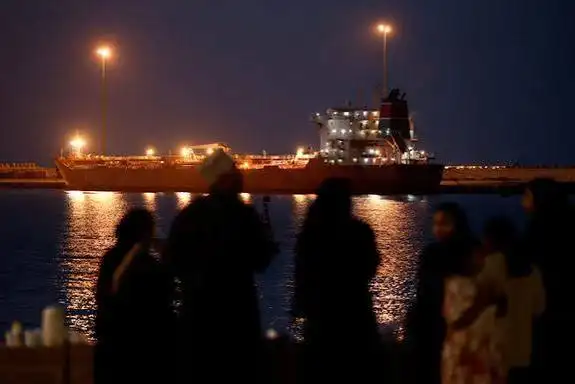
The International Energy Agency also reported that around 350 oil tankers, both loaded and empty, are currently stranded near the area due to the heightened security risks. Only about 80 ships have successfully passed through the strait since the conflict began on February 28.
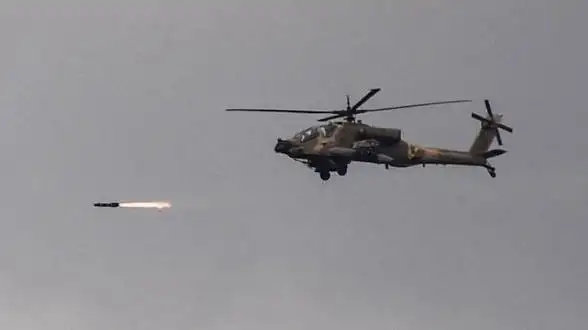
Iran has warned that vessels belonging to the United States and its allies could be considered legitimate targets, increasing fears of further disruptions to global energy trade.
Some countries in the region are attempting to bypass the chokepoint. Saudi Arabia is relying on its East West pipeline which links oil facilities near Abqaiq to the Red Sea port of Yanbu, allowing exports to bypass the Gulf entirely. Saudi energy giant Saudi Aramco said the pipeline is expected to reach its maximum capacity of seven million barrels per day.
Meanwhile, the United Arab Emirates has been exporting crude through the port of Fujairah on the Gulf of Oman. However, experts say the volumes remain limited compared with normal export levels.
Analysts also noted that other potential routes such as pipelines through Turkey or Central Asia face operational challenges or security threats.
Energy experts at Rystad Energy warned that the conflict is placing significant strain on the global energy system.
Before the crisis, analysts had predicted oil prices would average around 60 dollars per barrel in 2026 due to a global surplus. Since the conflict began, however, prices have fluctuated between 80 and 120 dollars per barrel, with the benchmark Brent crude hovering around the 100 dollar mark.
You May Like


















Leave a comment