


Nigerian gospel musician Yinka Alaseyori has issued a heartfelt public apology after facing intense criticism over comments she made regarding the abduction of schoolchildren and teachers in Oyo State. Her initial call for prayers to support government efforts sparked outrage across social media, with Nigerians demanding concrete action rather than religious appeals in response to the escalating security crisis.
Bandits stormed Community High School in Ahoro Esinele, located in Oriire Local Government Area of Oyo State, on May 15, 2026, abducting seven teachers and several students in a brazen daylight . Hours after the kidnapping, the gunmen released a disturbing video showing the beheading of one of the teachers, sending shockwaves through communities nationwide and intensifying fears about the safety of educational institutions. The brutal incident has galvanized labour unions, parents, and concerned citizens to stage protests across Nigeria, demanding immediate government intervention and the safe return of the victims.

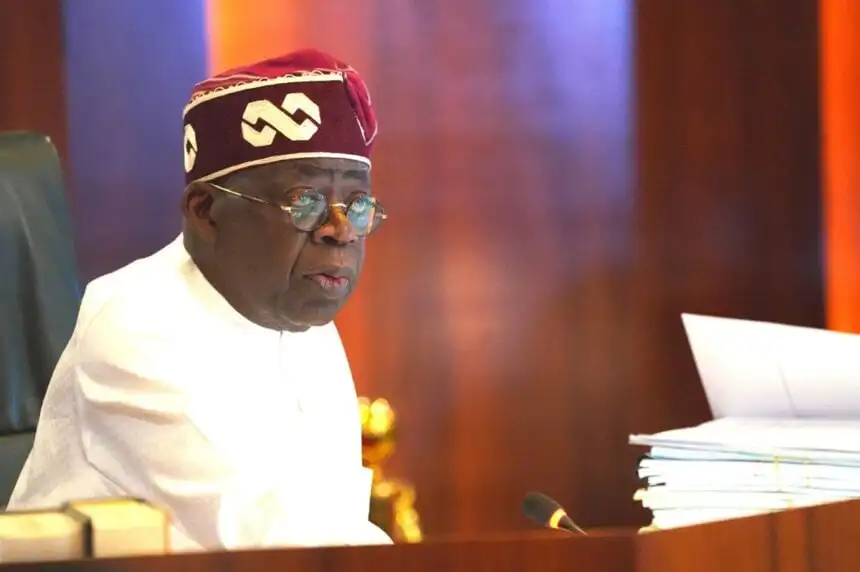
In a video posted on Monday, Alaseyori urged Nigerians to support President Bola Tinubu and security agencies through prayer, noting that the government was working toward securing the release of the kidnapped victims. Her remarks, however, were met with swift and severe backlash from Nigerians across all segments of society, including high profile celebrities who took to social media platforms to express their disappointment. Critics accused the singer of being tone deaf and insensitive to the gravity of the situation, arguing that a security crisis of this magnitude requires decisive governmental action, strategic security measures, and accountability rather than reliance on religious appeals alone.
By Wednesday, Alaseyori had released a follow up video in which she offered an unreserved apology to offended Nigerians. Addressing mothers and grieving families directly, she explained that her original video had been approximately one and a half hours long and featured extensive prayers for the kidnapped children, their families, government agencies, the military, and all Nigerians affected by insecurity. She expressed distress upon discovering that a shortened version of her message had circulated widely, creating an impression that contradicted her intentions. The gospel singer, visibly emotional, insisted that she never meant to make anyone feel unheard or unseen, pleading for forgiveness from those who felt she had been insensitive to their pain.
The controversy highlights a deeper tension within Nigerian society about the appropriate response to the country’s worsening security challenges. While faith remains central to Nigerian culture and many citizens turn to prayer during crises, there is growing frustration with what some perceive as a reliance on spiritual solutions at the expense of demanding tangible action from elected officials. Security analysts have repeatedly warned that kidnapping incidents, particularly those targeting schools, require comprehensive strategies including improved intelligence gathering, adequate funding for security forces, community policing initiatives, and political will at the highest levels of government.
As the abducted teachers and students remain in captivity, pressure continues to mount on federal and state authorities to demonstrate effective crisis management and ensure their safe return. Whether Alaseyori’s apology will satisfy her critics remains to be seen, but the incident serves as a stark reminder that public figures must navigate carefully when commenting on national trages. Moving forward, Nigerians will be watching closely to see whether their government can translate words and prayers into the concrete security outcomes that have remained frustratingly elusive in recent years.




















Leave a comment