

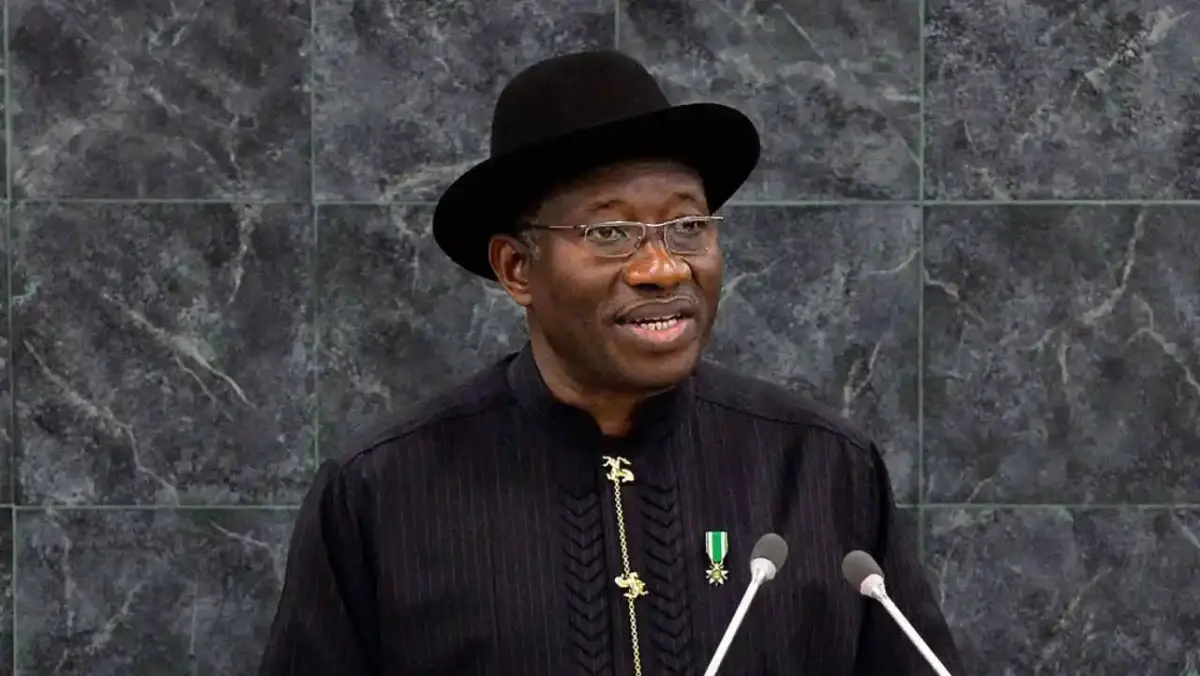
Former President Goodluck Jonathan has revealed dramatic details of how he risked his life to broker peace in the volatile Niger Delta region, entering a heavily armed militant camp without security protection in a high stakes gamble that would ultimately reshape the region’s trajectory. Speaking at the De Mangrove Conversation in Yenagoa on Monday, Jonathan disclosed that as vice president, he defied explicit warnings from security chiefs to meet with militants on their own terms, a decision that would prove pivotal in elishing the Niger Delta Amnesty Programme that remains in operation today.
The event, organised in collaboration with the Bayelsa State Government, the Niger Delta Development Commission, the Nigerian Content Development and Monitoring Board, Renaissance Africa Energy and the Goodluck Jonathan Foundation, provided the platform for the former president to reflect on one of the most dangerous moments of his political career. Jonathan recalled flying to Warri with his security detail, only to receive an ultimatum from the militants at Camp One that no weapons would be permitted in their territory. Any armed presence, they warned, would trigger an immediate firefight. Senior security officials were adamant that the vice president should abandon the mission entirely.
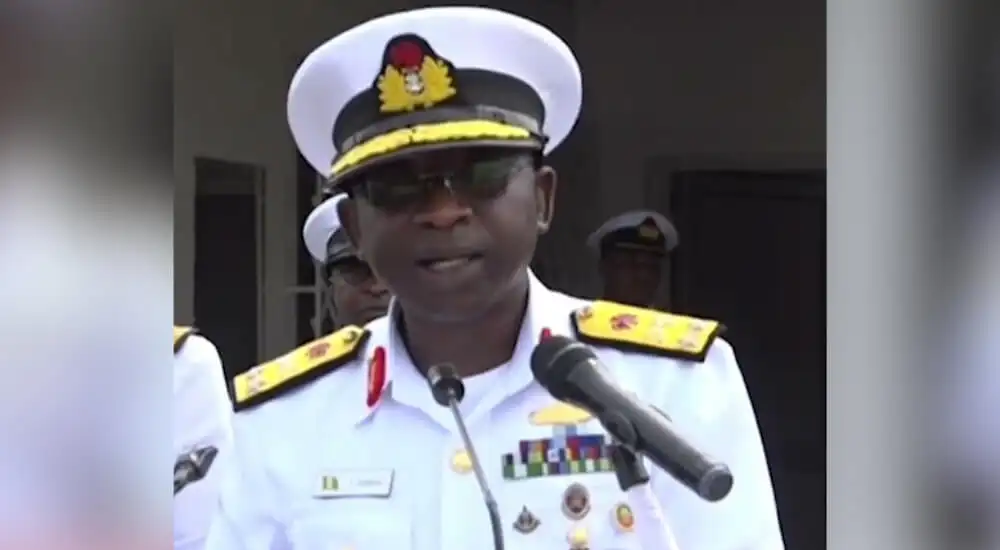
Despite strong objections from both the Delta State Commissioner of Police and the State Director of the State Security Service, Jonathan insisted on proceeding with the visit. He ordered that only his Chief Security Officer and Aide de Camp could accompany him, and crucially, both men were instructed to hand over their weapons to the senior security officials before entering militant territory. The scene that awaited him at the camp underscored the gravity of the risk he had accepted. Two lines of armed young men flanked his path, their assault rifles on full display, creating a corridor through which the unarmed vice president and his two companions walked to reach the negotiation venue.
The meeting itself lasted approximately ninety minutes, during which Jonathan engaged directly with the militant leadership whose actions had disrupted oil facilities and operations across the region. Camp One, as he noted, commanded respect and fear among other militant groups operating in the Niger Delta, making its leadership central to any meaningful peace process. Jonathan emphasised that his unique background as a scientist, governor, vice president and eventually president gave him particular insight into the multifaceted challenges confronting the oil rich but environmentally degraded region. His willingness to meet the militants on their terms, without the typical trappings of state power and security, proved instrumental in building the trust necessary for productive dialogue.
Looking back on that pivotal encounter, Jonathan stressed that the development of the Niger Delta must remain a national priority, arguing that lasting peace in the region cannot be achieved without addressing the twin challenges of environmental degradation and decades of systematic neglect. The amnesty programme that emerged from those tense negotiations represented more than just a ceasefire. It offered a pathway for militants to lay down their arms in exce for training, rehabilitation and reintegration into society, fundamentally altering the security landscape of the region that produces the bulk of Nigeria’s oil wealth.
As Nigeria continues to grapple with security challenges across multiple regions, Jonathan’s account serves as a reminder of the personal courage and calculated risk taking that can sometimes prove necessary to break cycles of violence. Whether current and future leaders will demonstrate similar willingness to engage directly with armed groups, and whether the lessons of the Niger Delta Amnesty Programme can be applied to other conflicts, remains an open question. What seems certain is that without sustained attention to the underlying grievances that fuel such conflicts, including environmental destruction and economic marginalisation, the hard won peace that Jonathan risked his life to achieve will remain fragile and incomplete.


















Leave a comment