

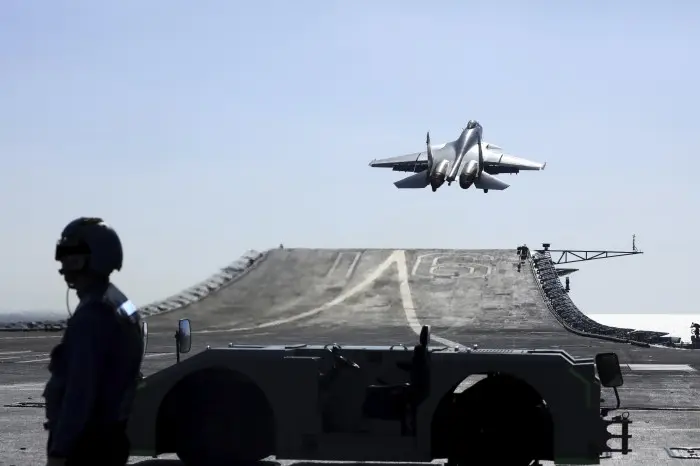
Elite former Royal Air Force fighter pilots have been secretly recruited by China to train military aviators in advanced combat tactics, earning hundreds of thousands of pounds in what defence officials are calling a grave national security breach. The revelation has sent shockwaves through the Ministry of Defence and raised urgent questions about how retired military personnel with access to classified knowledge can be prevented from selling their expertise to potential adversaries.
According to sources familiar with the matter, the former pilots, some of whom served as Top Gun style instructors during their RAF careers, have been teaching Chinese military aviators sophisticated techniques for aerial combat, including ods to engage and destroy enemy aircraft. The training programmes, believed to have been running for several years, offer salaries that far exceed what these veterans could earn in civilian aviation roles in the UK. Some pilots are understood to have received contracts worth several hundred thousand pounds annually, creating a powerful financial incentive that has proven difficult for authorities to counter.
Defence analysts warn that the knowledge transfer represents a significant strategic threat to Western air superiority. Former RAF pilots possess intimate understanding of NATO tactics, aircraft capabilities, and operational procedures that could prove invaluable to Chinese military planners seeking to modernize their air force. The training provided by these veterans could help Chinese pilots overcome the experience gap that has historically favoured Western air forces, potentially altering the balance of power in contested regions such as the Taiwan Strait and the South China Sea.
British security services have been aware of Chinese recruitment efforts targeting former military personnel for some time, but legal frameworks to prevent such activity have proven inadequate. Unlike countries such as Australia, which recently introduced legislation making it a criminal offence for former military personnel to train foreign militaries without permission, the UK has relied primarily on voluntary codes of conduct and moral suasion. Officials acknowledge that without stronger legal tools, preventing retired servicemembers from accepting lucrative overseas contracts remains extremely challenging.
The Ministry of Defence has declined to comment on specific cases but confirmed it takes the matter seriously and is reviewing what additional measures might be necessary to protect sensitive military knowledge. Former senior military figures have called for urgent legislative action, arguing that the current situation creates an unacceptable risk to national security. Some have suggested that retired personnel with access to classified information should face restrictions on foreign employment similar to those imposed on departing intelligence officers, who must seek approval before taking certain jobs abroad.
As geopolitical tensions continue to rise and competition between Western nations and China intensifies, the recruitment of former military pilots is likely to remain a contentious issue. Lawmakers are now under pressure to close legal loopholes before more veterans are tempted by lucrative offers from Beijing. The coming months will test whether the government can craft legislation that balances legitimate employment freedoms for veterans with the imperative to protect military secrets that could one day be used against British forces or those of allied nations.




















Leave a comment