

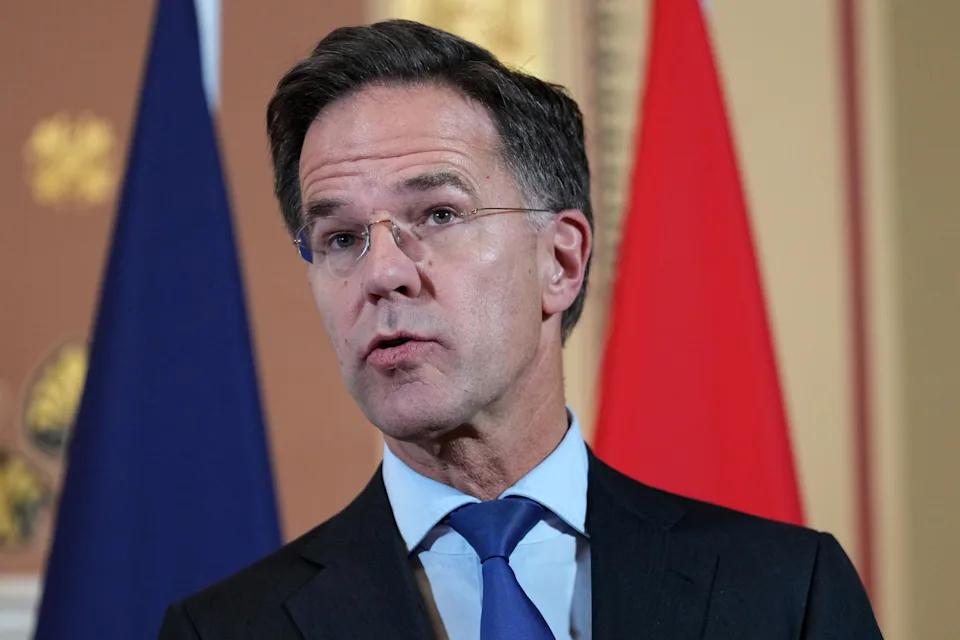
A spending shortfall in UK defence budgets would represent a serious concern for NATO allies, according to Anders Fogh Rasmussen, the former secretary general of the transatlantic alliance. His warning comes at a particularly sensitive moment for British defence policy, following the dramatic resignation of Defence Secretary John Healey earlier this month over what he described as inadequate funding to meet the alliance’s ambitious targets.
Healey stepped down on June 11 after concluding there was no credible pathway to reaching NATO’s commitment of spending 3.5% of GDP on core defence by 2035. His departure highlighted the growing tension between fiscal constraints and security obligations facing Western democracies. Speaking to the Press Association during a visit to London, Rasmussen carefully avoided commenting directly on British domestic politics but made clear that any gap in UK defence spending would reverberate across the alliance. He pointed to similar concerns about Spain, where Prime Minister Pedro Sanchez has raised doubts about commitments made at the NATO summit in The Hague.

Despite his concerns, Rasmussen was careful to acknowledge that Britain remains a reliable partner on defence and security matters, continuing to play an important role within NATO. Ministers have repeatedly pledged that the Defence Investment Plan will be published before the upcoming NATO summit beginning in Ankara on July 7, and insist the government remains committed to meeting alliance spending targets. Dan Jarvis, who replaced Healey as defence secretary, told a defence conference in London on Tuesday that he had already assured current NATO Secretary General Mark Rutte the target would be met and a credible plan would be produced. However, Jarvis conceded he had a significant job ahead to map out the precise trajectory to 3.5% spending by 2035.
Last year’s summit in The Hague saw NATO allies, including the United Kingdom, agree to spend 5% of GDP on defence amid intense pressure from then US President Donald Trump, who had questioned American support for the alliance and accused European nations of freeloading on US defence expenditure. Spain secured the only opt out, capping its commitment at 2.1% instead, up from its current level of around 1.2%. Under the agreement, allies committed to spending 3.5% of GDP on core defence and another 1.5% on measures to boost national resilience by 2035.
Rasmussen indicated that next month’s Ankara summit would likely see allies pressed to present clear plans and timelines for reaching the 5% target. However, he expressed concern that the 2035 deadline was too distant given intelligence warnings that Russia could be ready to NATO as early as 2030. As a former Danish prime minister, he pointed to his own country’s decision to reach 3.5% by 2030 as evidence such acceleration was realistic, noting that several Baltic states had made similar commitments. He acknowledged the challenge facing finance ministers who must choose between cutting spending in other areas or raising taxes, but argued the calculus was clear. While many finance ministers might say that being broke means being unsafe, he countered that failing to invest sufficiently in defence, or failing to do so fast enough, poses an even greater threat to security.
Beyond the spending levels themselves, Rasmussen called for a fundamental discussion at the Ankara summit about where defence budgets should be directed, arguing that NATO is not currently spending on the right priorities. He highlighted Ukraine’s success in developing new military capabilities, particularly drones and other high technology systems that prove both highly effective and less expensive than traditional legacy equipment. How NATO allies balance their books while retaining credible deterrence against an increasingly assertive Russia will define European security for the next decade. Whether Britain can chart a course that satisfies both its domestic fiscal pressures and its international obligations remains the critical question facing the new defence secretary and the government as a whole.

















Leave a comment