

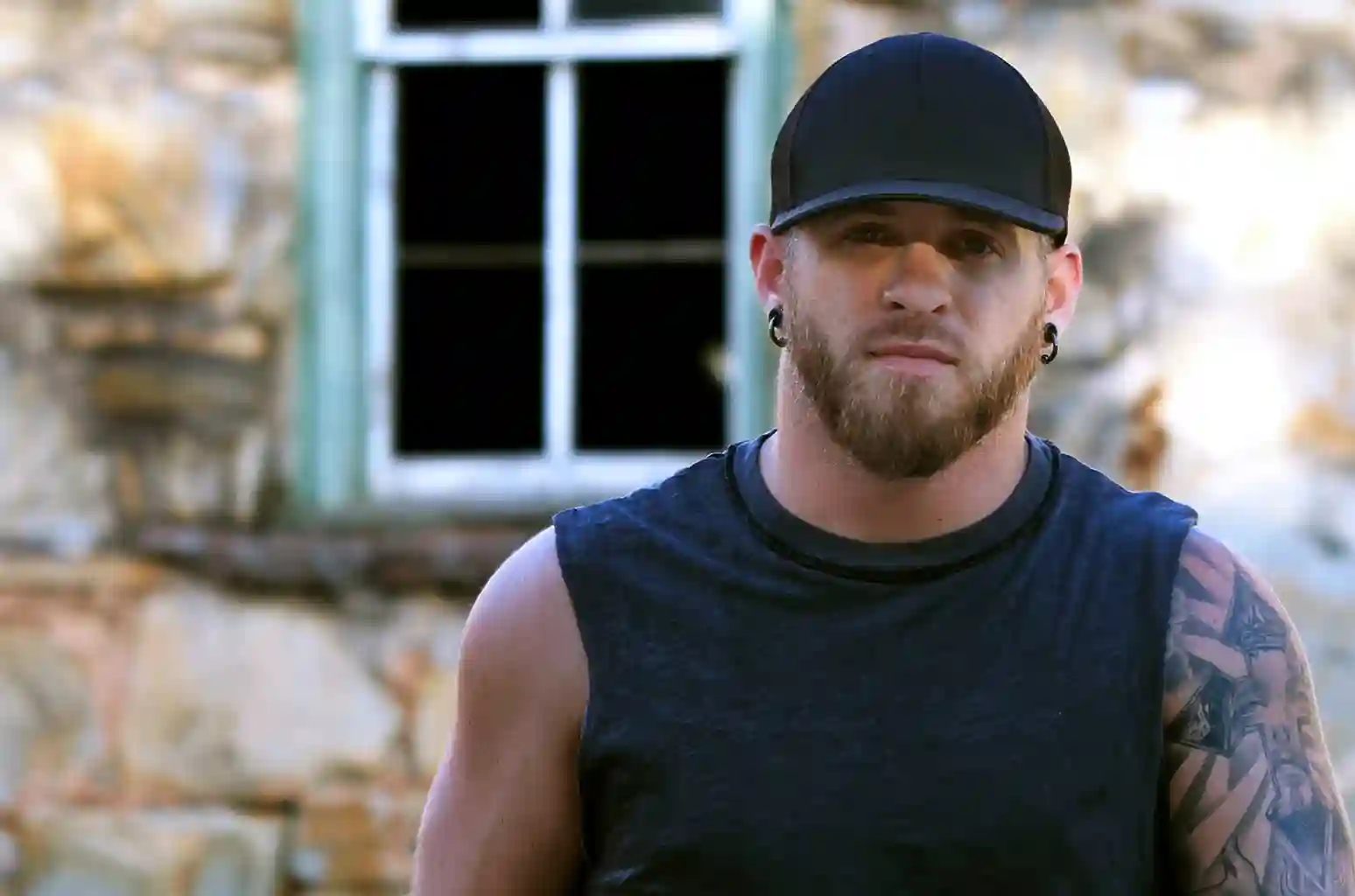
Country music star Brantley Gilbert is taking a public stand against fellow entertainers who commit to patriotic performances only to withdraw when faced with backlash. Speaking candidly on the Net Positive podcast, Gilbert expressed frustration with artists who fail to honor their professional commitments once public opinion turns against them. His comments come months after he performed at Turning Point USA’s alternative halftime show during the Super Bowl, a decision that drew significant criticism from some quarters but one he says he stands behind completely.
Gilbert, known for hits like Bottoms Up, made clear that his decision to perform at the event headlined by Kid Rock was driven by practical business considerations rather than political motivations. He explained that his children were able to watch two quarters of football before seeing their father take the stage, creating what he described as a meaningful family moment. At the time of the performance, Gilbert had recently signed with a new record label, making the high profile appearance a strategic career move. The singer emphasized that he approaches his career as both an artist and a businessman, noting that performers are compensated for their work and should treat their commitments accordingly.
The frustration Gilbert expressed centers on what he sees as a troubling pattern in the entertainment industry. Artists agree to participate in events that celebrate American patriotism or align with certain values, only to retreat when faced with social media backlash or criticism from industry peers. Gilbert made clear that he never viewed the Turning Point USA performance as divisive or politically charged, suggesting that the controversy surrounding such events is often manufactured or overblown. He dismissed concerns about the main Super Bowl halftime show featuring Bad Bunny, admitting he was unfamiliar with the Puerto Rican artist’s music and does not speak Spanish fluently enough to understand the lyrics.
Following the backlash he received for the Turning Point USA appearance, Gilbert issued a detailed statement reflecting on his values and the choices that have shaped his career. He described himself as a songwriter from Jackson County, Georgia, whose original ambition was simply to sell out a local theater and make a living writing songs. Gilbert also addressed his past struggles with addiction, acknowledging the poor choices he made but expressing pride in his decision to ce direction. He emphasized that his music serves as a vehicle for sharing his story with others who may be facing similar challenges, hoping to provide inspiration during their darkest moments.
Central to Gilbert’s worldview is a refusal to let political or cultural differences dictate how he treats others. He identified himself as a Christian who loves his country despite acknowledging its imperfections, and noted that he has dedicated part of his life to supporting military service members and the families of fallen solrs. Above all else, Gilbert stressed his roles as a husband and father of three, suggesting that family considerations weigh heavily in his professional decisions. His willingness to perform at the alternative halftime show was partly motivated by a desire to create a memorable experience for his children, allowing them to witness their father performing on a significant stage.
While Gilbert did not name specific artists who have withdrawn from patriotic or politically adjacent events, his criticism reflects broader tensions within the entertainment industry. Performers increasingly face pressure from fans, social media activists, and industry gatekeepers to align with particular political or social viewpoints. Some artists have pulled out of appearances at events organized by conservative groups or held in certain states, citing disagreements with policies or values. Others, like Gilbert, argue that entertainers should separate their personal beliefs from their professional obligations and honor commitments once made.
As the cultural and political landscape continues to polarize, artists across genres will likely face increasing pressure to signal their allegiances clearly. Gilbert’s outspoken defense of his choices suggests he is comfortable positioning himself as someone willing to perform for diverse aunces regardless of political affiliation. Whether other artists follow his example or continue to selectively withdraw from controversial appearances will shape the entertainment industry’s relationship with politically charged events in the years ahead. For now, Gilbert remains unapologetic about his decisions and critical of those who he believes lack the courage to stand by their professional commitments when facing public scrutiny.
You May Like













Leave a comment