


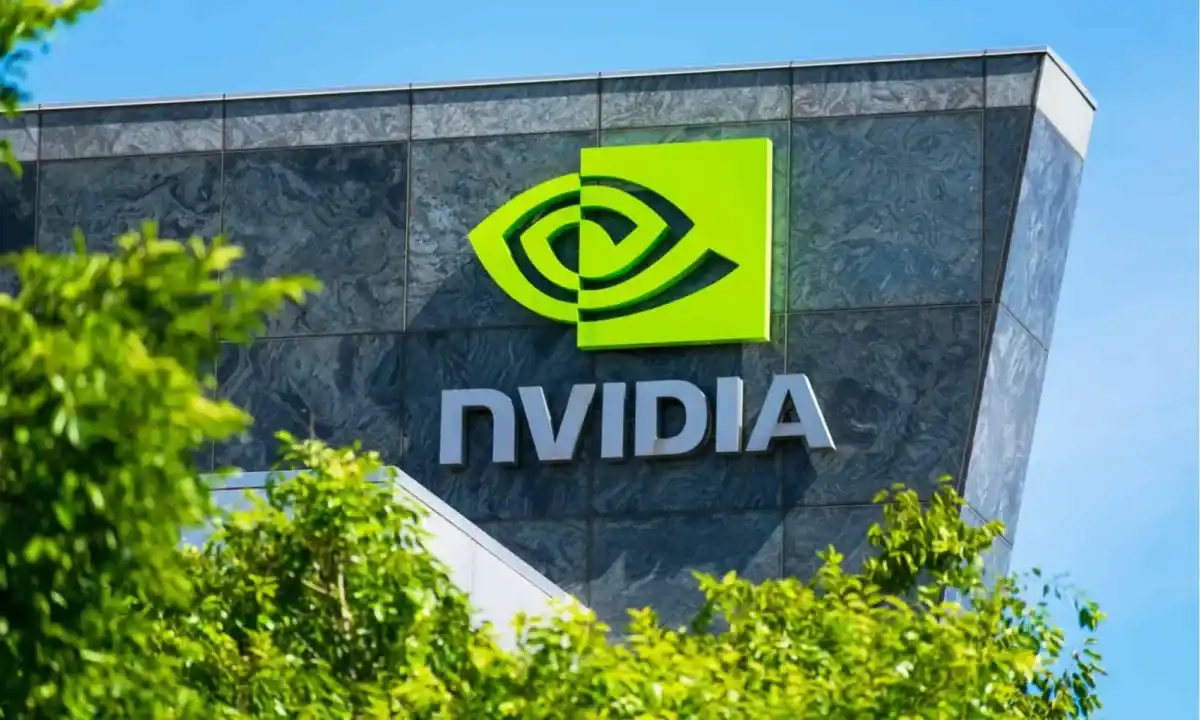
A United States official has alleged that Chinese artificial intelligence startup DeepSeek trained its latest AI model using advanced semiconductors produced by Nvidia that are subject to American export restrictions, raising fresh concerns about enforcement of technology controls.
According to the official, who spoke on condition of anonymity, the chips in question fall under export rules designed to prevent the transfer of high performance computing capabilities to certain Chinese entities. The United States has tightened controls over advanced graphics processing units and related components in recent years, citing national security considerations.
If confirmed, the allegation could signal a potential breach of export regulations or the use of indirect procurement channels to obtain restricted hardware. The Commerce Department has not publicly detailed the evidence supporting the claim, and DeepSeek has not issued an immediate response to the accusation.
Nvidia has previously stated that it complies with all applicable export laws and works closely with regulators to ensure adherence to restrictions. The company has also introduced modified versions of some chips tailored to meet export requirements for the Chinese market.
The dispute highlights the broader technological rivalry between Washington and Beijing, particularly in areas such as artificial intelligence, semiconductor manufacturing and advanced computing. US policymakers have argued that limiting access to cutting edge chips is essential to prevent military applications and safeguard national security.
China has criticized the export controls as an attempt to stifle its technological development. Chinese officials have pledged to accelerate domestic chip production and reduce reliance on foreign suppliers. Industry analysts note that despite restrictions, Chinese firms continue to pursue innovative workarounds, including optimizing software to run on less advanced hardware.
The latest development is likely to intensify scrutiny of global semiconductor supply chains and enforcement mechanisms. As governments seek to balance economic interests with security priorities, companies operating in the AI sector face increasing regulatory complexity and geopolitical risk.
You May Like


















Leave a comment