

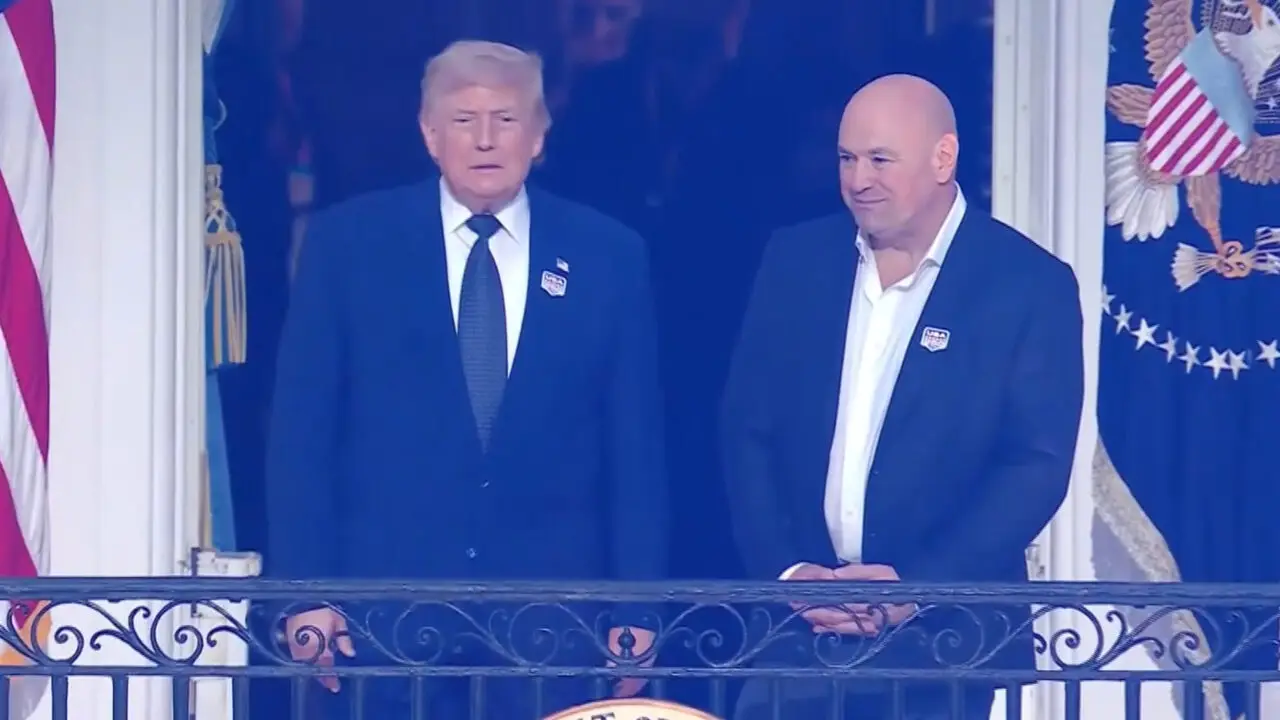
Sunday evening brought an unexpected convergence of geopolitics and spectacle as President Trump announced a peace agreement with Iran before hosting an 80th birthday UFC fight card on the White House lawn. The juxtaposition of high stakes diplomacy followed by mixed martial arts entertainment encapsulates the unconventional approach that has defined this administration, leaving both supporters and critics scrambling to assess what this moment means for American foreign policy.
The terms of the Iran agreement represent a significant shift in Middle Eastern power dynamics. Tehran has committed to abandoning its nuclear weapons program entirely, allowing the destruction of its highly enriched uranium stockpiles. The deal also stipulates that the Strait of Hormuz will reopen to international shipping without restrictions or harassment, addressing one of the most critical chokepoints for global energy markets. Perhaps most significantly, Iran has pledged to cease all funding for proxy militant groups including Hezbollah, Hamas, and the Houthis, potentially reshaping the regional security landscape for years to come.
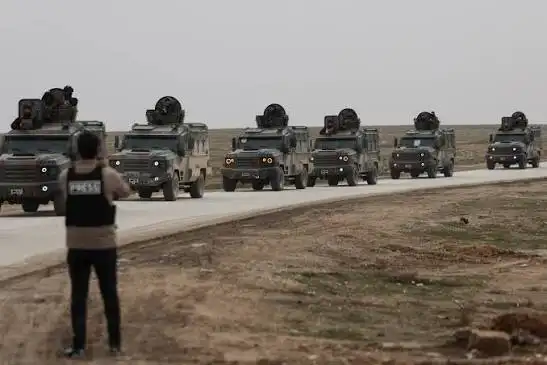
Reaction to the agreement has predictably divided along familiar political lines. Critics including former officials and Democratic lawmakers have expressed deep skepticism about Iran’s willingness to honor its commitments, pointing to decades of antagonism and broken promises between Washington and Tehran. Others have questioned whether the theatrical nature of the announcement and celebration undermines the gravity of the diplomatic achievement. Yet supporters argue that only unconventional pressure and credible threats of military action could have brought Iran to the negotiating table with such comprehensive concessions.
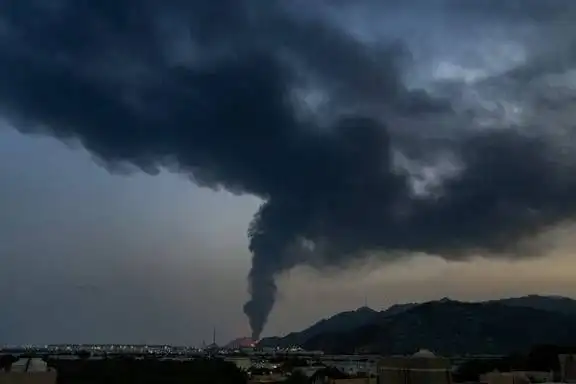
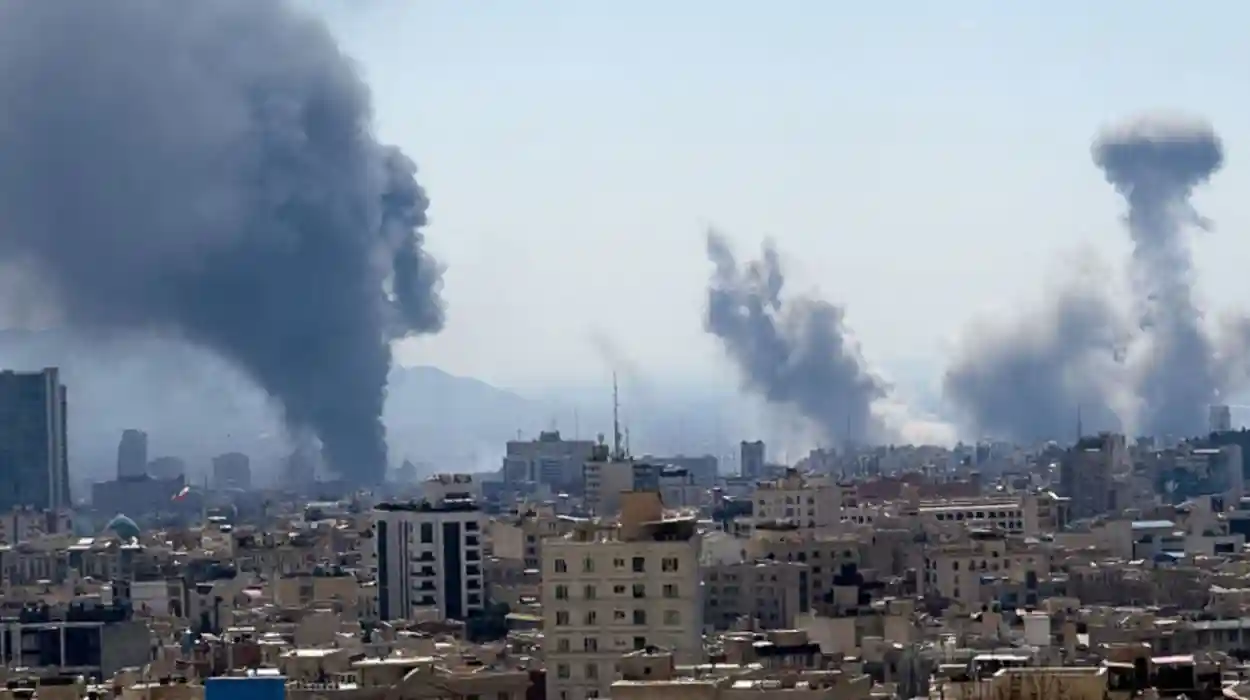
Complications emerged almost immediately when Israel responded to Hezbollah rocket s from Lebanon with airstrikes, prompting a sharp rebuke from the White House. Prime Minister Netanyahu’s calculus remains unced by the agreement. Israel has maintained a consistent policy of responding to every on its territory, a doctrine rooted in its national security imperatives. Hezbollah, facing the prospect of losing Iranian financial and military support, may be motivated to sabotage the deal through provocations that could reignite broader conflict.
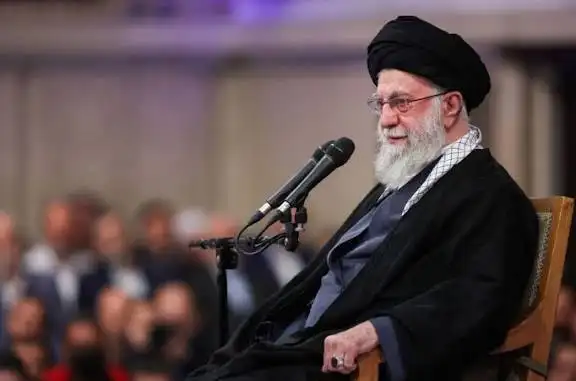
The central question now facing analysts and policymakers is whether Iran will actually comply with the agreement’s terms. The Islamic Republic has a long history of what Western officials characterize as deception and delay tactics in nuclear negotiations. State controlled Iranian media has already begun declaring victory in the conflict, a narrative that may be intended for domestic consumption but raises concerns about Tehran’s true intentions. President Trump has made clear that military options remain available if Iran fails to uphold its end of the bargain, effectively putting the agreement on a short leash with severe consequences for violations.
What comes next will be determined by verification mechanisms and Iran’s actions in the coming weeks and months. International inspectors will need unfettered access to nuclear facilities, and intelligence agencies will be watching for any signs of cheating or support continuing to flow toward militant groups. Iran faces a genuine choice between continued isolation and economic stagnation or reintegration into the global economy through normalized trade relations. Whether the regime’s leadership can pivot from revolutionary ideology to pragmatic governance remains an open question, one with profound implications for regional ility and American interests across the Middle East.
You May Like











Leave a comment