

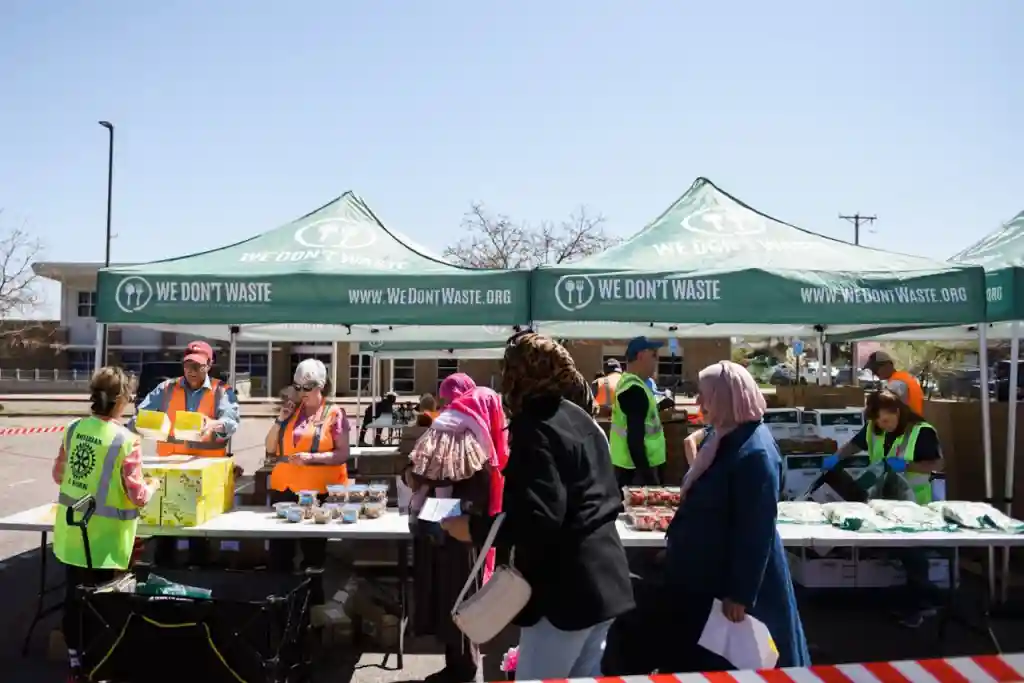
American donors opened their wallets wider than ever in 2025, channeling $617 billion to charitable causes despite a year roiled by economic uncertainty and political upheaval. According to Giving USA 2026, the authoritative annual benchmark of American philanthropy, total donations rose by an inflation adjusted 3% over the previous year, reflecting continued generosity even as federal budget cuts created anxiety across the nonprofit sector.
Bequests emerged as a standout driver of growth, surging nearly 17% and marking the third year in the past four to register double digit increases in this category of giving. Experts believe this spike may represent the opening chapter of the long anticipated Great Wealth Transfer, a multigenerational shift expected to move $18 trillion from baby boomers to their heirs and favorite charities. Wendy McGrady, chair of Giving USA, credits nonprofits themselves for the overall gains, noting that organizations effective at articulating their missions saw donors respond with enthusiasm. All donor categories increased contributions, including corporations, living individuals, bequests, and foundations.

Strong stock market performance provided crucial fuel for the uptick in generosity. Jon Bergdoll, interim director of data and research partnerships at the Indiana University Lilly Family School of Philanthropy, which conducts the underlying research, points to robust growth in the S&P 500 and broader financial markets as key factors. Rising asset values directly boosted the wealth of companies, foundations, and affluent individuals, enabling larger contributions across the board. However, Bergdoll cautions that this growing dependence on market performance introduces new volatility into charitable giving patterns.
Educational institutions saw the largest gains among nonprofit categories, with donations climbing 8.9%, while public society benefit organizations registered an 8.7% increase and environmental and animal groups captured 8.2% more in contributions. Arts, culture, and humanities organizations experienced a more modest 4.7% rise, while health charities grew by 3.3%, human services by 2.6%, and international causes by just 1.4%. Religious organizations bucked the trend, experiencing a slight 0.2% decline when adjusted for inflation, continuing a years long pattern of weakening support for faith based institutions.
Megagifts from ultra wealthy philanthropists continue to reshape the charitable landscape, with contributions exceeding $600 million accounting for $19.2 billion, roughly 4% of all individual donations. MacKenzie Scott dominated this category with $6.65 billion in contributions, representing a third of all megagiving for the year. Michael Bloomberg donated $4.3 billion, Bill Gates contributed $3.7 billion, and Paul Allen’s estate bequeathed $3.1 billion, underscoring how a handful of billionaires now wield outsized influence over which causes receive major funding. Over the past four decades, the share of total charitable dollars coming from individuals has declined from 80% in 1985 to just 64% today, as foundations and bequests claim growing portions of the pie.
Looking ahead, the trajectory of American philanthropy appears increasingly tied to market performance and the generosity of the ultrarich, creating both opportunities and vulnerabilities for nonprofits. As wealth becomes more concentrated and giving patterns more dependent on stock valuations, organizations may face greater unpredictability in their funding streams. Yet the sustained growth in bequests offers hope that a new era of philanthropic capital is emerging, one that could fundamentally transform the resources available to address pressing social challenges. Whether this wealth transfer ultimately democratizes charitable giving or further concentrates power among elite donors will shape the nonprofit sector for decades to come.
You May Like


















Leave a comment