

Adewole Adebayo has emerged as the presidential candidate of the Social Democratic Party, SDP, ahead of the 2027 general elections following his unanimous adoption at the party’s national convention held in Bauchi State on Saturday.
Adebayo, who was the sole aspirant for the party’s presidential ticket, was elected by consensus by delegates from all 36 states of the federation during the convention, which also featured the election of new members of the party’s National Working Committee.
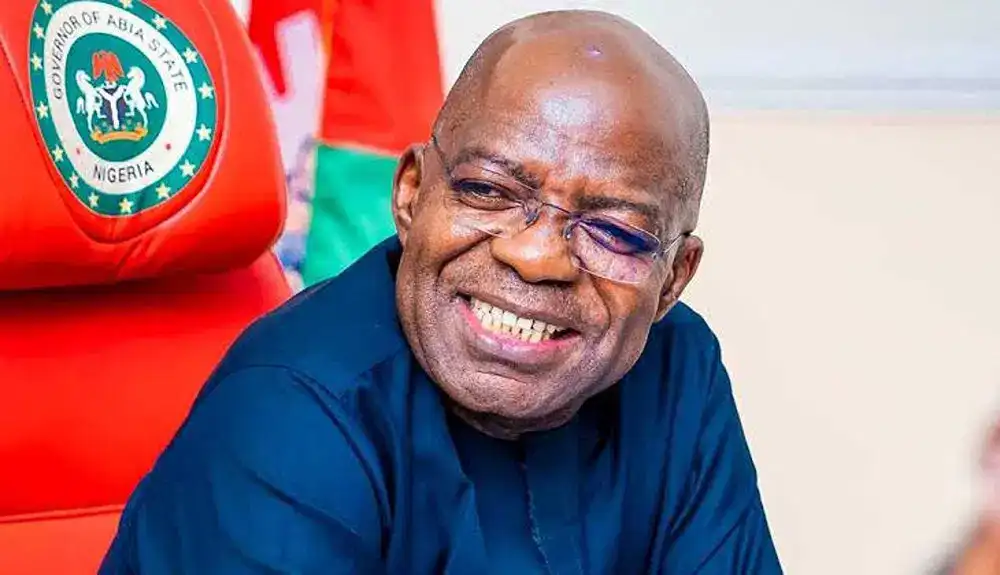
In his acceptance speech, the SDP presidential flagbearer expressed deep concern over Nigeria’s worsening economic hardship, insecurity, and what he described as poor leadership. He warned that the country was gradually drifting towards authoritarian rule and political intolerance.
He highlighted the rising unemployment rate, noting that many Nigerian graduates were unable to secure jobs while citizens continue to struggle with access to basic healthcare and decent living conditions.
Adebayo also criticised the political class for prioritising personal comfort over national development, questioning why leaders seek medical treatment abroad while many Nigerians lack access to functional hospitals. He further lamented that some citizens still give birth under unsafe conditions due to poor healthcare infrastructure.
On insecurity, the SDP candidate alleged that there are disturbing links between some government elements and criminal groups, calling for greater accountability and transparency in the nation’s security architecture.
He stressed that Nigeria must remain a democratic state where multiparty politics is protected, warning that the country risks sliding into what he described as “one man rule” if current political trends continue.
Adebayo urged Nigerians to actively defend their democratic freedoms, stating that political participation and opposition must not be weakened or suppressed.
He also commended Governor Bala Mohammed for allowing the SDP national convention to hold in Bauchi despite alleged pressure, describing him as a supporter of democratic values.
According to him, Nigeria’s political future depends on ideological diversity, strong institutions, and leaders committed to national unity and progress rather than personal or sectional interests.











Leave a comment