


While Westminster’s attention fixates on whether Labour can survive the Makerfield showdown that threatens to unseat the prime minister, two other by-elections in Scotland may prove equally revealing about the state of British politics. Voters in Aberdeen South and Arbroath and Broughty Ferry head to the polls this week in contests that will test whether the SNP can weather mounting scandals and whether Labour’s turmoil has created unexpected opportunities for rival parties. Though these Scottish battles lack the immediate drama of a potential prime ministerial defenestration, they offer a valuable snapshot of voter sentiment in a nation where political allegiances have become increasingly fluid.
Both by-elections stem from the same constitutional quirk. Stephen Flynn, the SNP’s former leader in the Commons, and his colleague Stephen Gethins resigned their Westminster seats after successfully winning election to the Scottish Parliament. Holding what is known as a dual mandate across UK legislatures is now prohibited by law, forcing both men to choose Holyrood over the House of Commons. Their departures have created vacancies at a particularly awkward moment for their party, coming as the Peter Murrell embezzlement scandal continues to raise uncomfortable questions about SNP governance and financial management. Yet the timing may prove fortuitous, with Labour’s deepening leadership crisis potentially driving some voters back toward the nationalists.
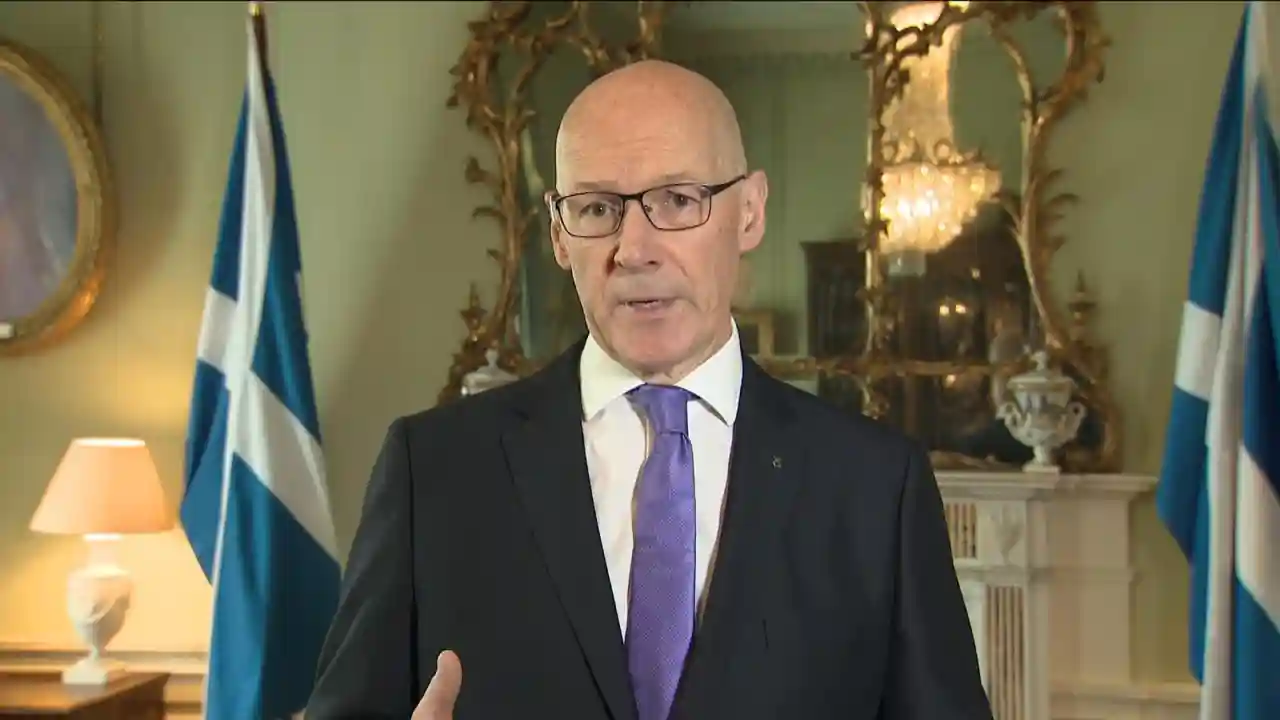
For the SNP, retaining both seats should be achievable, though not guaranteed. Recent Scottish Parliament elections last month provide a relatively current barometer of public opinion, showing the party narrowly securing first place at Holyrood while falling short of an overall majority. Electoral arithmetic in both constituencies favours the nationalists, primarily because unionist opposition remains fragmented across multiple parties. Some voters who drifted from the SNP to Labour may now reconsider that shift given the chaos engulfing Keir Starmer’s government. Losing either seat would reduce the SNP to just five MPs at Westminster, fewer than Reform UK and level with the DUP, though such losses would do little to alter the overall balance of power given Labour’s substantial majority.
Labour’s prospects appear distinctly mixed. Under different circumstances, Arbroath and Broughty Ferry might have represented a genuine opportunity, given that the SNP won by a mere 859 votes or 1.9 per cent in 2024. Victory there would have provided welcome momentum for a government struggling to maintain authority. Aberdeen South presents a steeper challenge even in favourable conditions, which these emphatically are not. For Labour, maintaining second place and preserving its status as the principal challenger would constitute an acceptable outcome given current circumstances. Anything better would be an unexpected bonus that might temporarily lift morale among beleaguered government MPs.
Conservatives harbour quiet hopes of an upset in Aberdeen South, though realism tempers their optimism. The Scottish Tories finished narrowly behind Labour in third place and represent the most credible alternative to SNP dominance. Historical precedent offers some encouragement, as the constituency was Conservative territory as recently as 2017 to 2019. Kemi Badenoch has campaigned aggressively on expanding North Sea oil and gas operations, a message with particular resonance in a region whose prosperity has long depended on energy sector employment. Douglas Lumsden, the Conservative candidate and a well known local MSP, brings name recognition and community ties. Yet victory would still require a swing exceeding 4 per cent, and recent polling suggests Scottish Conservatives lack the momentum to achieve such a result. Lumsden must also contend with Reform UK’s growing support, though tactical voting dynamics might limit Reform’s impact given the specific electoral mathematics at play. Should Lumsden somehow prevail, it would mark the first Westminster by-election victory for Conservatives in Scotland since 1963, when Alec Douglas Home won Kinross and Western Perthshire to facilitate his premiership.
Bookmakers have installed the SNP as overwhelming favourites to retain both seats, a judgment that reflects both the party’s inherent advantages and the divided nature of opposition forces. Yet by-elections have a habit of defying expectations, particularly during periods of political volatility. Whatever the results, these contests will provide crucial insights into how Scottish voters are processing dual crises affecting both major parties and whether the fragmentation of British politics has created space for smaller parties to make unexpected gains. For a nation that has experienced seismic political shifts over the past decade, Thursday’s verdicts may signal whether Scotland’s electoral landscape is ilising or whether further upheaval lies ahead.
You May Like





















Leave a comment