

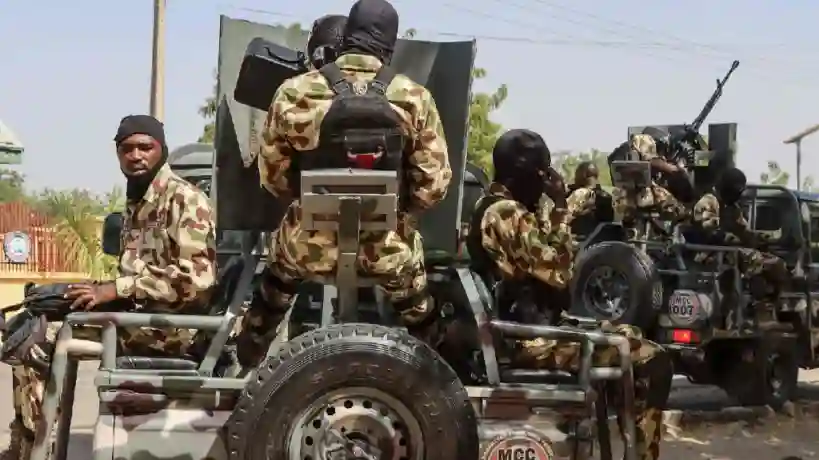

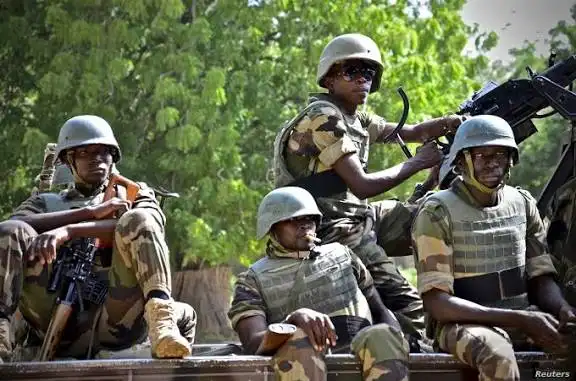
Nigerian military forces have significantly bolstered their presence along the volatile border region between Sokoto and Kebbi states, responding to escalating threats from the Lakurawa terrorist organization. Major General Bemgha Paul Koughna, General Officer Commanding the 8 Division of the Nigerian Army, personally assessed security conditions in Kebbe Local Government Area during a high stakes operational visit designed to evaluate troop deployment and community safety. The move comes as residents report renewed s, including a recent assault on Ungushi community that has heightened fears among border populations already living under the shadow of insurgent violence.
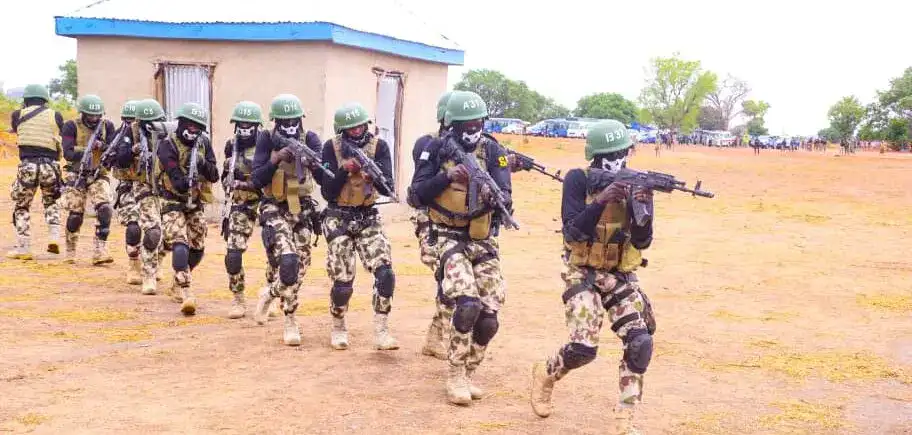
During his inspection of the Forward Operating Base in Kebbe and surrounding settlements, the senior commander engaged directly with local leaders and residents to gather intelligence on the evolving security landscape. General Koughna offered firm assurances that military personnel remain stationed throughout the area, maintaining heightened vigilance to safeguard civilian lives and property from terrorist incursions. His visit underscored the military’s commitment to preventing Lakurawa fighters from elishing operational strongholds in these strategically important border communities, where porous boundaries have historically enabled militant movements.
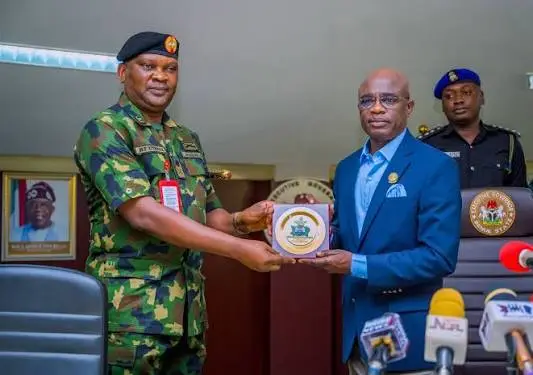
Military officials emphasized their determination to mount swift and decisive responses to any emerging threats in the region. General Koughna urged local populations to continue their daily economic activities without succumbing to fear, stressing that security forces maintain a robust ground presence. The commander’s message balanced reassurance with realism, acknowledging the genuine dangers while projecting confidence in the military’s capacity to neutralize terrorist elements before they can consolidate their positions or launch coordinated s.
Community cooperation emerged as a central theme during the operational assessment. General Koughna made an explicit appeal to residents for enhanced collaboration with security agencies, emphasizing that credible intelligence from local sources proves indispensable in counterterrorism efforts. According to military strategists, effective partnerships between armed forces and civilian populations represent the critical foundation for detecting terrorist networks, disrupting their planning cycles, and dismantling their infrastructure before s materialize. Border communities possess intimate knowledge of local terrain and social dynamics that formal security apparatus cannot replicate through external observation alone.
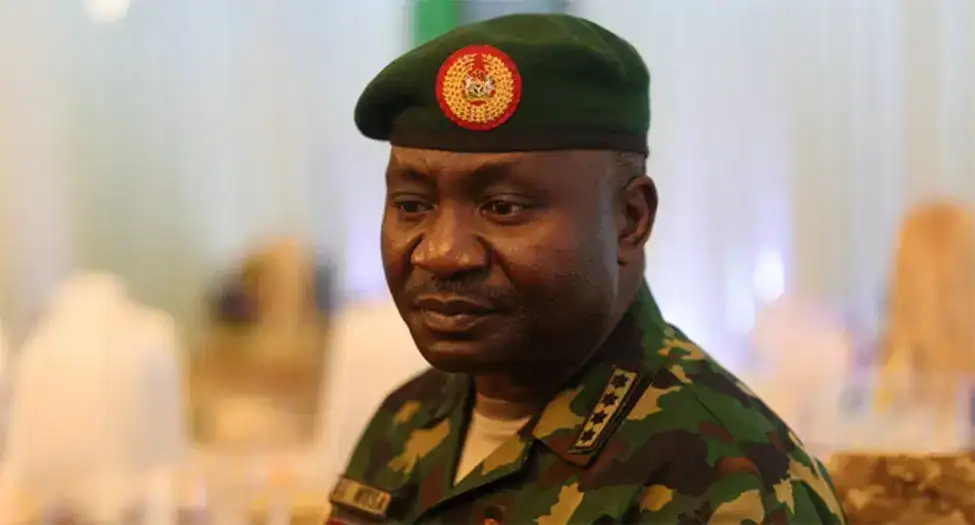
Security analysts note that the Sokoto and Kebbi border axis has become increasingly contested territory as various armed groups seek to exploit weak governance structures and difficult terrain. The Lakurawa organization represents one of several militant factions operating across Nigeria’s northwestern states, where kidnapping, cattle rustling, and communal violence have displaced thousands and crippled local economies. Military deployments in these areas face the dual challenge of countering immediate threats while building the trust necessary for sustainable intelligence gathering among populations often skeptical of government institutions.
The operational visit forms part of a broader strategic review by the 8 Division to adapt security architecture to fluid threat environments. As terrorist groups demonstrate increasing sophistication in their tactics and territorial ambitions, military commanders face pressure to demonstrate tangible progress in protecting vulnerable populations. Whether intensified deployments and community engagement can reverse the security deterioration along this troubled border will largely depend on sustained commitment of resources, intelligence sharing, and the willingness of local residents to partner with security forces despite the personal risks such cooperation entails.

















Leave a comment