
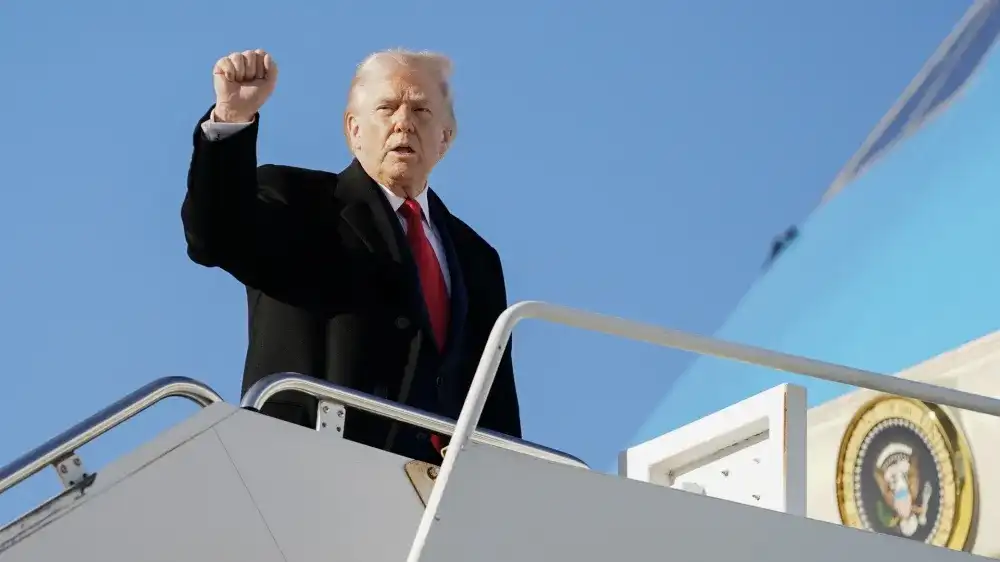
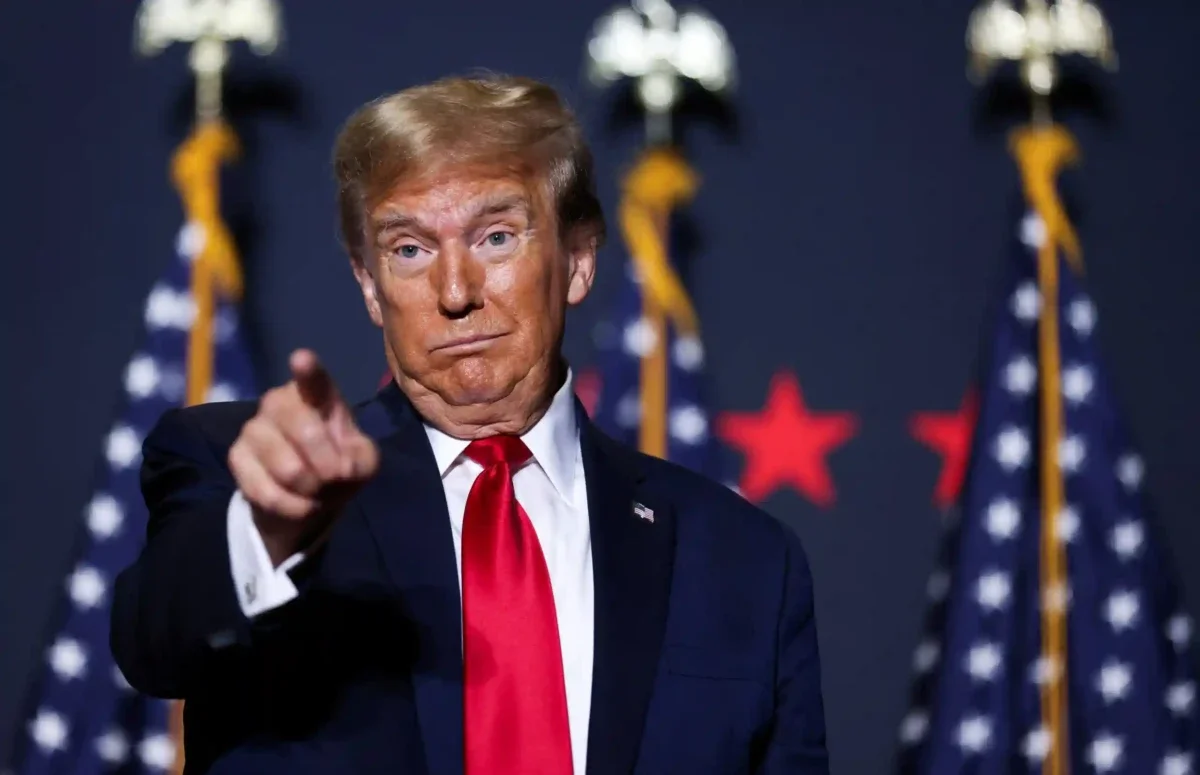
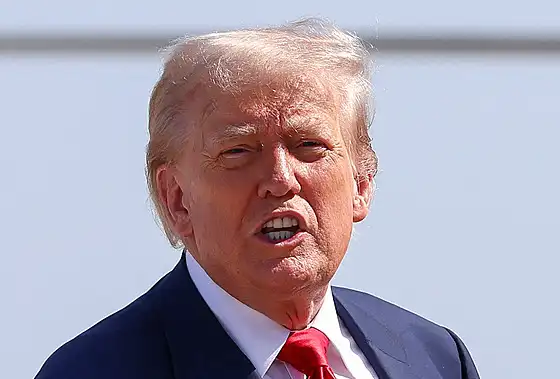
President Trump has raised eyebrows with remarks suggesting he might declare the Strait of Hormuz a territory of the United States, offering what appeared to be a half serious proposal concerning one of the world’s most strategically vital waterways. Speaking to reporters, the president also defended rising fuel prices for American consumers, arguing that temporary economic pain would be worthwhile if it prevents Iran from obtaining nuclear weapons.
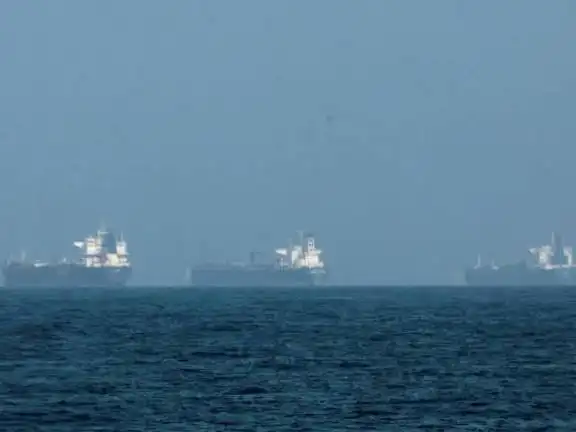
The Strait of Hormuz represents a critical chokepoint for global energy markets, with roughly one fifth of the world’s petroleum passing through its narrow waters each day. Any move by the United States to claim sovereignty over the strait would represent an unprecedented assertion of territorial control over international waters and would almost certainly trigger severe diplomatic and potentially military responses from Iran, which shares control of the waterway’s northern shore. Such a declaration would also likely draw sharp rebukes from other nations that depend on free passage through the strait for their energy security.
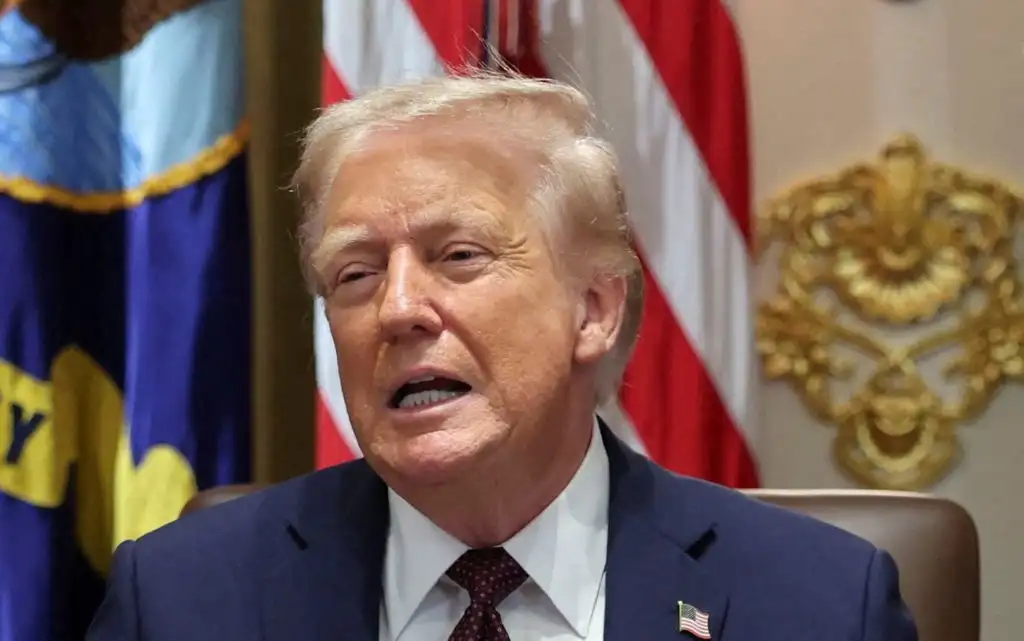
Trump’s comments come as tensions between Washington and Tehran have escalated over Iran’s nuclear program, with American officials repeatedly warning that all options remain on the table to prevent Iranian nuclear weapons development. While the president’s suggestion about annexing the strait may have been delivered with a joking tone, it reflects a broader willingness within his administration to consider unconventional approaches to longstanding Middle Eastern security challenges. Analysts note that even rhetorical provocations regarding the strait can roil oil markets and complicate diplomatic efforts in the region.
American consumers have felt the squeeze at gas pumps in recent months as crude oil prices have climbed amid renewed Middle East inility and uncertainty about future supply flows. Rather than backing away from policies that critics say have contributed to higher energy costs, Trump doubled down on his approach, characterizing elevated fuel prices as an acceptable tradeoff for national security objectives. His framing represents a political gamble, betting that voters will prioritize preventing Iranian nuclear proliferation over immediate pocketbook concerns.
Foreign policy experts have expressed concern that loose talk about claiming sovereign control over international waterways could undermine American credibility and complicate efforts to build coalitions around containing Iran’s nuclear ambitions. International law clearly elishes the strait as an international transit route, and previous administrations from both parties have invested considerable diplomatic capital in defending freedom of navigation principles worldwide. Any serious move toward annexation would contradict decades of American foreign policy doctrine and potentially weaken Washington’s position when challenging territorial claims by rivals like China in the South China Sea.
Whether Trump’s territorial musings represent genuine policy consideration or simply rhetorical flourish remains unclear, but his willingness to publicly discuss such unconventional ideas signals a continued preference for unpredictable negotiating tactics. As diplomatic efforts to curb Iran’s nuclear program continue, the administration faces the challenge of maintaining pressure on Tehran while managing the economic and geopolitical risks of an increasingly volatile standoff. Markets and international observers will be watching closely to see whether presidential speculation translates into concrete policy shifts that could reshape the strategic landscape of the Persian Gulf.











Leave a comment