

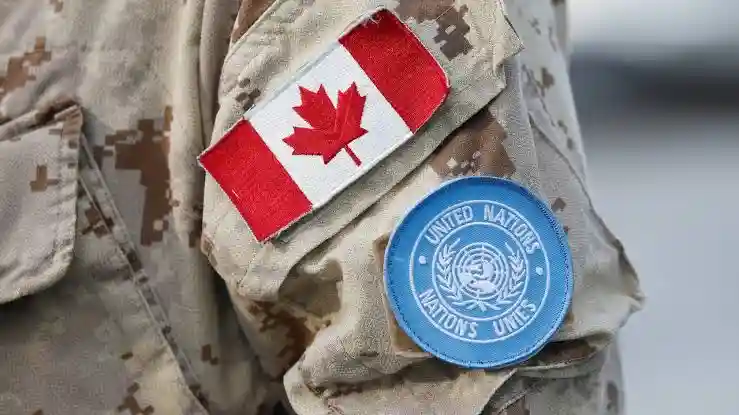
Canada’s decision to withdraw the majority of its peacekeepers from Africa has drawn sharp criticism from one of the continent’s most influential voices in Ottawa, who warns the move fundamentally contradicts the Carney government’s vision of strengthening cooperation among middle powers on the world stage.
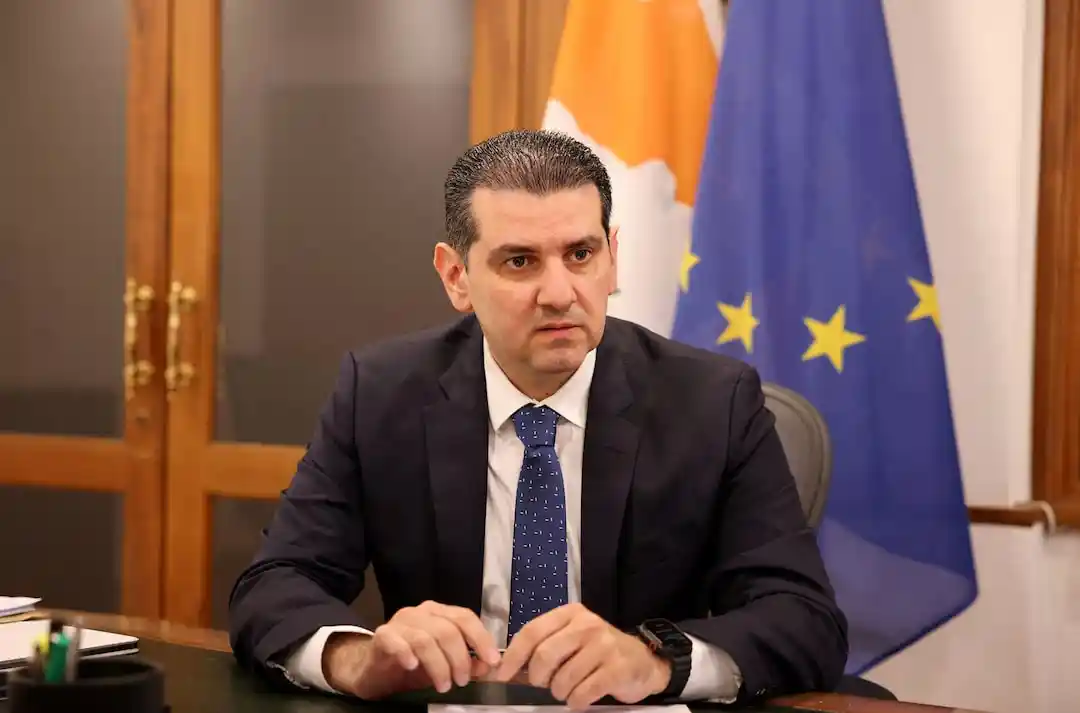
South African High Commissioner Rieaz Shaik minced no words in his assessment of the withdrawal, telling The Canadian Press that he is deeply troubled by what appears to be a retreat from Canada’s longstanding commitment to African peace and ility. The diplomat argued that a nation cannot credibly claim leadership in building middle power alliances while simultaneously pulling back from engagement in the global commons. His pointed remarks highlight a growing tension between Ottawa’s budget realities and its stated foreign policy ambitions at a time when Canada seeks to position itself as a bridge builder among nations that share neither superpower status nor isolationist tendencies.
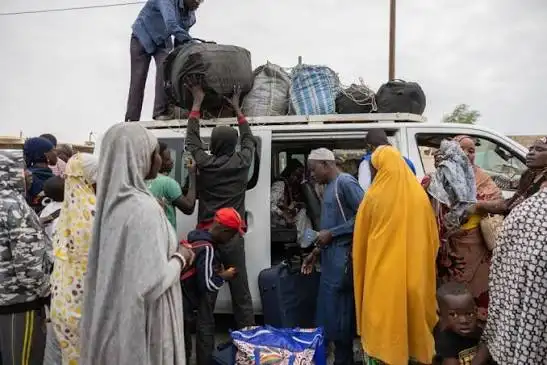
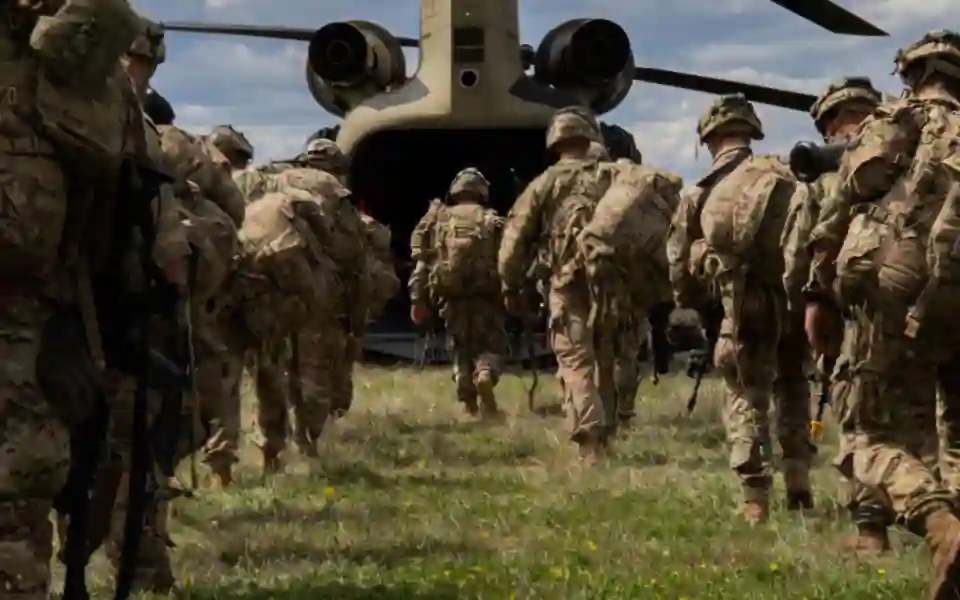
The controversy centers on recent announcements that Canada will recall peacekeepers from the Democratic Republic of Congo and South Sudan, where Ottawa has already suspended its embassy operations. Nine Canadian peacekeepers will be withdrawn from each of these United Nations missions, while the contingent at the Egypt and Israel border zone will be reduced from 40 personnel to just 10. All five peacekeepers in Kosovo and the single officer stationed in Cyprus will also return home. While these numbers may appear modest, military officials have acknowledged that these positions were staffed by some of Canada’s most experienced officers, whose leadership and institutional knowledge provided value far beyond their headcount.
The Canadian Armed Forces justified the pullback by citing the need to realign resources with what it described as current defence priorities. According to military statements, these priorities include defending Canadian territory, supporting the Euro Atlantic region, and contributing to ility in the Indo Pacific theatre. Yet this reorientation comes at an awkward moment for the Carney government, which has simultaneously committed to a strategy calling for deeper engagement with African countries. Many of these nations boast young, rapidly growing populations that analysts predict will drive significant economic expansion in coming decades, making them potentially crucial partners for Canadian trade and diplomacy.
Adding to the contradictions, the foreign service is also reversing staffing increases that were specifically designed to strengthen ties with South Africa, one of the continent’s largest economies and most politically influential states. These reversals are part of a broader federal austerity drive that demands a 15 percent budget reduction from most government agencies. Budget pressures are real and unavoidable, yet the specific choices about where to cut reveal fundamental questions about Canada’s priorities and how seriously it takes its own rhetoric about global engagement and multilateral cooperation.
The disconnect between stated policy and actual resource allocation raises uncomfortable questions about whether Canada’s middle power aspirations amount to more than aspirational language. For decades, Canada built its international reputation partly on contributions to peacekeeping and development in regions where larger powers showed limited interest. Shaik’s criticism suggests that abandoning this role, even in small missions with limited personnel, sends a damaging signal about reliability and commitment. As budget constraints force difficult choices across government, the Carney administration will need to determine whether its vision of middle power leadership can survive when fiscal pressures collide with the costs of maintaining a meaningful global presence.











Leave a comment