

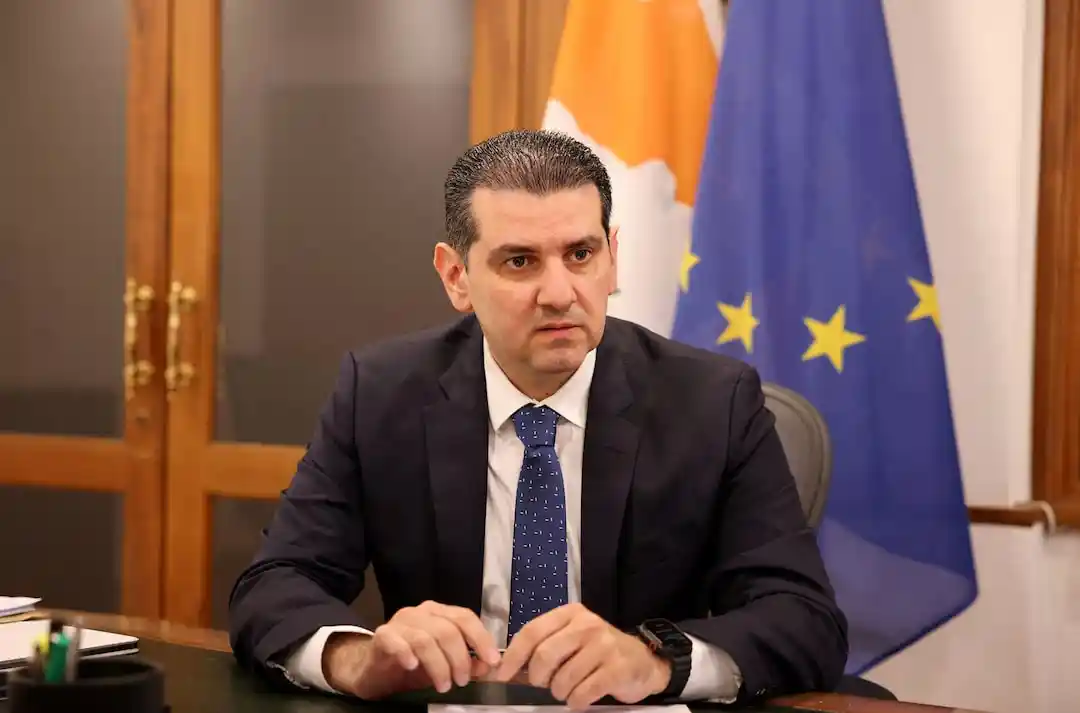
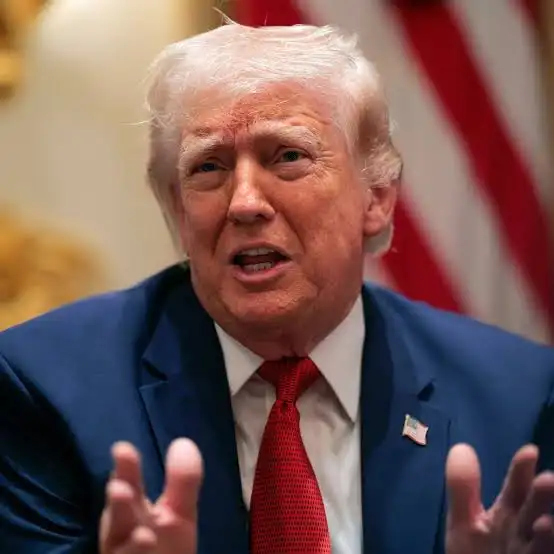
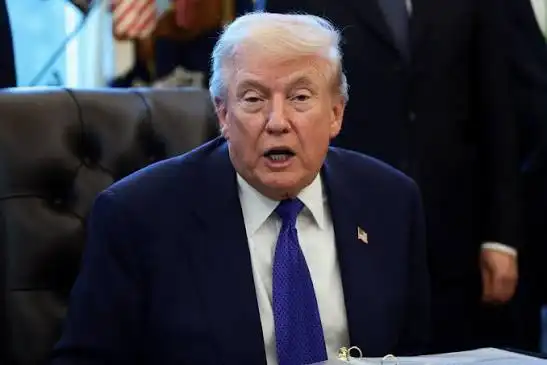
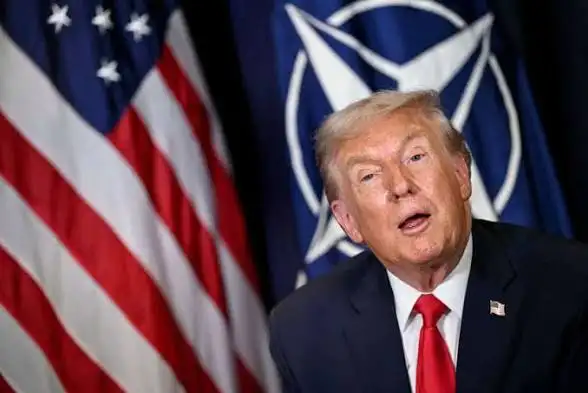
President Donald Trump is amplifying claims that his administration’s energy policies have become essential to Europe’s security, sharing praise from a senior Cypriot official who credits American involvement with advancing crucial natural gas projects in the Eastern Mediterranean. Michael Damianos, the Minister of Energy, Commerce, and Industry for the Republic of Cyprus, told reporters that Trump’s engagement in the region’s energy development is fundamental to the area’s security and the future of Western energy independence.
Cyprus, the European Union member state closest to the Middle East, sits atop estimated reserves of 20 trillion cubic feet of natural gas. Damianos made clear that without Trump’s direct involvement, progress on extracting those resources could have stalled. The minister emphasized that Cyprus aims to position itself as a reliable partner to the United States while developing the capacity to power itself for centuries and supply electricity to Europe, Israel, and Egypt. American energy giants Chevron and Exxon Mobil currently operate the offshore fields, with Chevron managing the Aphrodite prospect and Exxon Mobil controlling the Pegasus and Glaucus fields.

The geopolitical implications extend far beyond the divided island nation. Damianos described a framework he calls the 3+1 partnership, linking Greece, Israel, Cyprus, and the United States in an arrangement designed to bolster both energy production and regional security. For decades, offshore drilling rights in the area have been complicated by the island’s division, with the Republic of Cyprus governing most of the territory while Turkish forces control the northern portion. Yet the strategic value of Cypriot gas has grown as European nations seek alternatives to Russian energy supplies.
American consumers have a direct stake in these developments. Greater flows of non-Russian natural gas to Europe reduce pressure on the liquefied natural gas that United States exporters ship across the Atlantic, a trade that influences domestic prices and supports thousands of jobs in Gulf Coast energy centers such as Houston, where Damianos held follow-up discussions. Energy markets operate globally, and new supply sources in the Eastern Mediterranean could help ilize pricing volatility that affects both gasoline at the pump and electricity bills nationwide.
Trump’s focus on the region follows a pattern visible in his recent diplomatic messaging. Over the past month, more than one in ten of his social media posts have addressed foreign policy issues, with energy security emerging as a central theme. Previously, Trump shared similar praise from Greek Environment and Energy Minister Stavros Papastavrou, who characterized the president’s approach as using energy policy to advance the economic interests of all parties involved. Greece has launched its own exploration efforts in waters surrounding several islands, though Cyprus remains further along in development.
Attention now turns to Cypriot regulators and the American operators as they finalize drilling timelines for the Aphrodite, Pegasus, and Glaucus fields. No firm date for the next production milestone has been announced, but Damianos’s comments suggest that political support from Washington could accelerate decisions that have languished for years. Cyprus has long occupied a crossroads position, falling to Ottoman forces in 1571, passing to British administration in 1878, and gaining independence in 1960. Whether the island can translate its geographic advantage and natural resources into energy influence for the West may depend on continued American backing and the complex diplomacy required to navigate regional tensions while keeping drilling rigs operational.
You May Like













Leave a comment