

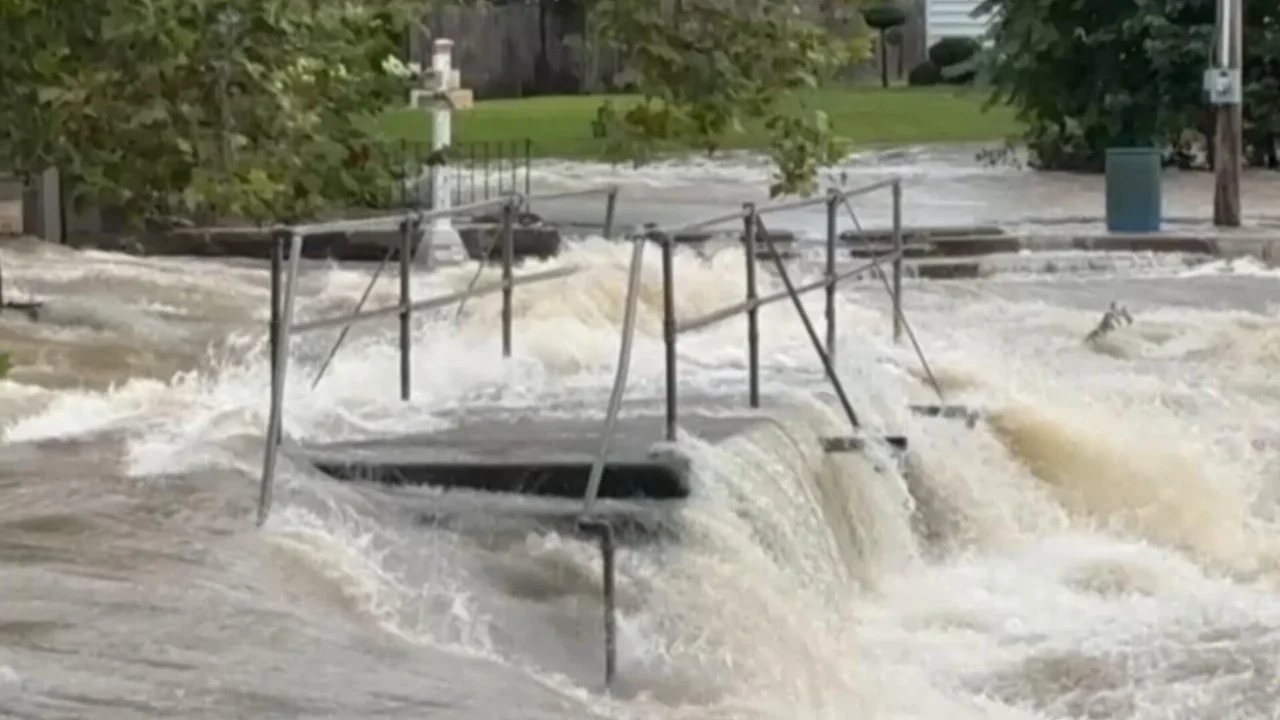
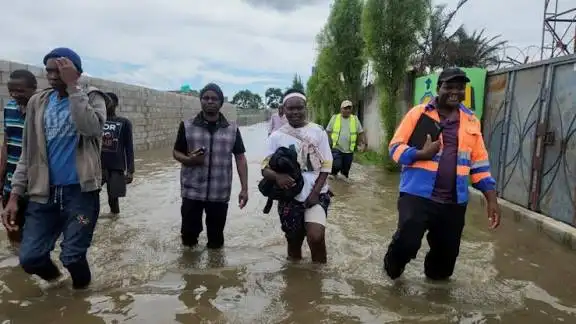
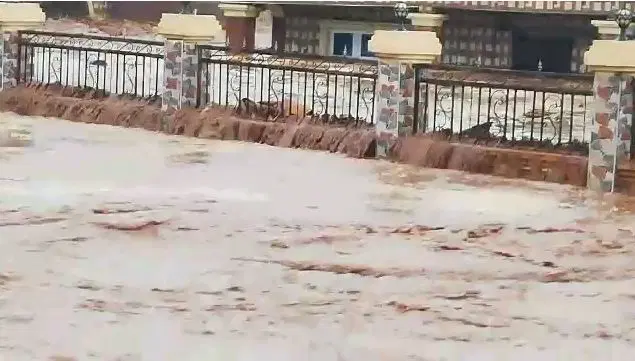
Torrential rainfall has placed approximately 16 million Americans under flood watches across the Midwest, marking one of the most widespread water emergencies the region has faced this year. Communities from the Great Plains to the Upper Mississippi Valley are bracing for rising waters as days of relentless precipitation overwhelm rivers, streams, and urban drainage systems. Emergency management officials are working around the clock to coordinate evacuations and deploy resources to the hardest hit areas.
Weather patterns over the past week have created a perfect storm of conditions for catastrophic flooding. Saturated ground from earlier seasonal rainfall has left little capacity for absorption, meaning each new wave of precipitation immediately runs off into already swollen waterways. Meteorologists report that some areas have received more than six inches of rain in a 48 hour period, with additional storms forecast to move through the region in the coming days. River gauges across multiple states are showing levels approaching or exceeding flood stage, raising concerns that the worst may still be ahead.
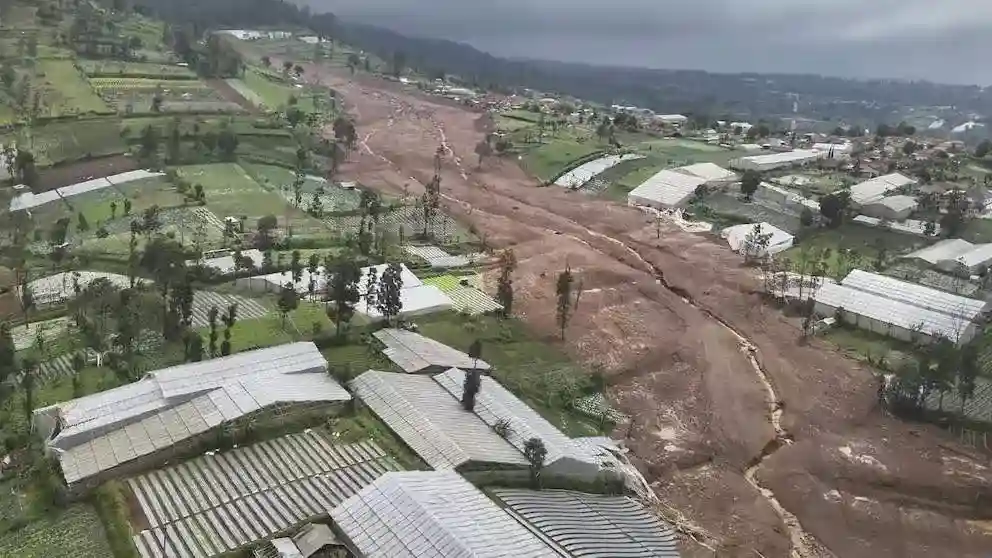
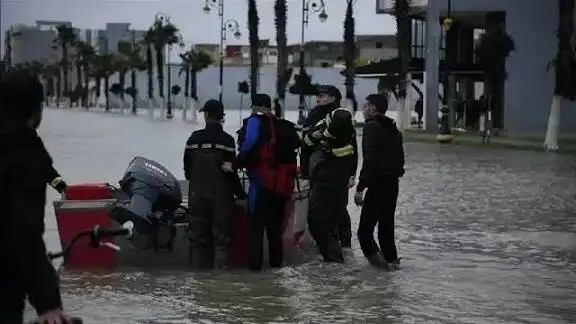
Local authorities in affected states have opened emergency shelters and activated National Guard units to assist with sandbagging operations and potential rescues. Agricultural communities, already navigating challenging economic conditions, now face the prospect of significant crop losses as fields disappear under muddy floodwaters. Infrastructure damage is mounting as well, with several highways and county roads closed due to washouts and standing water that makes passage impossible or dangerously unsafe.
Historical precedent suggests that flooding on this scale can have lasting economic and social impacts on affected communities. Recovery from major flood events typically extends months or even years beyond the initial emergency, as homes require extensive remediation, businesses struggle to reopen, and public infrastructure needs costly repairs. Insurance claims are expected to run into the hundreds of millions of dollars, though many property owners in flood prone areas lack adequate coverage or face policies with high deductibles that make recovery financially challenging.
Climate scientists have noted a troubling trend of more intense precipitation events in the Midwest over recent decades, a pattern consistent with broader climate modeling predictions. Warmer atmospheric temperatures allow air to hold more moisture, which can then be released in concentrated bursts rather than spread over longer periods. While no single weather event can be directly attributed to climate ce, the increasing frequency and severity of such occurrences align with long term projections that suggest communities will need to invest heavily in flood mitigation infrastructure and updated emergency response capabilities.
As waters continue to rise, attention now turns to whether existing levee systems and flood control measures will hold under the strain. Emergency managers are particularly concerned about overnight hours when visibility is limited and residents may be less aware of rapidly cing conditions. Authorities are urging anyone in affected areas to remain vigilant, monitor local news and weather alerts, and be prepared to evacuate on short notice if conditions deteriorate further. Whether this flood event becomes a historic disaster or a manageable emergency may depend on decisions made in the critical hours and days ahead.
















Leave a comment