
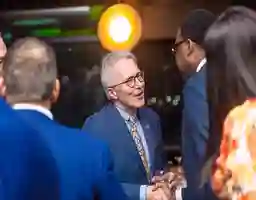
Senior American and Nigerian officials convened in Washington this week for high-stakes discussions on protecting vulnerable Christian communities and strengthening counterterrorism efforts across Nigeria’s troubled regions. Under Secretary of State for Political Affairs Allison Hooker hosted National Security Adviser Nuhu Ribadu and a Nigerian delegation for the second session of the United States Nigeria Joint Working Group, a bilateral mechanism elished specifically to address Nigeria’s designation as a Country of Particular Concern for religious freedom violations.
According to a State Department readout released Friday, the talks centered on three critical priorities: safeguarding Christian populations in Nigeria’s volatile Middle Belt, enhancing accountability for perpetrators of violence through stronger judicial and security institutions, and deepening military to military cooperation between the two nations. Both sides reviewed tangible progress on several fronts, including efforts to facilitate the return of internally displaced persons to their ancestral homes, advances in counterterrorism prosecutions, and initiatives aimed at disrupting the financial networks that sustain terrorist organizations operating across Nigerian territory.
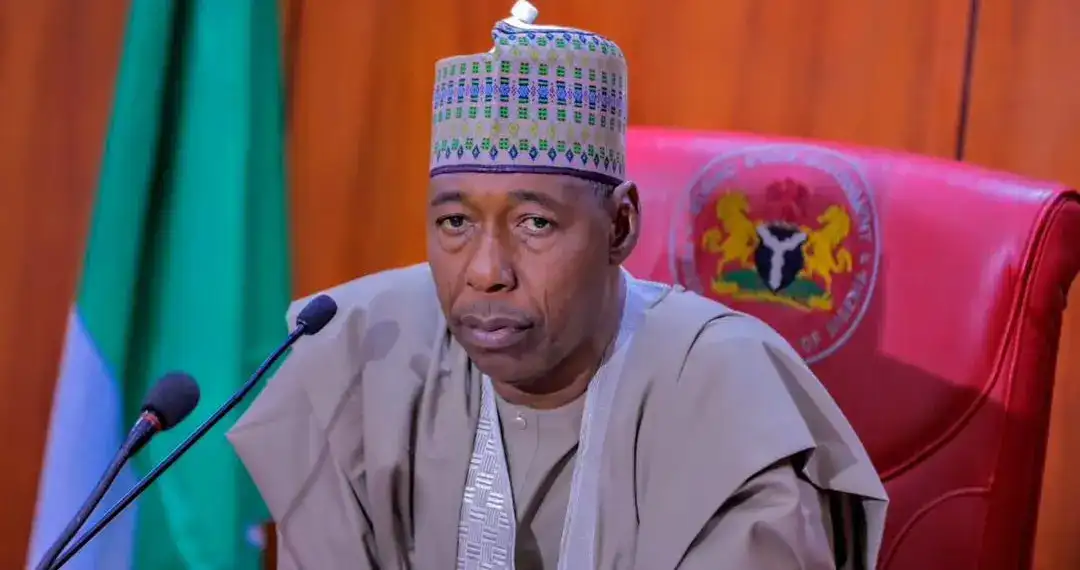
Yet significant challenges remain. Officials acknowledged continuing incidents of civilian fatalities and identified troubling gaps in transparency surrounding humanitarian expenditure, issues that have complicated international assistance efforts. Washington noted reported Nigerian efforts to prosecute hundreds of terror suspects, expand judicial capacity to handle complex terrorism cases, and recruit and train an additional 50,000 police officers to bolster security across the country. These developments represent substantial commitments from Abuja, though implementation and sustainability remain open questions among international observers.
Both governments agreed to maintain close coordination on countering terrorism financing, a critical component of dismantling extremist networks. They also committed to enhanced biometric information sharing to support accountability measures and ensure that perpetrators of violence face justice. Law enforcement capacity building will receive additional support through the State Department’s Bureau of International Narcotics and Law Enforcement Affairs and the Bureau of Counterterrorism, programs designed to strengthen institutional capabilities over the long term.
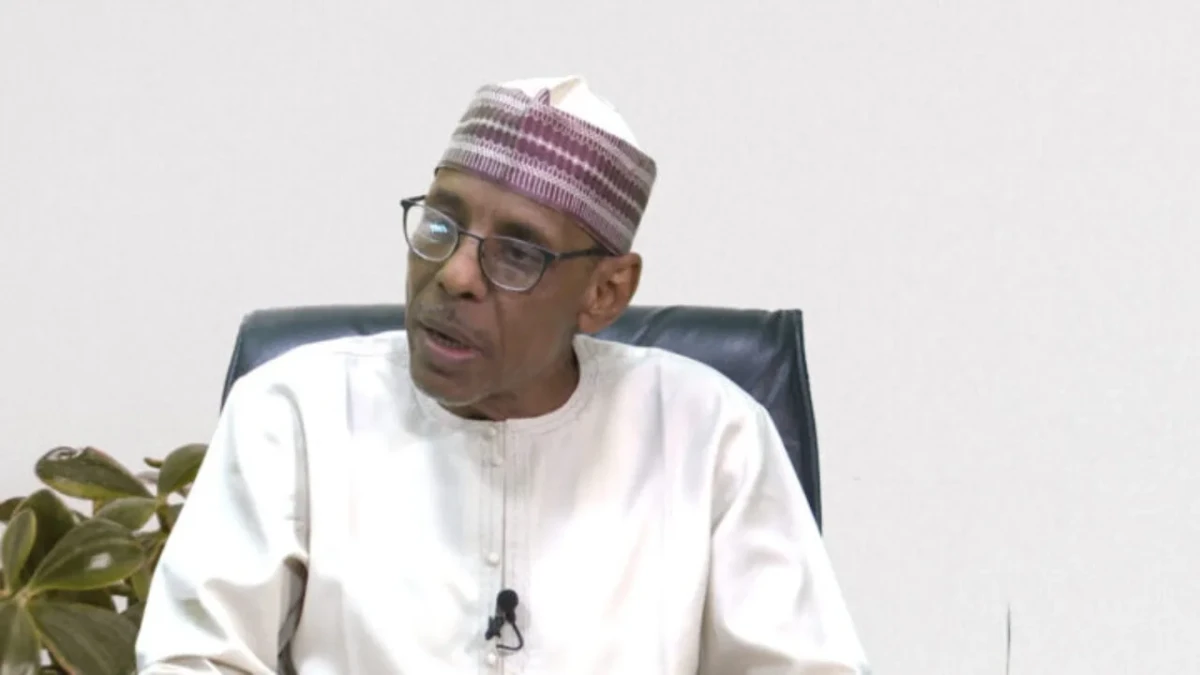
During a private conversation with Ribadu, Hooker reaffirmed Washington’s commitment to working alongside Nigeria to protect Christian communities facing escalating threats and to deepen joint security cooperation across multiple domains. On Thursday, the Nigerian delegation visited the Pentagon, where discussions with defense officials focused specifically on expanding military collaboration, including intelligence sharing, training programs, and operational support for Nigerian forces engaged in counterinsurgency operations.
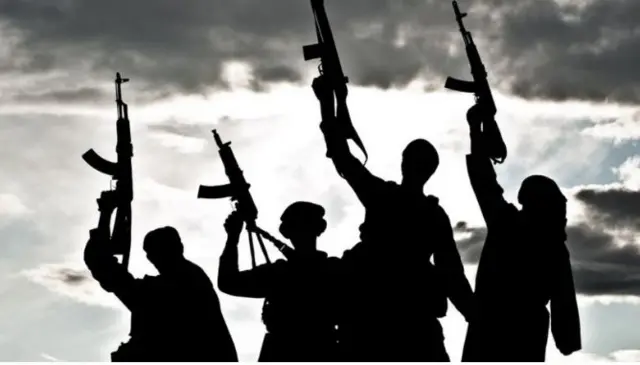
As Nigeria continues to grapple with multiple security crises spanning from Boko Haram insurgencies in the northeast to communal violence in the Middle Belt and banditry across the northwest, sustained American engagement signals recognition of the stakes involved. With the first Joint Working Group session having taken place in Abuja on January 22, the biannual format provides a structured framework for measuring progress and identifying persistent gaps. Whether these high level commitments translate into measurable improvements in security and religious freedom for vulnerable populations will determine the success of this diplomatic initiative and shape the trajectory of US Nigeria relations in the years ahead.








Leave a comment