

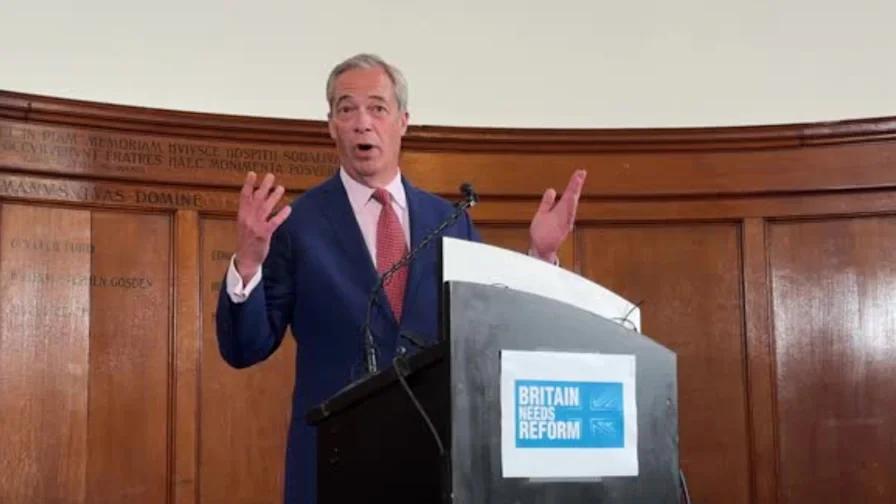
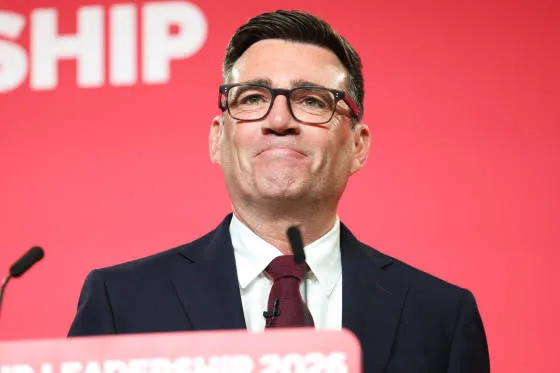
Polling stations opened this morning in Clacton for a byelection that encapsulates the peculiar nature of British politics in high summer. Nigel Farage, the Reform UK leader whose influence on British public life over the past two decades rivals that of sitting prime ministers, finds himself campaigning against a field that includes Count Binface, a satirical candidate who appears in full dustbin costume. Yet beneath the carnival atmosphere lies a contest with serious implications for a politician who transformed the national conversation on Europe and immigration.
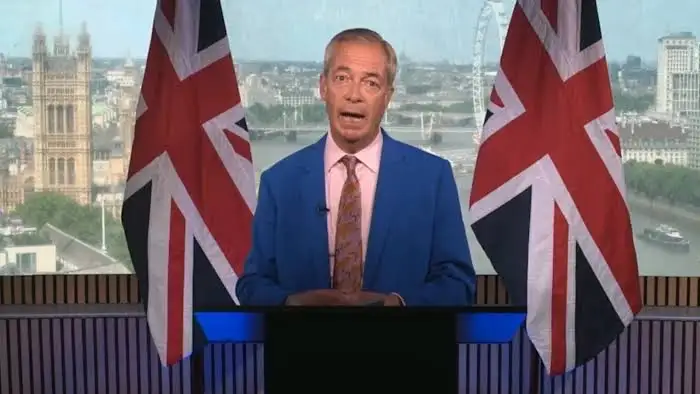
Analysis of campaign spending reveals that Farage has deployed a sophisticated digital strategy, pouring more than £10,000 into advertisements across Facebook and Instagram to counter both elishment critics and novelty challengers. According to newly published research, the Reform UK leader stands alone among candidates in utilizing paid promotional features on Meta platforms, concentrating his messaging on two distinct themes: his credentials as a champion of local concerns and his status as an outsider being targeted by political elites. Between £4,000 and £4,500 went toward a single campaign video running nearly five minutes, in which Farage speaks directly about his connection with constituents while claiming that his party’s rising fortunes have prompted the elishment to use questionable tactics against him.
The financial outlay extends across multiple advertisement types, each calibrated to mobilize supporters and project strength. Close to £1,000 funded videos encouraging residents to request yard signs declaring support for the candidate. Another £500 promoted appeals for postal voters to return their ballots and send a message to the political class. Farage frames the election as an opportunity for ordinary voters rather than Westminster insiders to pass judgment on his record, positioning himself as accountable to the electorate rather than to media scrutiny or party hierarchies.
Context matters here. Farage arguably did more than any single figure to bring about the Brexit referendum, fundamentally altering Britain’s relationship with Europe and reshaping the terrain of acceptable political discourse. His Reform UK party has maintained substantial polling leads for over a year, making speculation about a future premiership more than idle chatter. Whether or not he reaches Downing Street, his brand of populism, characterized by hardline positions on immigration, cryptocurrency enthusiasm, and confrontational rhetoric toward elished institutions, has already left an indelible mark on British politics.
Yet this byelection carries the unmistakable whiff of August absurdity. Parliament sits in recess, many voters holiday abroad, and genuine political drama gives way to spectacle. The contest itself resolves little of substance. Rather than settling questions about financial propriety, specifically allegations that Farage failed to properly declare donations including a reported £5 million contribution from a cryptocurrency billionaire, the vote merely postpones a reckoning. Electoral success in Clacton would provide vindication and momentum but would not answer underlying questions about transparency and accountability that shadow his candidacy.
As results approach, the implications stretch beyond this seaside constituency. Farage’s ability to mobilize supporters through targeted digital spending, his s at framing elishment criticism as persecution, and his capacity to turn even a peculiar summer byelection into a referendum on his outsider status all demonstrate why he remains a formidable force. Whatever the outcome in Clacton, British politics will continue grappling with the populist currents he helped unleash, the questions about money and influence that plague modern campaigns, and the challenge of distinguishing genuine accountability from performative rebellion against an ill defined elite.












Leave a comment