

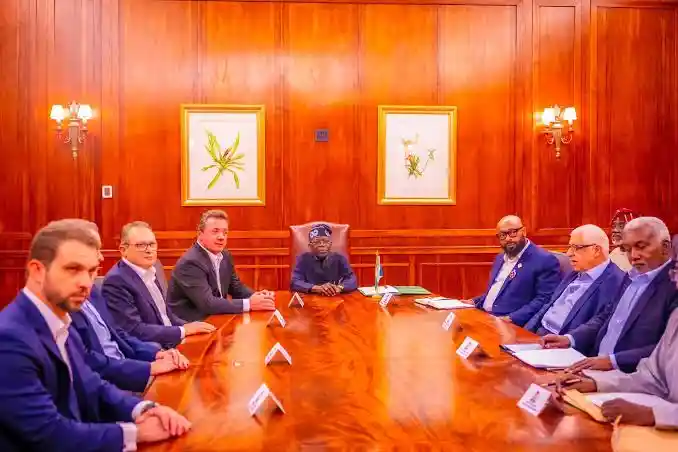
A coalition of farmers, researchers, scientists and civil society organizations has issued an urgent appeal to the Federal Government to publicly release the full Memorandum of Understanding signed with Brazilian meat processing giant JBS, warning that secrecy surrounding the $2.5 billion livestock deal could plunge Nigeria into another catastrophic resource crisis similar to the mismanagement that has plagued the oil sector for decades. While stakeholders say they welcome foreign investment in principle, they are raising serious concerns about the potential implications for public health, environmental sustainability, social equity and the livelihoods of smallholder farmers who form the backbone of Nigeria’s agricultural economy.
Concerns were voiced during a regional workshop held on Wednesday in Abeokuta, Ogun State, under the theme “Sustainable Alternatives to Industrial Animal Farming: Pathways to a Resilient Food System in Nigeria.” The agreement in question was signed in 2024 when President Bola Tinubu witnessed the signing ceremony in Rio de Janeiro, Brazil, on November 21. According to government officials, the investment includes construction of six new meat processing factories aimed at developing Nigeria’s meat production capacity. Yet months after the deal was announced, crucial details remain hidden from public view, sparking frustration among agricultural stakeholders who say they have been deliberately shut out of the process.

Mr Oluwaseyi Olawuyi, Director of Consultancy at Youths in Agroecology and Restoration Network, insisted during the workshop that the deal must undergo comprehensive environmental and social impact assessments with transparent public scrutiny before any construction or operations begin. Without access to the actual terms of the agreement, Olawuyi argued, it would be impossible to determine whether the JBS investment adequately protects public health, preserves environmental integrity and safeguards the interests of smallholder farmers. He described industrial animal farming as the practice of confining thousands or even millions of animals in concentrated areas for profit maximization, and while acknowledging that investors have a right to earn returns, he stressed that development models must prioritize people, communities, ecosystems and long term sustainability over short term financial gains.
Transparency has emerged as the central issue in the growing controversy. Despite repeated requests from civil society organizations, no one outside government circles has been allowed to review the Memorandum of Understanding. Olawuyi revealed that his organization reached out to the Federal Minister of Livestock, only to be told that the MoU was domiciled with state governments. When they contacted Ogun, Niger, Cross River and other states, officials there insisted the document was held at the federal level. “It’s just like a puzzle,” Olawuyi said, expressing frustration at what appears to be a deliberate runaround. He drew parallels to Nigeria’s oil sector, where initial optimism about petroleum wealth gave way to decades of environmental degradation, corruption and economic mismanagement that transformed what should have been a blessing into a curse for many communities.
Dare Elujulo, Director of Operations at the same organization, called for Nigeria to develop agricultural systems that can withstand climate shocks, disease outbreaks and supply chain disruptions rather than relying on industrial models that concentrate risk. He urged Nigerians to “see beyond meat and fish” and embrace diverse protein sources including cowpeas, soybeans, bambara nut, indigenous poultry and mushrooms. Intensive animal confinement systems, he noted, can significantly increase the risk of zoonotic disease transmission, a concern that has taken on renewed urgency in the wake of recent global pandemics. Stakeholders argue that Nigeria’s food security strategy should build on existing strengths in smallholder agriculture rather than importing industrial models that have proven problematic in other contexts.
As pressure mounts for transparency, the controversy raises fundamental questions about governance, accountability and the future direction of Nigerian agriculture. Whether the government will bow to demands for full disclosure remains uncertain, but civil society groups show no signs of backing down. The outcome of this dispute could set important precedents for how Nigeria negotiates future foreign investments and whether citizens will have meaningful input into decisions that affect their health, environment and economic futures. For now, the $2.5 billion question remains unanswered, locked away in a Memorandum of Understanding that everyone is talking about but nobody outside government circles has been allowed to read.
You May Like
















Leave a comment