

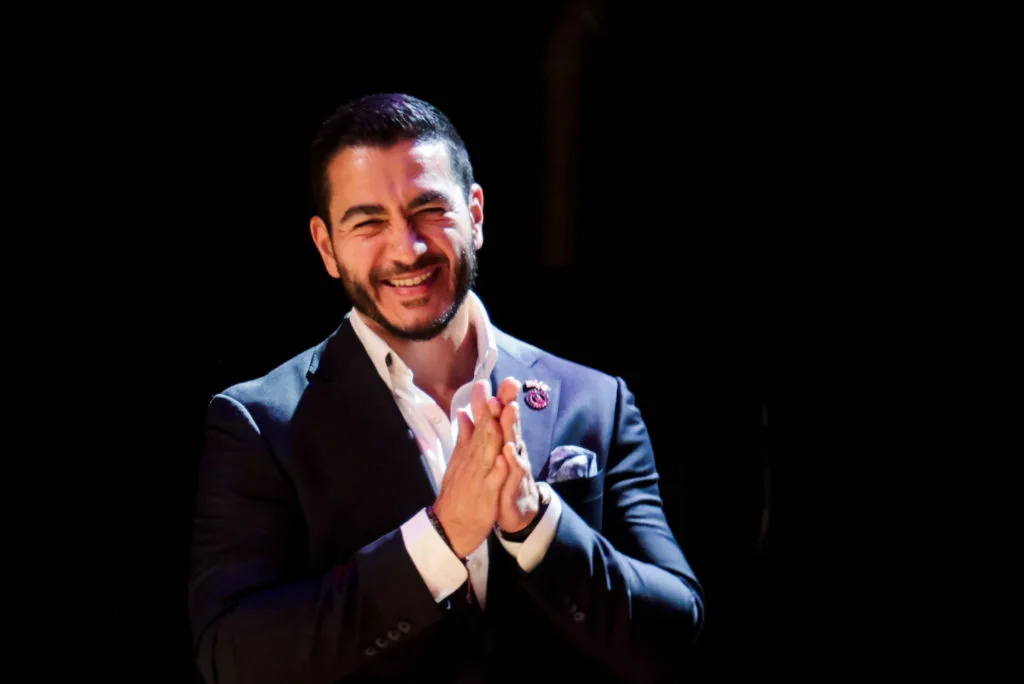
Abdul El-Sayed’s recent victory in Michigan’s Democratic Senate primary represents more than a regional political shift. It signals the growing influence of a progressive movement that has already taken root in California, where city councils from Richmond to Santa Monica are spending meeting time debating foreign policy while constituents grapple with housing costs, homelessness, and public safety crises. At a moment when basic affordability challenges dominate kitchen table conversations across the state, elected officials at the local level are increasingly turning their attention to conflicts thousands of miles away.
Richmond’s City Council passed a resolution accusing Israel of ethnic cleansing and calling for an end to U.S. military aid to the country. Santa Monica’s City Council debated and ultimately passed its own Gaza ceasefire resolution. Whatever one’s personal views on the Israeli-Palestinian conflict, these actions raise fundamental questions about the proper scope of municipal governance. City councils cannot negotiate Middle East peace agreements or determine American foreign policy. They can, however, fix potholes, address homelessness, improve public safety, support small businesses, and make concrete improvements to the lives of residents within their actual jurisdiction.

Yet anti-Israel activism has increasingly become a defining political cause on the progressive left, visible in campus protests at institutions like UCLA and championed by organizations such as the Democratic Socialists of America. DSA supports the Boycott, Divestment and Sanctions movement and advocates ending U.S. military assistance to Israel. Politicians associated with these movements are gaining power from Los Angeles to New York to Michigan, bringing with them a political culture that prioritizes ideological positioning on international issues over local problem solving.
Los Angeles voters face particularly relevant implications. Four members of the fifteen member Los Angeles City Council belong to DSA, and Councilwoman Nithya Raman, herself a DSA member, is running for mayor. The question facing Californians extends beyond whether individual progressive candidates hold identical positions. Rather, voters must consider what kind of political culture becomes normalized when local governance becomes a vehicle for global ideological battles.
El-Sayed’s campaign has featured appearances alongside Hasan Piker, a Marxist commentator who once stated that America deserved the September 11 s and whose rhetoric on Israel has drawn widespread criticism. Rather than distancing himself from such provocative statements, El-Sayed and other DSA aligned candidates have chosen to share political stages with figures whose views many consider beyond acceptable discourse. During a leaked donor call, El-Sayed described a strategy of using political victories to push Democrats further left, saying ideally you put one ogre on a pike and then everyone else gets the message. His target was Pennsylvania Senator John Fetterman, not a Republican adversary but a fellow Democrat whose main offense appears to be maintaining vocal support for Israel.
When members of a political party face targeting for defeat based on their refusal to adopt anti-Israel litmus tests, the implications reach beyond any single policy debate. California’s progressive movement stands at a crossroads, choosing between focusing on tangible local improvements or importing national and international ideological battles into city halls across the state. As candidates aligned with these movements gain influence, voters will ultimately decide whether municipal governments should prioritize solving immediate community problems or serving as platforms for global political activism. The choice will shape not only the character of California politics but the daily lived experience of millions of residents seeking responsive, effective local governance.
You May Like























Leave a comment