

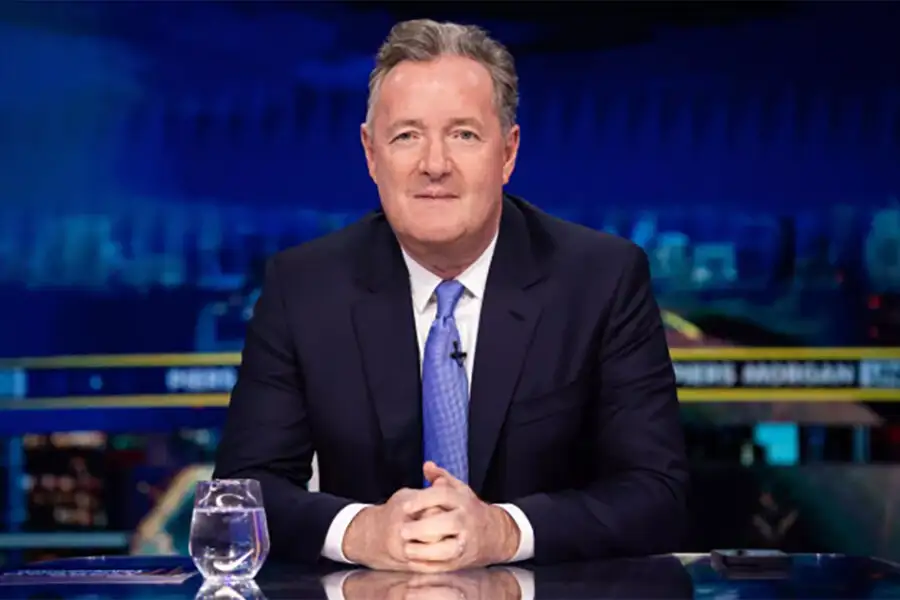
Broadcaster Piers Morgan has launched a scathing assessment of Brexit, declaring it an unmitigated disaster and predicting that Britain would vote to rejoin the European Union in a landslide if given the chance. His remarks come as the nation marks ten years since the referendum that saw voters choose to leave the EU by 52% to 48%, a decision that has dominated British politics ever since.
Speaking on BBC One’s Sunday With Laura Kuenssberg programme, Morgan argued that the country has suffered through a succession of terrible governments in the decade following the vote. Six prime ministers have departed Downing Street since 2016, a period of political turbulence unprecedented in modern British history. Morgan, who voted Remain but kept an open mind about the potential benefits of leaving, said he had hoped Brexit might prove successful but was now convinced it represented a self-inflicted wound on the nation’s fortunes.
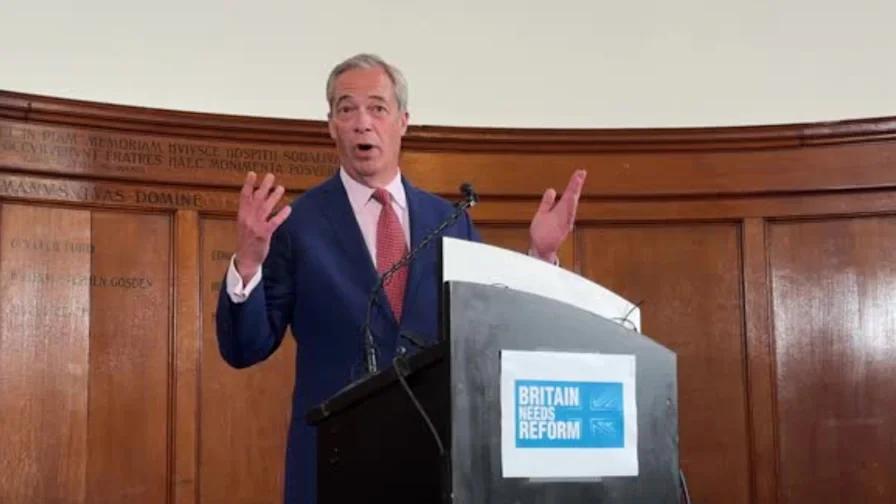
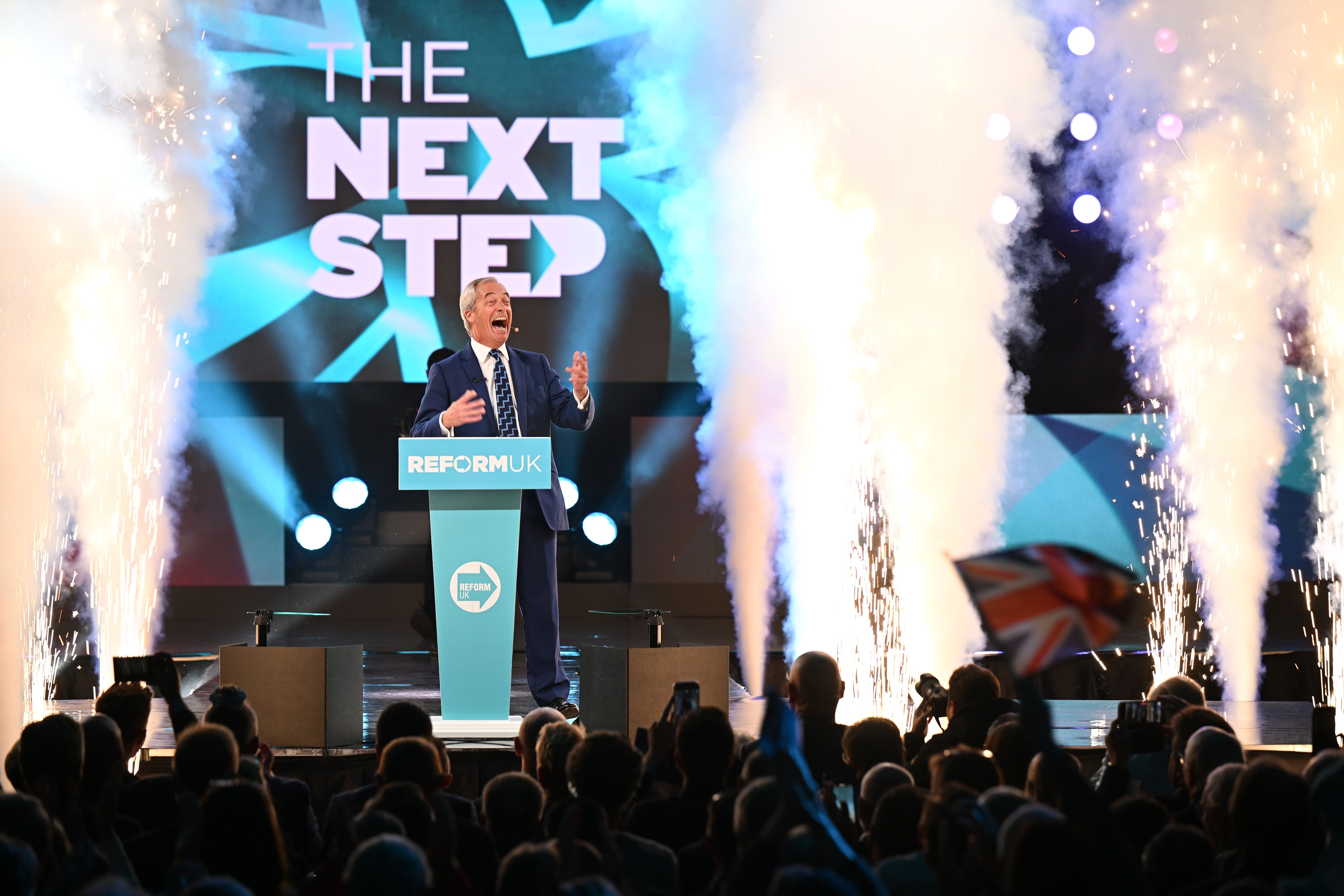
Reflecting on the referendum campaign, Morgan took aim at Nigel Farage, describing him as a snake oil salesman who sold Brexit to the country under false pretences. He challenged broadcasters to hold Farage accountable for the claims made during the campaign, questioning why the public should believe him on any future political promises. Morgan’s criticism extends beyond individual politicians to the decision itself, arguing that then Prime Minister David Cameron called the referendum assuming he would win, only to unleash consequences that have reverberated through the political system ever since.
Morgan went further by suggesting that a future Prime Minister Andy Burnham should call another referendum to ask the British public whether they still believe Brexit has been a great success. According to Morgan, such a vote would result in overwhelming support for rejoining the European Union, though he cautioned that Britain should seek a leading role in reforming EU institutions rather than simply returning to the status quo. His comments reflect a growing sentiment among some voters that the promised benefits of Brexit have failed to materialise.
Public opinion on Brexit has shifted considerably since 2016, with numerous polls suggesting buyer’s remorse among sections of the electorate. Economic challenges, trade complications, and ongoing political inility have all contributed to questions about whether leaving the EU was the right decision. Yet rejoining would require navigating complex negotiations, likely without the favourable terms Britain previously enjoyed, including opt outs from the euro and Schengen agreement. Any future government would face the politically fraught task of convincing both Brussels and a divided electorate that such a reversal served the national interest.
As Britain continues to grapple with the consequences of its departure from the European Union, Morgan’s intervention adds fuel to an already contentious debate about the country’s future direction. Whether his prediction of landslide support for rejoining proves accurate remains to be seen, but his assessment that Brexit has failed to deliver on its promises captures a mood of disillusionment that appears increasingly widespread. How political leaders respond to this sentiment, and whether they dare to reopen the question that has divided the nation for a decade, will shape British politics for years to come.









Leave a comment