

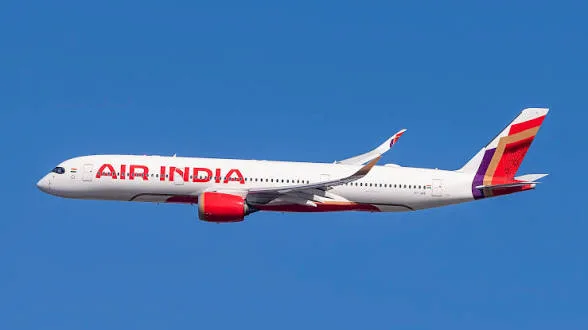
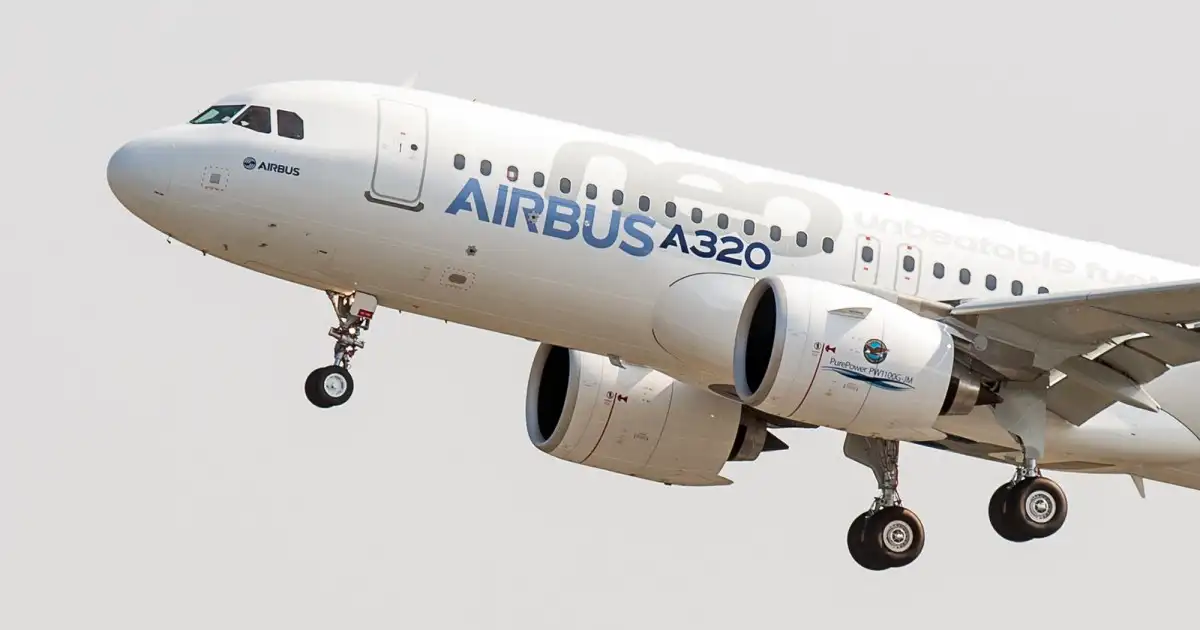
A dramatic mid-air incident involving an Air India aircraft has triggered an international investigation after the plane plummeted approximately 300 feet while experiencing severe turbulence and multiple technical malfunctions. European aviation giant Airbus and France’s Bureau of Enquiry and Analysis for Civil Aviation Safety, known as BEA, will now join Britain’s Air Accidents Investigation Branch in examining what went wrong aboard flight AI2379.

Aviation authorities are treating the incident with utmost seriousness given the combination of factors involved. The aircraft reportedly encountered not only significant turbulence but also experienced a series of technical glitches that occurred simultaneously, a confluence of problems that investigators will need to carefully untangle. While modern aircraft are designed with multiple redundancies to handle individual system failures, the investigation will focus on understanding how various technical issues may have compounded during the turbulent conditions.
Airbus’s involvement in the probe reflects standard industry practice when one of its manufactured aircraft experiences a serious incident. The company maintains detailed engineering data and flight characteristics information that proves invaluable during investigations. BEA, meanwhile, brings decades of expertise in analyzing complex aviation incidents and has participated in numerous high profile international investigations, lending credibility and technical depth to the examination.

A sudden altitude loss of 300 feet, while not catastrophic in itself, represents a significant deviation from normal flight parameters and would have been alarming for passengers and crew alike. Aviation safety experts note that such drops can result from severe clear air turbulence, wind shear, or technical problems affecting the aircraft’s flight control systems. Determining whether the altitude loss was a consequence of atmospheric conditions, technical failures, or a combination of both will be central to the investigation’s findings.
Air India has been undergoing significant modernization efforts in recent years, investing heavily in fleet renewal and safety systems as part of its merger with Vistara and integration under the Tata Group ownership. Any findings from this investigation could have implications not just for the specific aircraft type involved but potentially for maintenance protocols and pilot training procedures across the airline’s expanding operations. Regulators will be watching closely to see whether systemic issues emerge or whether this represents an isolated incident.

Investigators will now begin the painstaking work of analyzing flight data recorders, pit voice recordings, maintenance logs, and witness statements from crew and passengers. Preliminary findings typically emerge within weeks, though comprehensive final reports can take months or even years to complete. Whatever the ultimate conclusions, this incident serves as a reminder that aviation safety depends on constant vigilance, rigorous investigation of every anomaly, and the willingness of manufacturers, airlines, and international regulators to collaborate transparently when things go wrong.
You May Like
















Leave a comment