

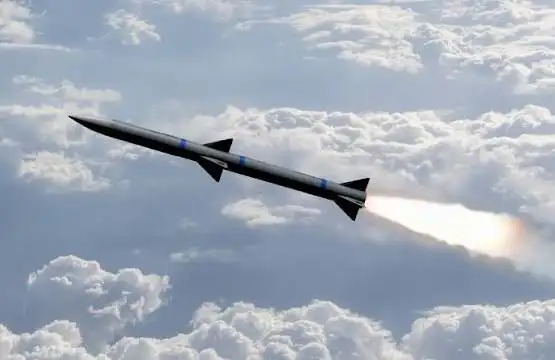
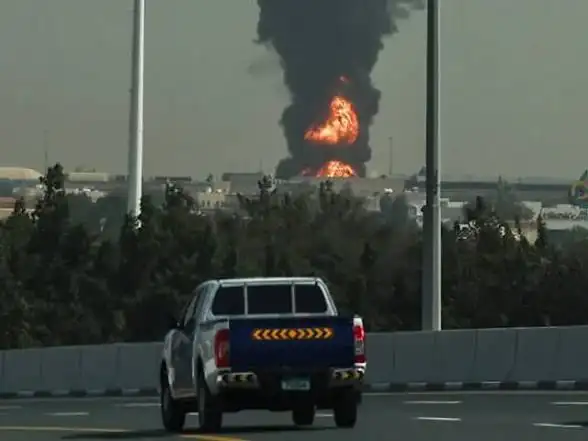
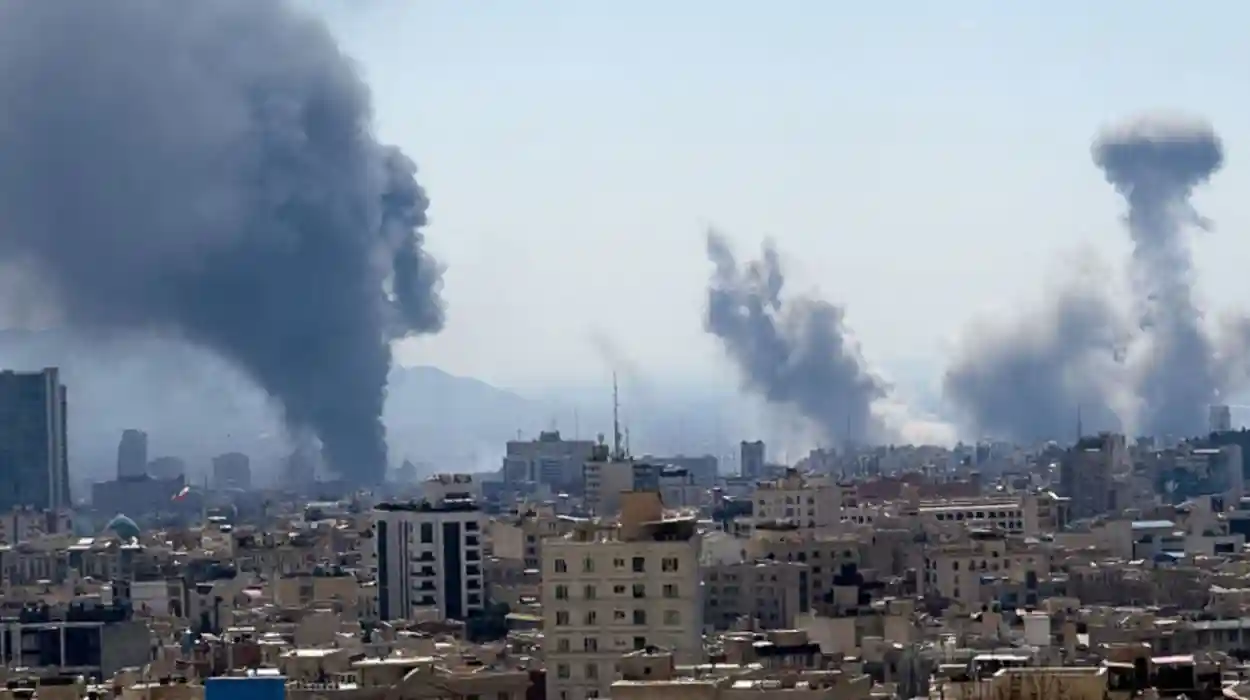
Air defense systems across parts of the Gulf region were activated following reports of incoming missiles over the airspace of United Arab Emirates and Qatar. Officials in both countries confirmed that defensive measures were deployed in response to aerial threats, with interception systems successfully engaging the projectiles. Authorities emphasized that the situation was managed swiftly and that monitoring remains ongoing as a precaution.
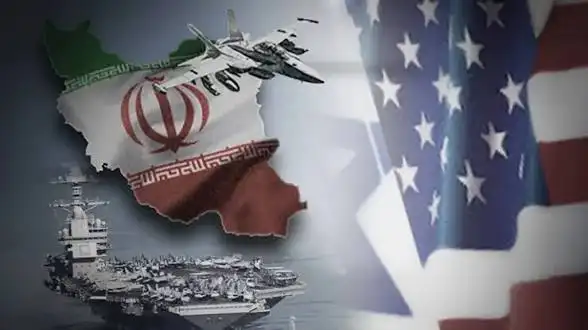
Regional security sources indicated that the missiles were linked to broader military operations involving Iran, though official confirmations on specific origins remain limited. The use of advanced interception technology reflects a growing emphasis on air defense readiness among Gulf nations, particularly as tensions persist across multiple fronts. Analysts note that such systems are designed to detect and neutralize threats before they can reach populated or strategic areas.
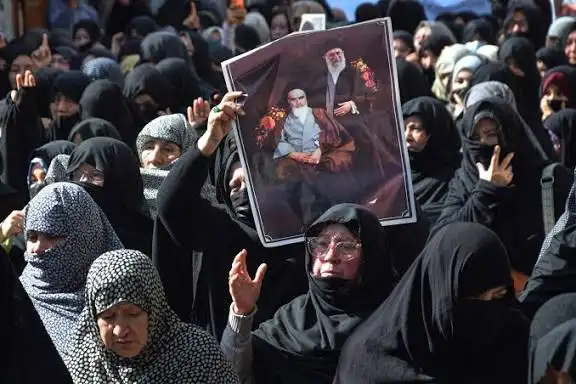
The activation of defense systems led to temporary airspace adjustments, with aviation authorities issuing advisories to ensure civilian safety. While no major disruptions were reported in commercial travel, airlines and logistics operators have been closely monitoring developments. Aviation experts suggest that even brief alerts can have ripple effects across regional flight scheduling, especially in heavily trafficked corridors.
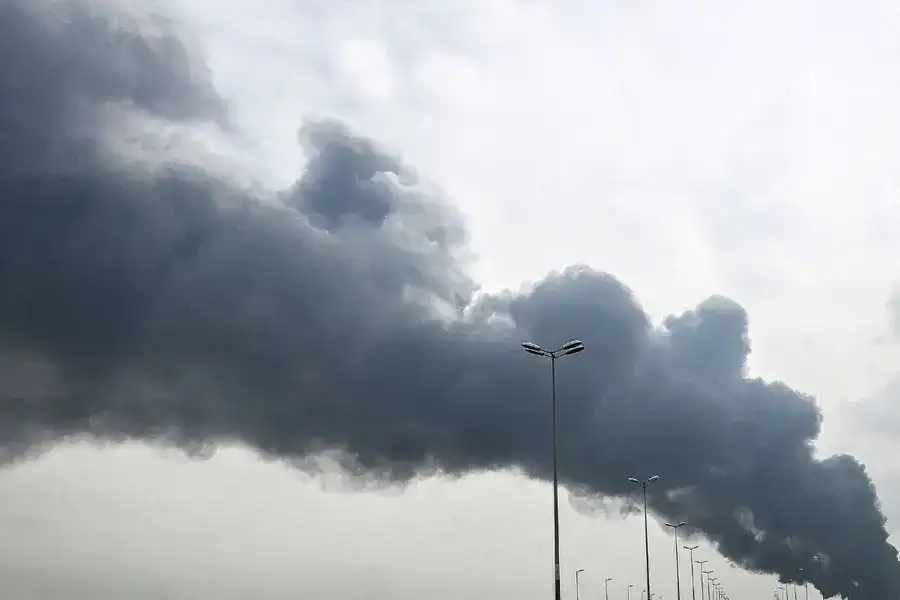
Governments in the region have sought to reassure the public by highlighting the effectiveness of their defensive infrastructure. Statements released by officials stressed preparedness and coordination among security agencies, aiming to maintain confidence during a period of heightened alert. At the same time, emergency services were placed on standby to respond to any potential fallout from intercepted debris or related incidents.
International observers have called for restraint and de escalation, noting that continued military activity over critical airspace increases the risk of unintended consequences. Diplomatic efforts are ongoing as global stakeholders seek to reduce tensions and prevent further escalation. As the situation develops, the focus remains on maintaining security while minimizing disruption to civilian life and regional ility.
















Leave a comment